
 By admin
Introduction
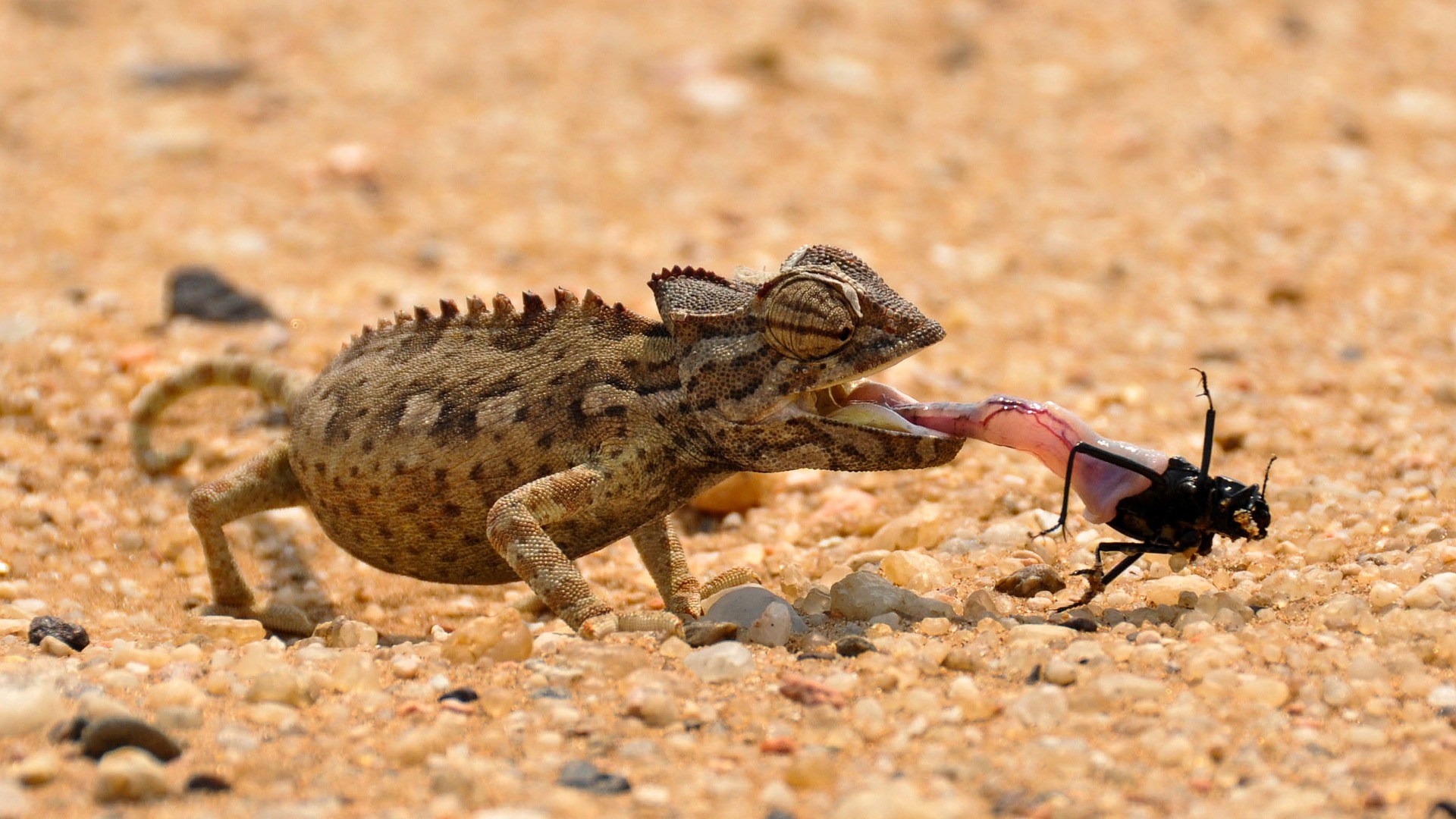
Chameleons have fascinated humans for centuries with their ability to seemingly blend into their surroundings by changing color. But how exactly do they perform this biological magic? And is it true that chameleons always match the color of their environment?
This article dives into the modern scientific understanding of color change in chameleons. We’ll explore the biological mechanisms behind this phenomenon, examine the myths versus reality, and look at the evolutionary reasons behind this remarkable adaptation. From nanocrystals under the skin to mood indicators, the chameleon’s color-shifting skin is more complex and purposeful than many believe.
The Biology of Chameleon Color Change
Skin Structure: More Than Just Pigment
Chameleons don’t change color through pigments alone. Unlike animals that use pigment cells (chromatophores) to display color, chameleons utilize nanocrystals in a layer of skin called iridophores. These microscopic crystals reflect light in different ways depending on their spacing.
When a chameleon wants to change color, it alters the arrangement of these nanocrystals by manipulating the tension in its skin. This structural change causes different wavelengths of light to be reflected, producing visible shifts in color.
Key Skin Layers Involved:
-
Epidermis – the outer skin layer.
-
Superficial Iridophores – contain nanocrystals responsible for bright, color-reflecting properties.
-
Deep Iridophores – reflect near-infrared light, helping with thermoregulation.
-
Melanophores – contain melanin and affect the darkness or lightness of color by blocking or allowing light to reach the iridophores.
Not All Chameleons Change Colors Equally
While the panther chameleon (Furcifer pardalis) is famous for vibrant changes—switching between turquoise, green, red, yellow, and more—other species like the brown leaf chameleon (Brookesia) show far more limited shifts. Each species has evolved its range of hues depending on its habitat and evolutionary needs.
Myths vs. Reality: Do Chameleons Always Match Their Surroundings?
The Myth: Chameleons Camouflage to Match Any Background
One of the biggest misconceptions is that chameleons instantly match any surface they sit on—like a green leaf or a red brick wall. While some camouflage does occur, it’s not as seamless or universal as commonly believed.
The Reality: Color Change is Primarily About Communication
In truth, color change serves several functions:
-
Social signaling: Males display bright colors to attract mates or intimidate rivals.
-
Mood and stress indicators: A frightened or threatened chameleon may darken or lighten.
-
Thermoregulation: Chameleons may become darker to absorb heat or lighter to reflect sunlight.
-
Environmental blending: Though limited, they can adapt tones to match common surroundings in their habitat.
Thus, while camouflage is part of the equation, emotional and physiological factors play a far bigger role.
The Science Behind Color Changes: A Closer Look
Nanocrystals and Structural Coloration
Chameleons possess a unique system of photonic crystals within their iridophores. These nanocrystals are arranged in a lattice that reflects light differently depending on spacing and alignment.
How It Works:
-
Relaxed state: Crystals are tightly packed, reflecting shorter wavelengths like blue.
-
Tense state: Crystals are spaced farther apart, reflecting longer wavelengths like yellow and red.
This allows a chameleon to go from a calm blue-green state to an aggressive red-yellow appearance by simply altering the spacing of the crystals.
Hormonal and Neural Influence
Color change is controlled by both hormonal and nervous systems. For instance:
-
Adrenaline levels spike during confrontation or stress, triggering darker shades.
-
Melanin distribution changes with mood, fear, or temperature.
The entire process is rapid, often happening in seconds.
Why Do Chameleons Change Color?
1. Communication and Social Behavior
Color change is essential to territorial disputes and mating rituals. Males flaunt brighter, more vivid colors to:
-
Attract females.
-
Warn off rival males.
-
Display dominance or submission.
Females may also change color to show receptiveness or rejection during mating periods.
2. Thermoregulation
Chameleons are ectothermic (cold-blooded), so they rely on external heat sources to regulate body temperature. Darker colors absorb more heat, helping them warm up quickly in the morning, while lighter colors reflect sunlight to cool down during hotter periods.
3. Camouflage and Predation
Although not the primary function, blending in with the environment helps some chameleons avoid predators. Particularly in forests or foliage, small shifts in hue can make a significant difference in visibility to both prey and predators.
Modern Research and Technological Inspiration
Bioinspired Technologies
The unique structural coloration of chameleon skin has inspired researchers to develop adaptive camouflage materials, color-changing fabrics, and even smart skins for robots.
Scientists have replicated the nanocrystal structures to create synthetic materials that mimic these dynamic color changes, paving the way for military camouflage and responsive wearable tech.
Genetic Studies and Conservation
Genomic studies of chameleons provide insight into how these remarkable traits evolved. Scientists are also using this knowledge to help conserve endangered species, understanding their habitat needs and behaviors more deeply.
Evolutionary Origins of Color Change
From Forests to Fame
Chameleons first evolved over 100 million years ago, likely in the forests of Madagascar and Africa. The development of color change gave them an adaptive edge in diverse environments, allowing:
-
Better mate selection.
-
Enhanced survival via heat regulation.
-
A method of non-verbal communication in dense foliage where visibility is often obstructed.
Conclusion
Chameleons are not just biological curiosities—they are marvels of evolutionary engineering. Far from simply mimicking their backgrounds, chameleons change color for reasons rooted in communication, physiology, and environmental interaction. By manipulating nanocrystal structures in their skin, they create vivid, dynamic displays that serve specific biological functions.
Understanding this process sheds light not only on chameleons themselves but also on potential breakthroughs in materials science and adaptive technologies. As researchers continue to uncover the intricacies of chameleon biology, one thing is clear: these color-shifting reptiles are more complex—and more fascinating—than we ever imagined.