
 By admin
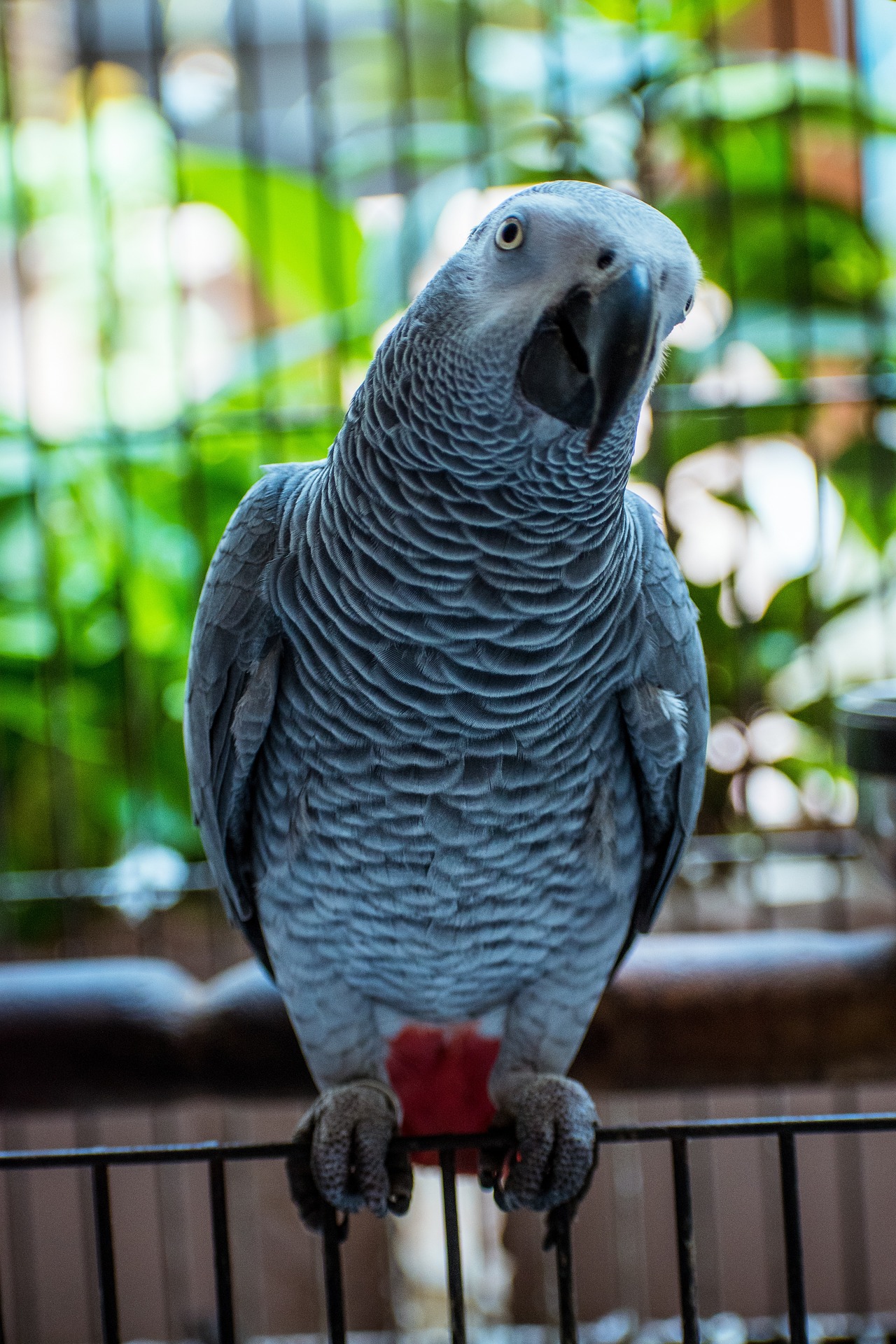
The African Grey Parrot: Nature’s Most Intelligent Avian Companion
Introduction
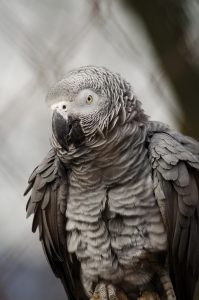
Regarded as one of the most intelligent bird species on Earth, the African Grey Parrot has captivated bird lovers, scientists, and pet owners for centuries. Known for its exceptional mimicking ability, strong social behavior, and complex emotional intelligence, this parrot is not just a pet—it’s a lifelong companion. With an impressive lifespan, striking appearance, and the ability to understand human speech and context, the African Grey continues to be one of the most sought-after exotic birds in the world.
Whether you’re an avian enthusiast considering a new addition to your family or simply fascinated by the intelligence of parrots, understanding the African Grey’s traits, care needs, and behavior is essential. In this comprehensive guide, we delve into everything you need to know—from its history and scientific classification to care tips, diet, and the legal aspects of ownership.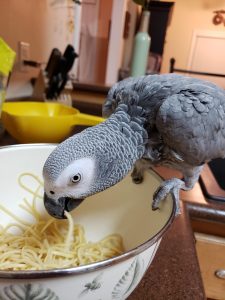
The Legacy and Origins of the African Grey Parrot
A Rich History of Companionship
The African Grey Parrot has a long-standing relationship with humans that dates back thousands of years. Ancient civilizations like the Greeks and Romans prized these parrots not just for their beauty but for their unique ability to imitate human speech. These birds were often kept aboard ships by sailors, who valued their companionship on long journeys.
Scientific Classification
-
Scientific Name: Psittacus erithacus
-
Family: Psittacidae
-
Natural Habitat: Central and West African rainforests
Today, African Greys are categorized into two subspecies, both native to the dense rainforests of Africa but distinguishable by their physical traits and distribution.
Subspecies: Congo vs. Timneh African Grey
Congo African Grey
-
Size: Larger of the two subspecies, reaching up to 14 inches (36 cm)
-
Appearance: Light gray plumage with a vivid red tail and black beak
-
Personality: Outgoing and vocal
Timneh African Grey
-
Size: Smaller, usually around 10 inches (25 cm)
-
Appearance: Darker gray feathers, maroon tail, and a horn-colored beak
-
Personality: More reserved but equally intelligent
While they differ slightly in size and appearance, both subspecies share similar intelligence levels and care requirements.
Exceptional Intelligence and Cognitive Abilities
Mimicry and Language Comprehension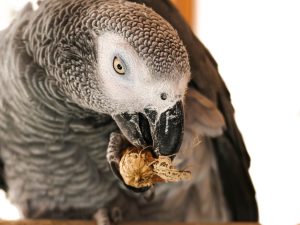
The African Grey Parrot is often compared to a 5-year-old child in terms of cognitive ability. Renowned for its capacity to mimic human speech and understand meanings, some African Greys have learned hundreds of words. One famous example is Alex the Parrot, whose groundbreaking work with scientist Dr. Irene Pepperberg proved that parrots could comprehend abstract concepts like color, number, and even emotion.
Emotional Intelligence and Problem-Solving
In addition to mimicry, African Greys demonstrate emotional depth and high-level problem-solving abilities. They can:
-
Understand object permanence
-
Solve puzzles
-
Use tools in experimental settings
-
Sense and react to their owner’s mood
These traits make them not only entertaining but also deeply bonding companions.
Habitat and Environment
Natural Habitat in the Wild
African Greys originate from countries such as:
-
Ghana
-
Cameroon
-
Ivory Coast
-
The Democratic Republic of Congo
They thrive in dense tropical forests, where they feed on a variety of seeds, nuts, fruits, and vegetation.
Legal Protection and Trade Regulation
Due to habitat loss and illegal poaching, wild African Greys have seen a dramatic decline. As a result:
-
The Convention on International Trade in Endangered Species (CITES) lists them under Appendix I, banning wild trade.
-
Only captive-bred African Greys can be legally sold and owned.
This regulation protects both the species and buyers from unethical breeders and wildlife traffickers.
Proper Care and Living Conditions
Cage Requirements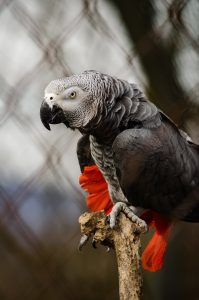
Because of their size and activity level, African Greys need:
-
Minimum cage size: 36″x24″x48″ (LxWxH)
-
Horizontal bars for climbing
-
Plenty of space for toys and movement
-
Time outside the cage daily for flight and interaction
Social Needs
African Greys are highly social. Without regular interaction, they can develop behavioral problems like:
-
Feather plucking
-
Aggression
-
Anxiety and depression
Place their cage in a room with regular human activity. They thrive on conversation, music, and even television. For working owners, it’s often advised to have another parrot or arrange daily engagement time.
Nutrition and Feeding
Balanced Diet Essentials
In the wild, African Greys eat a diverse diet. In captivity, a balanced diet should include:
-
High-quality pellets (60-70%): Formulated to provide all essential vitamins and minerals
-
Fresh fruits and vegetables (20-30%): Apples, carrots, kale, sweet potatoes, broccoli
-
Healthy nuts and seeds (sparingly): Almonds, walnuts, flax seeds
-
Occasional dairy like cheese (in moderation, as a calcium source)
Avoid:
-
Chocolate
-
Avocado
-
Caffeine
-
Alcohol
-
Salty or fatty human food
Clean, fresh water should be available at all times.
Personality and Behavior
Playful, Intelligent, and Sometimes Moody
African Grey Parrots are often described as the “Einstein of the bird world.” However, their intelligence can lead to challenges:
-
Easily bored without stimulation
-
Strong personalities, sometimes stubborn or moody
-
Need for routine—sudden changes in environment or schedule can stress them
They thrive on:
-
Daily training and word games
-
Rotating toys
-
Music, mirror play, and problem-solving tasks
Interactions with Children and Other Pets
While affectionate and loving, African Greys are not always ideal for families with young children due to their sharp beaks and claws. They may bite if startled or mishandled. Always supervise interactions and teach children respectful behavior.
Health and Longevity
Common Health Issues
Like all pets, African Greys are prone to certain health conditions:
-
Calcium deficiency
-
Psittacosis (parrot fever)
-
Feather Destructive Behavior (FDB)
-
Obesity from lack of exercise
Routine vet visits with an avian specialist are critical. Owners should be aware of early signs of illness, such as:
-
Drooping wings
-
Reduced appetite
-
Unusual vocalizations or silence
-
Discharge from eyes or beak
Life Expectancy
With proper care, African Grey Parrots can live 40–60 years in captivity. This makes them a lifelong commitment, often outliving their first owners.
Training and Bonding
Building Trust and Teaching Words
Patience is key. Early bonding should focus on:
-
Offering treats from your hand
-
Gentle speech and eye contact
-
Consistent training routines
African Greys respond best to positive reinforcement. Teaching them to talk is fun, but it’s also crucial for bonding. Start with simple, repeated words like:
-
“Hello”
-
Their name
-
“Good morning” or “I love you”
Avoid shouting or punishing, as this can damage trust and lead to fear-based behaviors.
Conclusion
The African Grey Parrot is more than a pet—it’s a highly intelligent, emotionally complex, and deeply loyal companion. With its incredible ability to mimic human speech and understand social cues, it provides unmatched interaction for those willing to invest the time and care required. While not suitable for every household, especially those with small children or limited time, the African Grey rewards its owner with decades of companionship, laughter, and meaningful bonding.
If you’re considering adopting one, remember: owning an African Grey is not a casual decision but a long-term relationship. With the right environment, nutrition, and mental stimulation, these magnificent birds can flourish in a loving home.
A Noble Hunter with Timeless Grace