
 By admin
Introduction
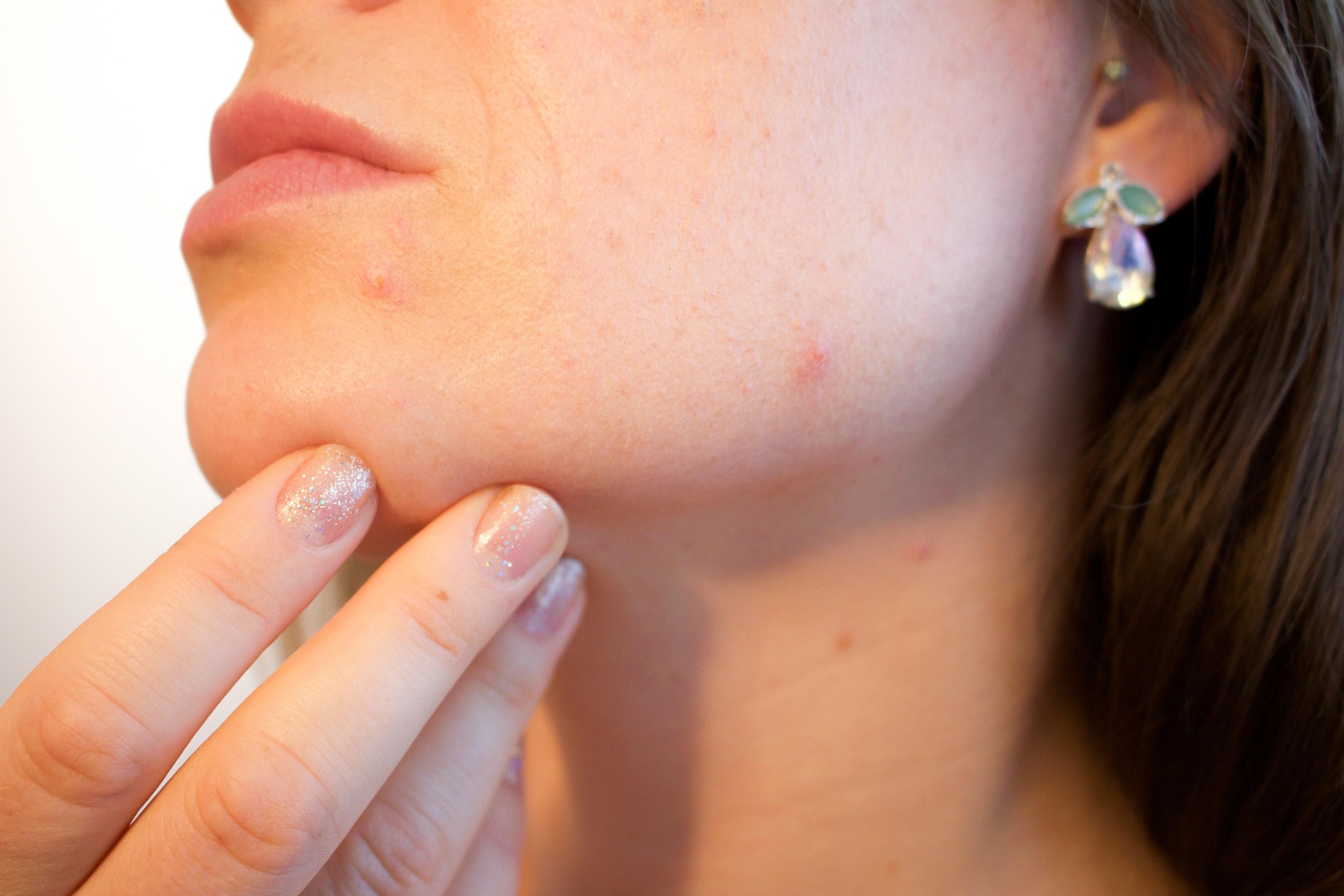
Acne is one of the most prevalent skin conditions worldwide, affecting millions across all age groups. Despite its commonality, acne is still widely misunderstood. Misinformation surrounding its causes, treatments, and emotional impact often leads individuals to adopt ineffective skincare routines or feel unnecessary shame. In this article, we aim to clear up the most persistent myths and misconceptions about acne, offer insights based on current dermatological research, and empower you with actionable knowledge to better manage your skin health.
Whether you’re a teenager facing hormonal changes or an adult grappling with persistent breakouts, understanding the real causes of acne is the first step to achieving clear, healthy skin.
Understanding Acne: What It Really Is
Defining Acne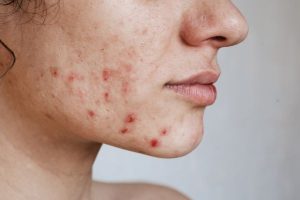
Acne is a skin condition that occurs when hair follicles become clogged with oil (sebum) and dead skin cells. It often manifests as blackheads, whiteheads, pimples, or deeper cystic lesions on areas like the face, neck, chest, back, and shoulders.
The Science Behind Breakouts
At its core, acne is driven by a combination of:
-
Excess oil production
-
Clogged pores
-
Bacteria (particularly Propionibacterium acnes)
-
Hormonal changes
-
Inflammation
The presence of one or more of these factors can lead to the development of acne, which may range from mild to severe in form.
Common Acne Misconceptions Debunked
1. “Only Teenagers Get Acne”
One of the most widespread myths is that acne is a teenage problem. While it’s true that acne commonly emerges during puberty due to hormonal fluctuations, it’s not exclusive to adolescents. Adult acne is a significant issue, particularly among women, due to factors like:
-
Menstrual cycles
-
Pregnancy
-
Polycystic ovary syndrome (PCOS)
-
Stress
-
Hormonal birth control changes
Adult Acne Statistics
According to the American Academy of Dermatology, over 15% of adult women experience acne past the age of 25. It can persist into one’s 30s, 40s, and even 50s.
2. “Acne is Caused by Dirty Skin”
Many people believe acne results from poor hygiene. While good skincare is essential, acne is not caused by dirt alone. Over-washing your face or using harsh exfoliants can actually irritate the skin and worsen acne. Instead, dermatologists recommend:
-
Using gentle, non-comedogenic cleansers
-
Avoiding abrasive scrubs
-
Washing the face no more than twice daily
3. “Stress Causes Acne”
This misconception contains a grain of truth. Stress doesn’t directly cause acne, but it can worsen existing conditions. Stress triggers the release of cortisol and other hormones, which can lead to increased oil production and inflammation.
Managing Stress for Skin Health
-
Practice mindfulness or meditation
-
Engage in regular physical activity
-
Maintain a consistent sleep schedule
4. “Eating Greasy Foods Causes Acne”
Greasy foods like pizza or french fries often take the blame for acne, but current research shows little evidence linking diet and acne directly—at least when it comes to greasy foods. That said, certain dietary choices can influence breakouts.
Food and Acne: What to Watch For
-
High Glycemic Index Foods: Sugary and processed foods may cause blood sugar spikes that contribute to breakouts.
-
Dairy Products: Some studies suggest a link between dairy—particularly skim milk—and acne.
-
Omega-3 Deficiency: A lack of anti-inflammatory omega-3 fatty acids may exacerbate inflammation in the skin.
A healthy, balanced diet rich in whole foods, antioxidants, and water supports overall skin health.
5. “Popping Pimples Helps Them Heal Faster”
It might be tempting, but popping pimples can lead to scarring and increased inflammation. When you squeeze a pimple, you risk pushing bacteria and debris deeper into the skin, prolonging healing time and potentially causing permanent marks.
Better Alternatives
-
Use topical treatments containing benzoyl peroxide or salicylic acid
-
Apply warm compresses to cystic acne
-
Consult a dermatologist for professional extractions if needed
6. “Acne is Just a Cosmetic Issue”
Acne isn’t only skin-deep. It can severely impact mental health, particularly in young adults. Studies show that people with acne are more likely to experience:
-
Low self-esteem
-
Social withdrawal
-
Depression and anxiety
Emotional Support Matters
-
Seek support groups or counseling
-
Talk to a dermatologist about psychological impacts
-
Avoid internalizing harmful beauty standards
Real Causes of Acne: What You Need to Know
Hormonal Fluctuations
Hormonal imbalances—especially androgens—stimulate sebaceous glands, leading to excess oil and clogged pores. These fluctuations are common during:
-
Puberty
-
Menstruation
-
Pregnancy
-
Menopause
Genetics
If your parents had acne, you’re more likely to experience it too. Genetics can influence skin type, oil production, and inflammatory responses.
Medications
Certain medications, such as corticosteroids, lithium, or barbiturates, can trigger or worsen acne.
Skincare and Haircare Products
Using comedogenic (pore-clogging) cosmetics or hair products can lead to breakouts. Always look for labels marked “non-comedogenic” or “oil-free.”
Environmental Factors
Pollution, humidity, and sweat can clog pores and increase the risk of acne. Regular cleansing and protective skincare help mitigate these effects.
Effective Acne Treatments: Modern Solutions That Work
Topical Treatments
-
Benzoyl Peroxide: Kills acne-causing bacteria
-
Salicylic Acid: Exfoliates and unclogs pores
-
Retinoids: Promote cell turnover and prevent blockages
-
Azelaic Acid: Reduces inflammation and bacterial growth
Oral Medications
-
Antibiotics: Reduce inflammation and bacteria
-
Hormonal Treatments: Birth control pills or spironolactone for hormonal acne
-
Isotretinoin (Accutane): For severe or cystic acne cases
Professional Treatments
-
Chemical Peels
-
Laser Therapy
-
Light-Based Therapies
-
Microneedling
Each of these treatments should be personalized under the guidance of a dermatologist.
Prevention Tips: Healthy Habits for Clear Skin
-
Stick to a skincare routine with mild cleansers and non-comedogenic moisturizers.
-
Avoid touching your face—hands carry oils and bacteria.
-
Wash pillowcases and towels regularly to prevent bacteria buildup.
-
Stay hydrated to support overall skin health.
-
Don’t skip sunscreen—opt for oil-free, acne-safe options.
Conclusion
Acne is a complex skin condition influenced by multiple internal and external factors. While common myths about acne persist, relying on accurate, evidence-based information is essential for effective treatment and prevention. Teenagers aren’t the only ones affected, greasy food isn’t the enemy, and acne certainly isn’t just about appearances—it has emotional consequences that deserve attention and care.
Empower yourself with knowledge, choose gentle skincare practices, and seek professional help when needed. By clearing the confusion and debunking the myths, you’re already on the right path to clearer, healthier skin.