
 By admin

Helping Your Cat Stay Healthy: A Modern Guide for Cat Owners
Introduction
Cats are beloved companions, known for their independence, curiosity, and charm. But beneath their playful nature lies a need for diligent care and attention. Keeping your cat healthy goes beyond offering food and water—it requires an understanding of preventive healthcare, behavior monitoring, nutrition, and early signs of illness. In this comprehensive guide, we will explore how to maintain your cat’s health through modern practices and expert-backed advice, ensuring your feline friend lives a long, happy, and vibrant life.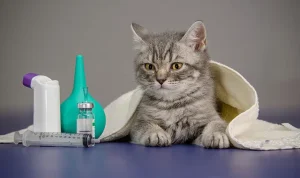
Essential Foundations of Feline Health
Providing Proper Shelter and Environment
A secure and clean environment is the first line of defense in promoting feline health. Whether your cat lives indoors or has supervised outdoor access, it’s crucial to offer:
-
Safe resting areas: Cats need cozy, quiet places to sleep and relax.
-
Clean litter boxes: Regular cleaning prevents infections and encourages good bathroom habits.
-
Enrichment: Toys, scratching posts, and climbing trees reduce stress and support mental health.
Balanced Nutrition: Fueling a Healthy Life
Nutrition is the cornerstone of a cat’s well-being. High-quality, balanced cat food supports their immune system, coat health, and energy levels.
Premium vs. Budget Cat Food
While budget-friendly options may save money short-term, premium cat foods are:
-
Formulated with higher-quality proteins.
-
Free from artificial fillers and preservatives.
-
Tailored to specific life stages (kitten, adult, senior).
Tip: Consult your vet to find the best diet based on your cat’s age, weight, and health needs.
Hydration Matters
Cats are naturally low water drinkers, especially those on dry food diets. Encourage hydration by:
-
Offering multiple water bowls around the house.
-
Using pet fountains to make drinking more appealing.
-
Incorporating wet food into meals.
Understanding and Identifying Common Cat Illnesses
Even with optimal care, cats can get sick. Early detection is key to effective treatment and recovery.
Recognizing Signs of Illness
Pay close attention to these behavioral and physical signs:
-
Lethargy: A noticeable drop in energy or interest in play.
-
Appetite loss: Refusal to eat for over 24 hours.
-
Changes in coat: Dullness, patchiness, or excessive shedding.
-
Isolation or aggression: Sudden shifts in temperament.
Digestive Issues: Vomiting and Diarrhea
Occasional vomiting, especially due to hairballs, is normal. However, persistent vomiting or diarrhea may indicate:
-
Infections
-
Dietary intolerance
-
Parasites
-
Organ dysfunction
Action Step: If symptoms persist beyond 24 hours, schedule a vet visit immediately.
Coughing in Cats
Coughing can be a symptom of:
-
Hairballs
-
Asthma
-
Respiratory infections
-
Allergies

Persistent coughing warrants a professional evaluation to rule out serious respiratory issues.
Preventive Health: Vaccines and Regular Vet Visits
Preventive care is the most effective way to protect your cat against dangerous and sometimes fatal diseases.
Core Vaccinations for Cats
Veterinarians recommend core vaccines for all cats, including:
-
Rabies: Legally required in most areas; protects against a fatal viral disease.
-
Feline Panleukopenia (Distemper): Highly contagious and potentially deadly.
-
Feline Herpesvirus & Calicivirus: Responsible for upper respiratory infections.
These vaccines are typically administered in a series during kittenhood and followed by boosters throughout life.
Feline Leukemia Virus (FeLV)
FeLV is a serious viral infection that weakens the immune system and is often fatal. Although it’s not transmittable to humans, it spreads quickly between cats through saliva, blood, or shared food bowls.
-
Preventive Measures:
-
Test new cats before introducing them to others.
-
Administer the FeLV vaccine to at-risk cats (especially outdoor cats).
-
Parasite Prevention: The Hidden Threat
Common Internal Parasites
Worms are common in cats and may include:
-
Roundworms
-
Hookworms
-
Tapeworms

These parasites can come from fleas, infected prey, or contaminated environments.
Symptoms of Worm Infestation
-
Dull or thinning coat
-
Bloated abdomen
-
Weight loss
-
Visible worms in stool or around the anus
Natural and Medical Prevention
While some believe in natural remedies like garlic (not recommended due to potential toxicity), modern dewormers prescribed by veterinarians are safe and effective.
Flea and Tick Control
External parasites like fleas and ticks cause itching, infections, and can transmit diseases.
-
Prevention Options:
-
Topical treatments (e.g., Revolution, Frontline)
-
Oral medications
-
Regular grooming and flea combing
-
Routine Veterinary Care and Health Screenings
Annual Checkups
Even healthy cats should see the vet at least once a year. These visits typically include:
-
Physical exams
-
Dental checks
-
Weight assessments
-
Vaccination updates
Senior Cat Care
Cats over seven years old require more frequent checkups, including:
-
Blood tests to detect early signs of kidney or liver disease
-
Arthritis evaluations
-
Dietary adjustments for aging metabolism
Dental Health: The Overlooked Factor
Dental disease affects nearly 70% of cats by age three. Common symptoms include:
-
Bad breath
-
Drooling
-
Difficulty eating
Prevention Tips:
-
Brush your cat’s teeth weekly with pet-safe toothpaste.
-
Offer dental treats and toys.
-
Schedule professional cleanings if recommended.
Indoor vs. Outdoor Cats: Managing Risk
Cats that roam outdoors are exposed to more hazards:
-
Traffic
-
Wild animals
-
Parasites
-
Infectious diseases
Solutions:
-
Keep your cat indoors or in a secured “catio.”
-
Supervise outdoor time with a harness and leash.
-
Ensure regular parasite prevention.
Creating a Lifelong Health Plan
Developing a long-term health strategy helps you anticipate and manage your cat’s needs as they grow.
Steps to Build a Cat Health Plan
-
Establish a Relationship with a Trusted Vet
-
Keep a Vaccination and Health Record
-
Observe Daily Behavior for Changes
-
Plan for Emergencies with a Pet Savings Fund
-
Invest in Pet Insurance for Unexpected Costs
Conclusion
Caring for your cat’s health is both a responsibility and a rewarding journey. With the right combination of nutrition, preventive care, and attention to behavioral changes, you can greatly extend your cat’s lifespan and quality of life. Remember, a healthy cat is a happy cat. Prioritizing their well-being today ensures years of companionship and joy ahead.
A Modern Approach to Dog Vaccination