
 By admin
Introduction
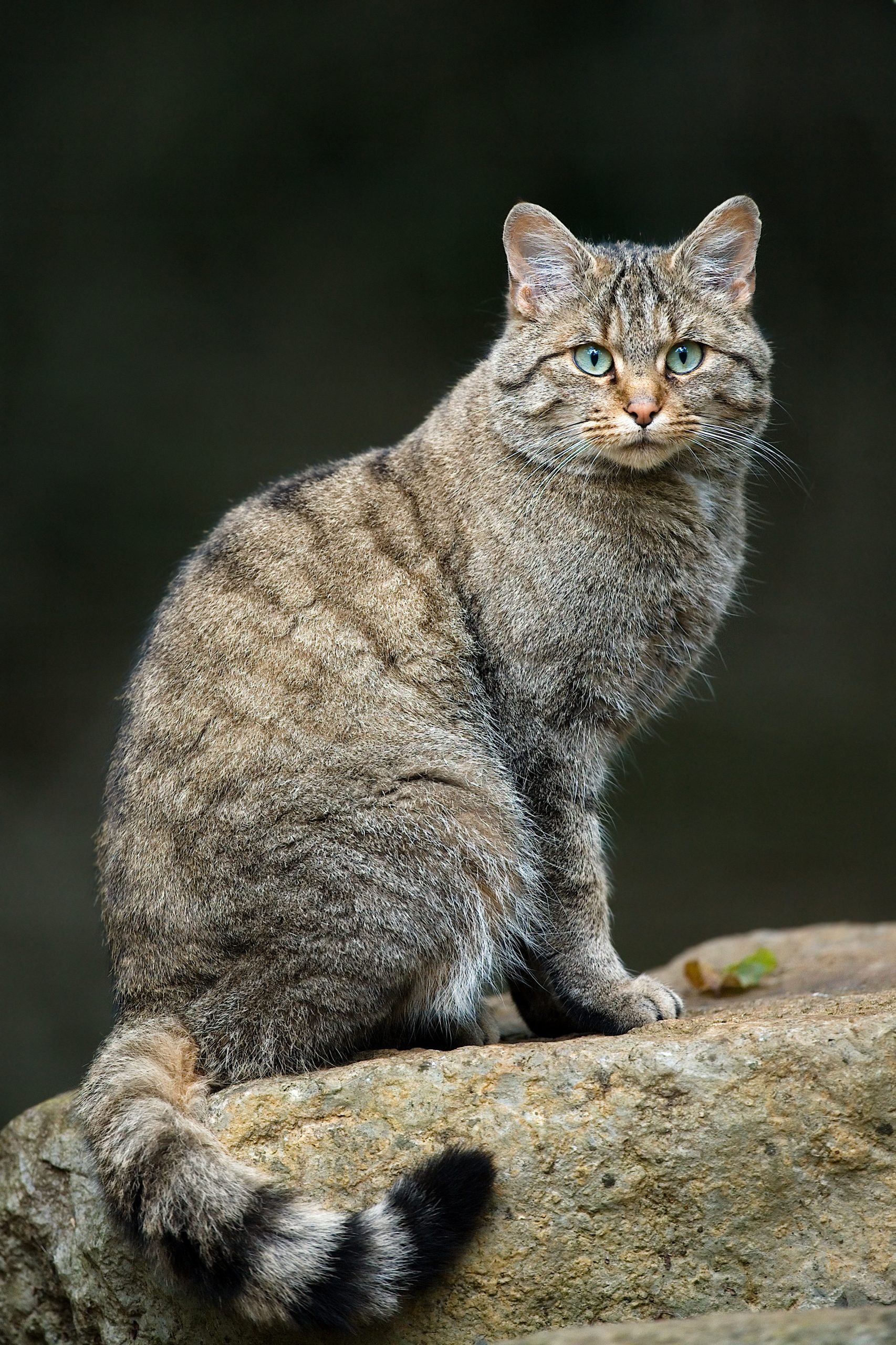
Cats have captivated human interest for thousands of years, whether prowling the wilderness or curling up on a cozy couch. Wild cats and domestic cats may seem like distant relatives, but genetically, they share a surprisingly close relationship. Understanding the similarities and differences between these two groups provides insight into feline behavior, evolution, and the role cats play in human society and the natural world. In this comprehensive guide, we will explore the key distinctions and shared traits of wild and domestic cats, from their physical characteristics to their behavior, habitats, and roles in the ecosystem.
1. The Origins of Cats: Evolution and Domestication
1.1 Ancestral Lineage
All cats, both wild and domestic, belong to the family Felidae, which evolved around 10 to 15 million years ago. Domestic cats (Felis catus) share a common ancestor with the African wildcat (Felis lybica), a species that still exists today. Genetic studies suggest that domestication began around 9,000 years ago in the Near East, particularly in regions like Mesopotamia and ancient Egypt.
1.2 Domestication Process
Unlike dogs, cats were not actively domesticated through breeding. Instead, they underwent a process of “self-domestication.” Early human agricultural communities attracted rodents, which in turn attracted wildcats. The friendlier and less aggressive cats stayed close to human settlements, gradually becoming companions and earning a place in human homes.
2. Physical Characteristics
2.1 Size and Strength
Wild cats vary significantly in size, from the small sand cat (Felis margarita) weighing just a few pounds to the majestic Siberian tiger (Panthera tigris altaica) weighing over 600 pounds. Domestic cats, on the other hand, typically weigh between 8 to 15 pounds and are bred for companionship, not survival.
2.2 Fur and Coloration
Wild cats usually have camouflaged fur—spots, stripes, or muted colors—to blend into their natural environment. Domestic cats come in a wide array of coat patterns and colors due to selective breeding. Breeds like the Bengal cat are even bred to resemble their wild ancestors.
2.3 Sensory Adaptations
Both wild and domestic cats possess excellent night vision, acute hearing, and a strong sense of smell. However, wild cats often have more pronounced adaptations to suit their hunting lifestyles, such as larger eyes for better night vision and stronger muscle structures for ambushing prey.
3. Habitat and Distribution
3.1 Wild Cat Habitats
Wild cats are distributed across the globe, inhabiting diverse environments such as rainforests, deserts, mountains, and grasslands. Each species has adapted to its specific environment. For example, the snow leopard thrives in cold mountain ranges, while the caracal excels in arid deserts.
3.2 Domestic Cat Environments
Domestic cats primarily live in human dwellings, urban environments, or rural settings. While some are strictly indoor pets, others roam freely outdoors, sometimes forming feral colonies. Their survival heavily depends on human support, even in feral conditions.
4. Behavioral Differences
4.1 Social Structure
Wild cats are typically solitary, with few exceptions like lions that live in prides. Domestic cats, though often seen as aloof, can be quite social—especially if raised in human households or around other cats. Feral cats may form loose colonies based on food availability.
4.2 Hunting and Feeding
Wild cats hunt to survive and have developed specialized skills to catch their prey. Their diet includes mammals, birds, and reptiles depending on the species and habitat. Domestic cats, even when well-fed, retain their hunting instincts and may catch rodents or birds purely out of instinct.
4.3 Communication
Both wild and domestic cats use body language, vocalizations, and scent markings to communicate. However, domestic cats have developed unique meows specifically to communicate with humans—something rarely observed in wild cats.
5. Reproduction and Lifespan
5.1 Reproductive Habits
Wild cats typically breed seasonally and raise their young in isolation. Domestic cats can breed year-round in favorable environments and often produce multiple litters per year, especially in areas with uncontrolled populations.
5.2 Lifespan
In the wild, cats face numerous threats—predators, disease, environmental stress—that limit their lifespan to 10–12 years or less. Domestic cats, with proper care, often live 15–20 years, with some reaching their early twenties.
6. Human Interaction and Cultural Significance
6.1 Role in Human Culture
Wild cats have often been symbols of strength, independence, and mystery. From the lion statues of ancient Mesopotamia to the tiger deities of Asian mythology, wild cats hold significant cultural value. Domestic cats, especially in ancient Egypt, were revered and even mummified, showing their deep connection with humans.
6.2 Conservation and Welfare
Many wild cat species are endangered due to habitat destruction, poaching, and climate change. Conservation efforts are critical to their survival. Domestic cats, while adored by many, also face welfare challenges such as abandonment, overpopulation, and abuse. Spaying, neutering, and responsible pet ownership are crucial to their well-being.
7. Genetic and Behavioral Similarities
7.1 Shared Genetics
Domestic cats and wild cats share over 95% of their DNA. This genetic similarity explains why behaviors such as stalking, pouncing, and grooming are common in both. Even domestic cats exhibit “wild” traits—like territorial marking and ambush play.
7.2 Intelligence and Problem-Solving
Both types of cats are intelligent and resourceful. Wild cats must strategize to hunt and survive, while domestic cats often find creative ways to interact with their environment—like opening doors or solving food puzzles.
8. Ethical Considerations and Responsibilities
8.1 Exotic Pet Trade
Some people are drawn to owning wild cats or hybrids (like Savannah cats). However, these animals often require specialized care and can pose risks to humans and themselves. Ethical concerns include their living conditions, psychological well-being, and legality.
8.2 Coexistence and Environmental Impact
Feral domestic cats can have a devastating impact on wildlife, particularly bird populations. Conservationists urge responsible pet ownership, including keeping cats indoors or in enclosed outdoor spaces (catios). Understanding and respecting the natural role of wild cats is also essential to preserving biodiversity.
Conclusion
Wild cats and domestic cats, though separated by lifestyle and environment, share a common origin and many characteristics. The domesticated house cat is essentially a tamed wildcat, shaped by thousands of years of proximity to humans. By appreciating both their differences and similarities, we gain a deeper understanding of the feline world and our role in supporting the well-being of all cats—whether they roam free in the jungle or nap peacefully on a living room sofa. The relationship between humans and cats continues to evolve, and with knowledge, empathy, and responsible care, we can ensure a harmonious future for both wild and domestic felines.
How Animals Predict Natural Disasters