
 By admin
How Animals Sense Natural Disasters Before They Happen: Exploring Nature’s Early Warning System
Introduction
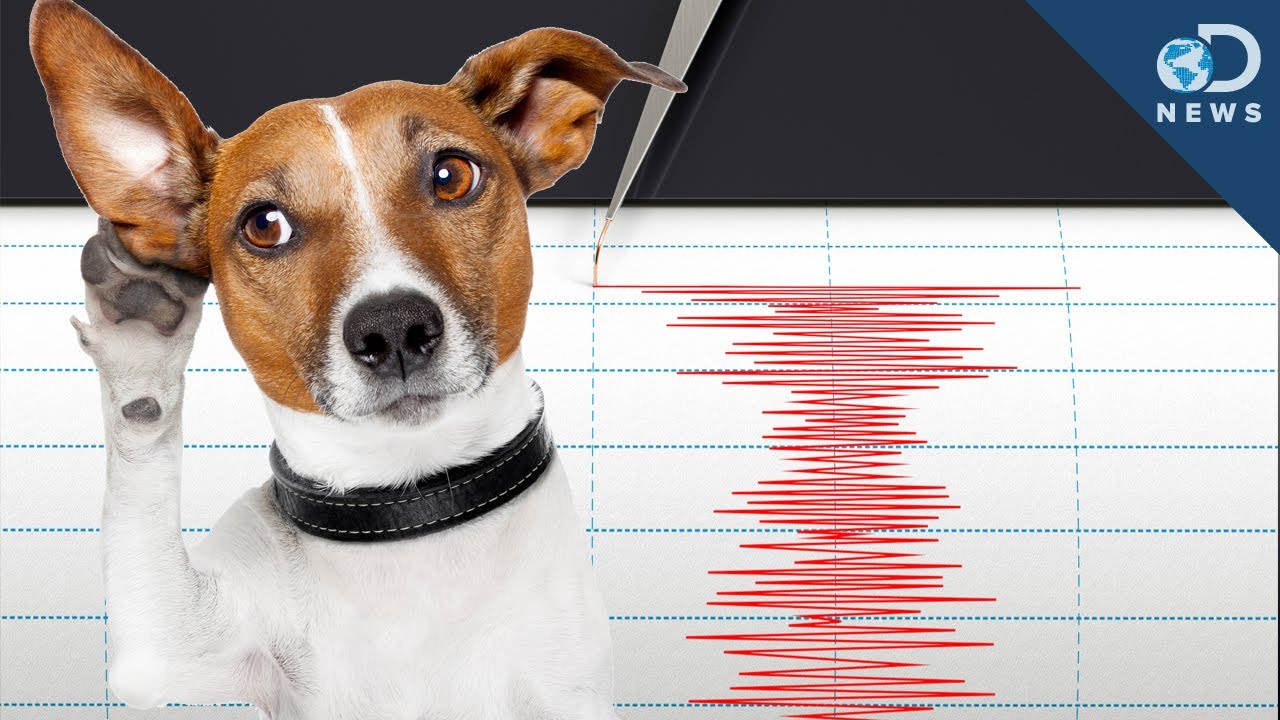
Natural disasters strike with little or no warning for humans, often leaving devastation in their wake. But across the globe, reports have surfaced for centuries about animals behaving strangely in the hours or days before an earthquake, tsunami, volcanic eruption, or storm. From dogs barking uncontrollably to birds flying in chaotic patterns, these observations beg the question: How do animals sense natural disasters before they happen?
This article explores the fascinating and still-evolving science behind animal behavior prior to natural disasters. It examines the sensory capabilities of different species, reviews historical and scientific evidence, and discusses the potential of using animals as a natural early warning system. With strong keywords and current data, this comprehensive exploration is both educational and thought-provoking.
Understanding Animal Senses: More Than Meets the Eye
Superior Sensory Perception
Animals possess heightened senses that surpass human capabilities in several ways:
-
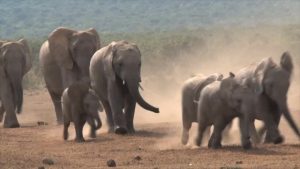
Hearing: Many animals hear frequencies that humans cannot. Elephants, for instance, can detect infrasound—low-frequency sounds that travel long distances through the ground and air, often produced by earthquakes or volcanic rumblings.
-
Smell: Dogs have up to 300 million olfactory receptors, compared to a human’s 5 million. This acute sense of smell allows them to detect subtle changes in the environment, such as gas leaks or chemical changes in the atmosphere.
-
Vibration Sensitivity: Cats, snakes, and some insects are sensitive to ground vibrations. For example, snakes rely on body-ground contact to detect seismic activity before it’s noticeable to humans.
-
Electroreception and Magnetoreception: Some animals, like migratory birds and certain fish, can sense changes in Earth’s magnetic field. Disruptions in this field can precede earthquakes or volcanic eruptions, possibly explaining odd animal behavior.
Instinctive Responses to Environmental Cues
In addition to heightened senses, animals often respond instinctively to changes in temperature, air pressure, or electromagnetic signals. Their survival depends on detecting subtle shifts in the environment, allowing them to escape potential threats long before humans realize danger is near.
Historical Accounts of Animal Warnings
Ancient Reports and Folk Wisdom
Historical texts from various cultures document strange animal behavior before disasters:
-
In 373 BC, Greek historian Thucydides recorded rats, snakes, and weasels fleeing the city of Helike days before a devastating earthquake.
-
In ancient China and Japan, folklore often tied unusual animal movements to imminent natural events, and these beliefs led to close observation of animals as part of early warning practices.
Modern-Day Anecdotes
In recent history, countless eyewitness accounts have described unusual animal actions before catastrophic events:
-
2004 Indian Ocean Tsunami: Villagers in Sri Lanka and Thailand reported elephants retreating inland, flamingos abandoning nesting grounds, and dogs refusing to go outside—all just hours before the tsunami struck.
-
2011 Tōhoku Earthquake in Japan: Surveillance footage showed dogs barking excessively and cats hiding minutes before the quake. Farm animals became agitated without any apparent cause.
-
2023 Turkey-Syria Earthquake: Reports indicated flocks of birds flying erratically and livestock attempting to flee their enclosures in the hours leading up to the event.
Scientific Studies on Animal Disaster Detection
Seismology and Animal Behavior
Research into earthquake precursors has found that some animals, especially rodents and amphibians, exhibit unusual behavior in the days or hours before a quake:
-
A 2010 study by the British Geological Survey documented toads abandoning their breeding grounds before an earthquake in Italy, indicating a possible link between seismic activity and amphibian behavior.
-
In 2022, a team of scientists used GPS and accelerometers to monitor the movement of farm animals near earthquake zones. They discovered that cows, sheep, and dogs exhibited restless behavior up to 20 hours before a quake struck.
Biochemical and Atmospheric Clues
Scientists theorize that animals may sense biochemical changes preceding a disaster:
-
Ionization of air caused by shifting tectonic plates may create ozone or other smells detectable to animals.
-
Groundwater disturbances from seismic activity may alter chemical compositions that are picked up through smell or taste.
These clues, although undetectable to humans, can trigger alarm responses in animals.
Case Studies: Species with Notable Disaster Detection Abilities
Elephants
-
Possess strong low-frequency hearing.
-
Can detect seismic vibrations through their feet.
-
Observed moving to higher ground before tsunamis and storms.
Dogs
-
Detect changes in human behavior and surroundings.
-
Known to bark, whine, or hide before earthquakes or thunderstorms.
Cats
-
Sensitive to vibrations and barometric pressure.
-
Frequently observed hiding or acting nervous before seismic events.
Birds
-
React to magnetic field disruptions.

-
Fly erratically or abandon nests before natural disasters.
Amphibians and Reptiles
-
Extremely sensitive to environmental changes.
-
Frogs and toads may leave water bodies unexpectedly.
-
Snakes sometimes emerge from hibernation before earthquakes.
Can Animals Be Used in Early Warning Systems?
Challenges of Scientific Validation
Despite compelling evidence, using animals as reliable early warning tools faces several challenges:
-
Lack of Standardization: Animal behavior is inconsistent and influenced by many variables, including weather, predators, and food availability.
-
False Alarms: Not every strange behavior results in a disaster, making it hard to separate true warnings from coincidences.
-
Scientific Skepticism: Many researchers hesitate to use anecdotal evidence without large-scale, controlled studies.
Integrating Animal Behavior with Technology
Some researchers propose combining animal monitoring with modern technology:
-
Sensor-equipped collars on livestock can track movements and stress levels.
-
AI and machine learning can analyze patterns and detect anomalies over time.
-
Crowdsourcing animal reports from farmers and pet owners via mobile apps could create a global behavior database.
These tools could enhance disaster prediction, especially in rural or under-monitored areas.
Ethical and Practical Considerations
Using animals for early disaster warning must also address:
-
Animal welfare: Monitoring should not endanger or stress animals.
-
Human reliance: Technology should complement, not replace, scientific methods.
-
Public awareness: Educating people about signs in animal behavior can be life-saving but should be balanced with scientific evidence.
Conclusion
While humans still struggle to accurately predict natural disasters, animals may hold part of the answer. With their heightened senses and instinctive reactions, animals often detect environmental changes long before instruments do. Though not foolproof, understanding and observing animal behavior could provide crucial seconds or minutes of warning—enough to save lives.
As science advances, integrating animal observations with modern technology could lead to a revolutionary early warning system. Until then, paying closer attention to our animal companions might be one of the oldest, yet most underutilized, tools we have in disaster preparedness.
Keeping Your Cat Healthy and Happy