
 By admin

Introduction
As temperatures climb and daylight lingers longer, the summer season invites a slower pace, encouraging moments of pause and relaxation. One such habit deeply rooted in many cultures—particularly in Mediterranean and tropical regions—is the siesta, or midday nap. In the summer, this habit becomes more prevalent as heat and post-meal drowsiness urge people to step away from their daily tasks and rest.
While napping may seem like a harmless, even health-promoting activity, recent studies have sparked debate over whether the summer siesta may carry hidden health risks. Could this cherished tradition be a silent threat to cardiovascular health and sleep patterns, or is it a natural remedy for sleep debt and fatigue?
This article explores the benefits and risks of summer naps, how they impact our physical and mental well-being, and how best to approach napping for maximum benefit.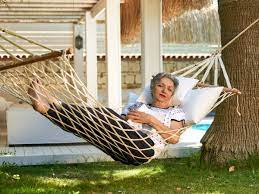
The Cultural and Biological Roots of the Siesta
A Tradition Across Continents
The siesta is more than a biological response—it’s a cultural institution. In Spain, Greece, Italy, Latin America, and parts of Asia, taking a nap after lunch has long been a daily ritual. Traditionally, people adjusted their routines around the hottest hours of the day, especially in agrarian societies where working in the midday sun was exhausting and dangerous.
Today, even as modern lifestyles have altered daily routines, the summer nap persists in various forms—during lunch breaks, after meals, or as part of vacation relaxation.
The Biology of Midday Fatigue
From a biological perspective, the desire to nap after lunch is not merely cultural. Our circadian rhythm—the body’s internal clock—naturally dips in alertness during the early afternoon, typically between 1:00 and 3:00 p.m. This decline is amplified after a heavy meal, as digestion redirects blood flow and energy away from the brain to the gastrointestinal system.
Add high summer temperatures and poor sleep quality from hot nights, and the urge to nap becomes almost irresistible.
The Benefits of Napping: Mental and Physical Restoration
Cognitive Performance and Mood Enhancement
Numerous scientific studies have shown that short naps (10–30 minutes) can improve memory, concentration, creativity, and mood. A brief nap can reduce fatigue and boost alertness more effectively than a cup of coffee. For those who sleep poorly at night, a short nap may provide a much-needed energy boost to get through the day.
Cardiovascular Recovery and Stress Reduction
Sleep, including naps, contributes to heart health. A well-timed nap can lower blood pressure and reduce the risk of stress-related cardiac events. According to a study published in the journal Heart, occasional napping (once or twice a week) was associated with a reduced risk of cardiovascular disease in middle-aged adults.
Furthermore, napping may aid in lowering cortisol levels—the body’s primary stress hormone—thereby reducing systemic inflammation and promoting heart health.
The Hidden Dangers: When Naps Become Harmful
Despite these benefits, not all naps are created equal. Under certain conditions, napping—particularly during hot summer afternoons—can have adverse effects.
Cardiovascular Risks of Long Naps
Research published in the European Heart Journal found a correlation between longer naps (over 60 minutes) and increased risks of cardiovascular disease and stroke. This association was especially evident in people who already had poor nighttime sleep quality.
Prolonged napping may signal underlying health issues such as sleep apnea, metabolic disorders, or depression—all of which contribute to cardiovascular problems.
Sleep Cycle Disruption and Insomnia
Napping too long or too late in the day can disrupt the body’s natural sleep-wake cycle. Extended siestas reduce the body’s “sleep pressure,” making it harder to fall asleep at night. This effect is particularly problematic in summer, when higher nighttime temperatures already make restful sleep difficult.
Inconsistent sleep patterns—such as long daytime naps followed by late or fragmented nighttime sleep—can lead to chronic insomnia, sleep inertia (grogginess upon waking), and daytime fatigue, thereby creating a vicious cycle.
Increased Risk for Metabolic Disorders
Long or irregular napping has been associated with higher rates of metabolic syndrome, a cluster of conditions that includes high blood pressure, high blood sugar, excess abdominal fat, and abnormal cholesterol levels. A study in Sleep Health found that people who nap for more than 90 minutes are more likely to exhibit signs of insulin resistance and obesity.
Napping in the Heat: Added Summer Concerns
Heat and Dehydration
Sleeping in high temperatures can cause excessive sweating, which contributes to dehydration if fluids are not replenished. Dehydration, in turn, places additional stress on the cardiovascular system and can cause headaches, dizziness, and fatigue upon waking.
Reduced Nighttime Sleep Quality
In summer, the combination of longer daylight hours and hot evenings can already make falling asleep at night challenging. Adding an hour-long nap in the afternoon only compounds the difficulty, potentially resulting in reduced sleep duration and lower sleep quality at night.
How to Nap Safely: Best Practices for Healthy Summer Siestas
Keep It Short
The ideal nap length is 10 to 30 minutes. This short window allows the body to rest without entering deeper stages of sleep, which can cause grogginess and interfere with nighttime rest.
Nap Early in the Afternoon
Try to nap between 1:00 and 3:00 p.m., which aligns with the body’s natural circadian rhythm. Napping later than 4:00 p.m. increases the risk of disrupting nighttime sleep.
Create a Cool and Comfortable Environment
Choose a well-ventilated, shaded room for your nap. Use a fan, light blanket, or air conditioning to maintain a comfortable body temperature. Avoid direct sunlight, which can raise your core temperature and interfere with relaxation.
Hydrate Before and After
Drink a glass of water before your nap, especially during hot weather, to prevent dehydration. Avoid caffeinated or sugary drinks before napping as they may interfere with rest quality.
Listen to Your Body
If you feel excessively drowsy during the day, it may be a sign of poor nighttime sleep, an irregular sleep schedule, or an underlying health issue. Frequent, long naps may warrant a consultation with a sleep specialist or healthcare provider.
The Summer Nap: Healthy Habit or Health Hazard?
The answer depends on how, when, and why you nap.
Napping can be a beneficial way to boost cognitive function, reduce stress, and recover from inadequate sleep, especially in summer when the heat takes a toll on physical and mental energy. However, excessively long or poorly timed naps—particularly in the context of already disrupted nighttime sleep—can have negative consequences for cardiovascular and metabolic health.
Understanding your body’s needs and responding with smart, intentional napping can transform the summer siesta from a risky indulgence into a powerful tool for health and productivity.
Conclusion
In the sun-drenched serenity of summer, the temptation to indulge in a midday nap is strong—and not without merit. Yet, the science reminds us that not all naps are harmless. Short, well-timed naps can refresh the mind and support heart health, while long or poorly managed siestas may do more harm than good, especially for those with pre-existing health conditions or sleep disorders.
As with many aspects of health, balance is key. Embracing the summer nap with mindfulness—keeping it short, cool, and early in the day—can help you enjoy the restorative benefits without compromising your cardiovascular or metabolic well-being.