
 By admin
Introduction
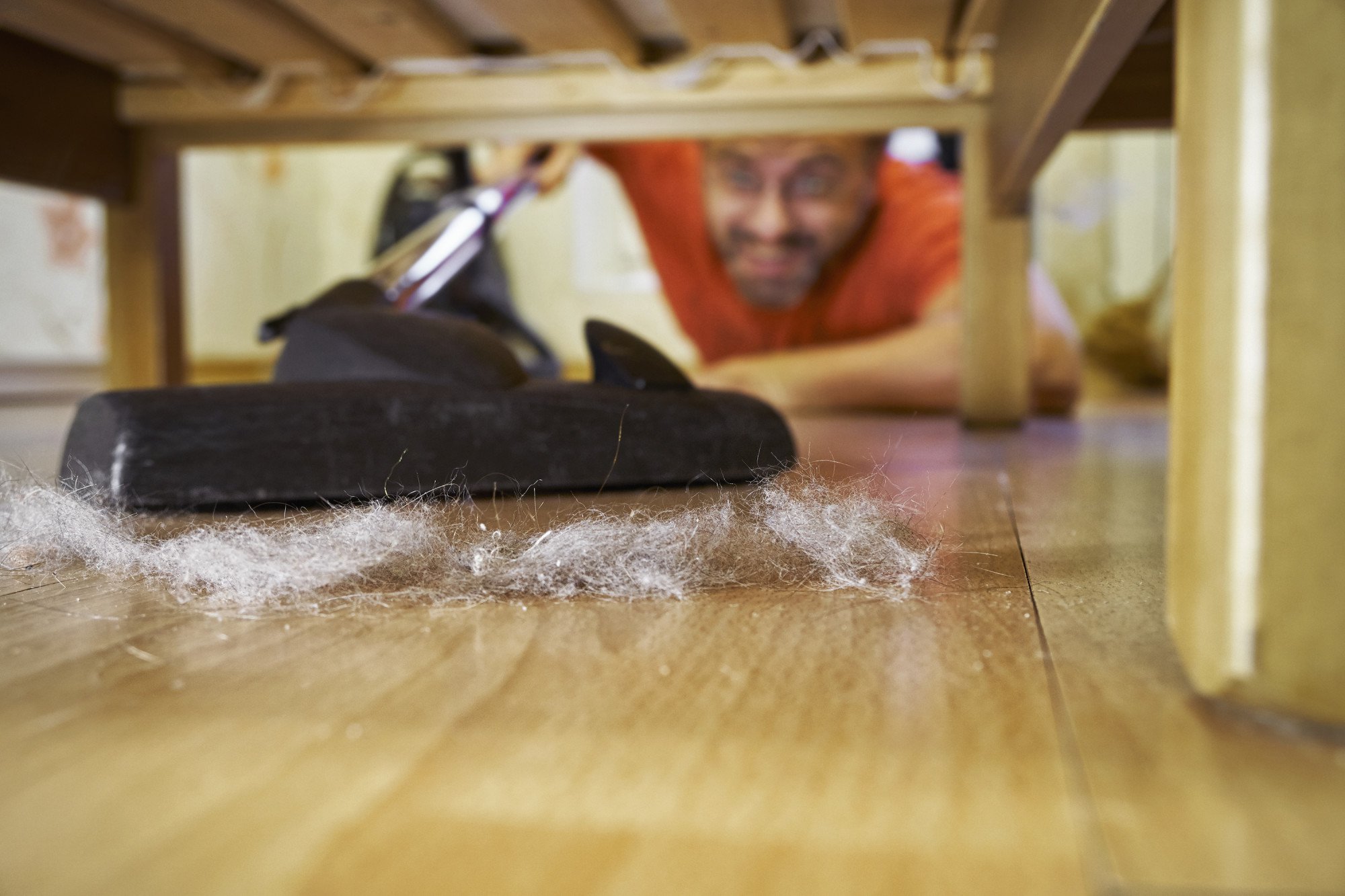
In modern homes, optimizing space has become a necessity, especially in smaller bedrooms or apartments. Under-bed storage often serves as a convenient solution for keeping seldom-used or seasonal items out of sight. From winter blankets to old keepsakes, the space beneath your bed might seem like the perfect hideaway for extra belongings. However, not everything belongs in this dark, low-ventilation space. Poor choices in under-bed storage can lead to health issues, pest infestations, or even damage to your cherished items.
This article explores five things you should never store under your bed, explaining why each poses a risk and offering smart alternatives. By understanding what not to store under your bed and why, you can keep your living space cleaner, healthier, and more organized.
Why Under-Bed Storage Requires Careful Consideration
The Hidden Risks of Under-Bed Storage
While under-bed storage maximizes room space, it also limits airflow and light. These conditions are ideal for the accumulation of dust and moisture, which can lead to mold, mildew, and pest infestations. Additionally, some materials degrade faster in poorly ventilated environments.
The Psychological Impact of Bedroom Clutter
According to sleep experts and psychologists, clutter—especially in your bedroom—can negatively impact mental health. Items hidden under the bed may create subconscious stress or disrupt energy flow, especially in Feng Shui practices, which recommend keeping the area under the bed clear.
1. Cardboard Boxes and Paper-Based Items
Why Paper Products Attract Pests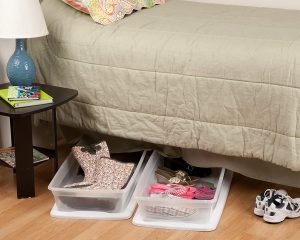
Paper and cardboard are organic materials that can act as both food and shelter for pests like cockroaches, termites, and silverfish. Once infested, these insects can spread throughout the home.
Moisture Damage and Deterioration
Cardboard easily absorbs moisture from the floor or air, which can accelerate the breakdown of the material and damage whatever is inside. Stored documents, photos, or books become prone to warping, staining, and mold.
Better Alternatives
Use airtight plastic containers or vacuum-sealed bags that protect contents from dust, pests, and moisture. Label everything clearly for easy identification.
2. Blankets, Bedding, and Linens
Dust Accumulation Issues
The space under your bed is prone to collecting dust, and storing blankets or linens directly there exposes fabric to dirt and allergens. This can aggravate allergies, asthma, or respiratory conditions.
Odors and Stale Fabric
Without adequate ventilation, fabric stored under the bed can develop a musty smell, particularly in humid environments. Even freshly laundered linens can come out smelling unpleasant after a few weeks under the bed.
Smart Storage Tips
If you must store bedding under your bed, use vacuum-sealed bags to save space and protect the fabric. Regularly clean the area and rotate linens to prevent odors and dust buildup.
3. Leather Goods
Why Leather Requires Special Care
Leather is a natural material that needs to breathe and requires specific conditions to maintain its flexibility and appearance. In a closed, dusty environment like under the bed, leather items can dry out, crack, or develop mildew.
Damage From Dust and Pressure
Shoes, jackets, or handbags stored directly under the bed are likely to be crushed or deformed due to limited space or weight from other items. This devalues expensive leather goods and shortens their lifespan.
How to Store Leather Properly
If under-bed storage is your only option, store leather items in breathable cloth bags or specialized containers with silica gel packets to absorb moisture. Never store them in plastic, which traps humidity.
4. Heavy Items
Physical Strain and Injury Risk
Storing heavy items like large books, weights, or appliances under your bed might seem logical for space-saving, but it poses a real danger. Retrieving heavy items from a low, awkward position can strain your back or cause accidental injuries.
Structural Impact on the Bed
Excessive weight under the bed can strain or damage the bed frame over time, especially if it’s not designed to support it. This could lead to squeaky noises, sagging, or even breakage.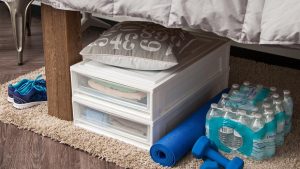
Best Practices
Keep heavy items in closet shelves or dedicated storage areas that allow easy access and appropriate weight distribution. If you must use under-bed space, opt for lighter items that won’t cause strain during retrieval.
5. Food and Snacks
The Pest Magnet
Food under the bed is a surefire way to attract unwanted pests such as ants, cockroaches, and mice. Crumbs or forgotten snacks can become breeding grounds for infestations, turning your bedroom into a health hazard.
Unpleasant Odors and Mold Growth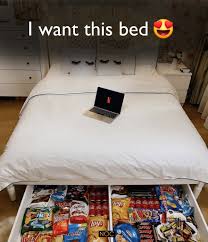
Even sealed food can eventually leak, expire, or emit odors in confined spaces. Mold and bacteria thrive in the dark, often undisturbed area under the bed, creating a serious hygiene problem.
Healthier Habits
Avoid eating in bed altogether to minimize crumbs and residue. Store snacks in the kitchen or pantry where they are less likely to contribute to infestations and bad smells.
Additional Tips for Safe Under-Bed Storage
Use the Right Storage Solutions
Invest in under-bed drawers or rolling containers with tight lids. Choose clear bins so you can see contents easily without unpacking everything.
Clean Regularly
Even with sealed containers, dust will gather. Clean under the bed every few weeks to prevent allergen buildup and maintain a healthy bedroom environment.
Rotate Stored Items
Avoid long-term neglect of stored items. Periodically check and rotate them to ensure nothing is deteriorating or growing mold unnoticed.
Follow Feng Shui Principles
Feng Shui experts recommend keeping the space under your bed clear to allow energy (or “chi”) to flow freely. If you must use it for storage, keep the items organized, clean, and purposeful.
Conclusion
While under-bed storage can be an efficient way to maximize space in your bedroom, not all items belong there. Cardboard and paper products attract pests; linens collect dust; leather items dry out and crack; heavy objects pose physical risks; and food can lead to infestations and hygiene issues. Understanding the risks associated with poor storage choices can help you maintain a healthier, cleaner, and more harmonious bedroom.
Instead of cluttering the space under your bed with unsuitable items, opt for sealed, lightweight, and moisture-resistant containers. Adopt a mindful approach by regularly cleaning, rotating, and reassessing what you store under your bed. With careful planning and attention, you can turn your under-bed area into a practical and safe storage zone—without compromising health or comfort.
Psychological Effects of Kissing