
 By admin
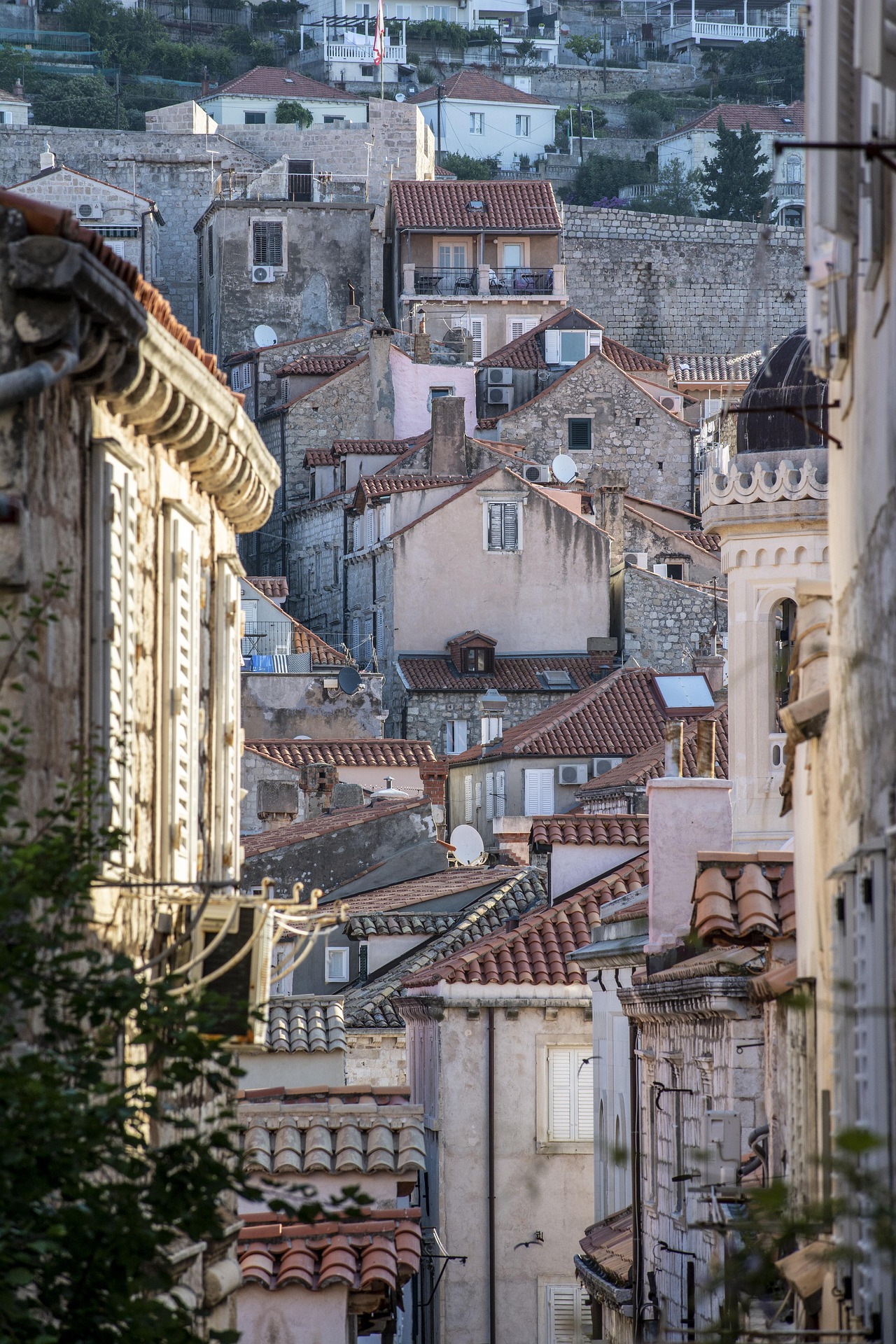
Introduction: A Journey Through Croatia’s Timeless Charm
When travelers think of Croatia, the first images that often come to mind are its pristine beaches, turquoise waters, and picturesque islands. Yet beyond its coastline lies a treasure trove of cultural and historical richness: Croatia’s medieval cities. Dotted along the Adriatic and nestled inland, these ancient towns have retained their centuries-old charm, offering visitors a unique opportunity to step back in time.
From stone fortresses to winding cobblestone streets, Croatia is home to some of the best-preserved medieval architecture in Europe. These cities are not just relics of the past—they are vibrant, living museums, where history continues to breathe through the walls, towers, and alleys. Whether you’re a history enthusiast, a photography lover, or simply in search of unique travel experiences, these eight medieval Croatian cities promise awe and inspiration.
1. Dubrovnik – The Pearl of the Adriatic
A Cinematic Backdrop and a Living Fortress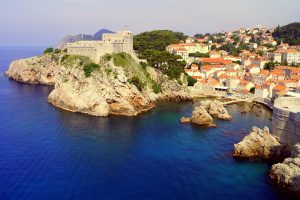
Located at Croatia’s southeastern tip, near the borders with Montenegro and Bosnia and Herzegovina, Dubrovnik is arguably the crown jewel of Croatian medieval cities. Often referred to as the “Pearl of the Adriatic,” it’s renowned worldwide for its majestic walls, baroque buildings, and scenic vistas.
Dubrovnik’s Old Town is a UNESCO World Heritage site and gained international fame after serving as a filming location for Game of Thrones. The influx of tourists prompted local authorities to cap the number of visitors to preserve the town’s cultural integrity.
Despite the crowds, the Old Town retains its magic. The entire area is pedestrian-only, ideal for leisurely exploration. Don’t miss the famous city walls walk, offering spectacular panoramic views of red-tiled rooftops, historic towers, and the Adriatic Sea. Another must-see is Fort Lovrijenac (St. Lawrence Fortress), perched on a 37-meter-high cliff. Known as the “Gibraltar of Dubrovnik,” this fortress has protected the city since the 11th century and now hosts summer Shakespearean performances.
2. Trogir – A UNESCO Gem of the Dalmatian Coast
An Island Town of Romanesque Splendor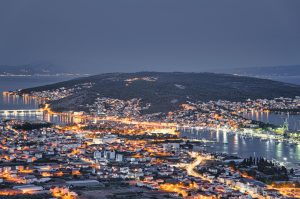
Trogir, nestled between the mainland and the island of Čiovo, is a true open-air museum. Connected by bridges and set within medieval walls, this UNESCO-listed town features architecture that dates back to the Greek and Roman eras.
Wander through its maze of narrow streets and discover the 13th-century Cathedral of St. Lawrence, famed for its intricate portal by sculptor Radovan. Trogir is also home to the Kamerlengo Fortress, which offers a panoramic view of the waterfront.
Thanks to its compact size and preserved architecture, Trogir is a favorite among visitors seeking a quieter, authentic medieval experience without the crowds.
3. Šibenik – The City of Fortresses and Cathedrals
A Fusion of Gothic and Renaissance Grandeur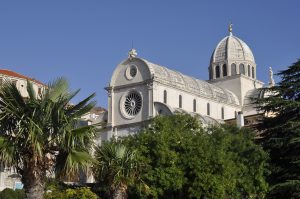
Šibenik is unique in being the only Croatian city founded by Croats rather than Romans or Greeks. This coastal city, located in central Dalmatia, is a fusion of history and culture, known particularly for its impressive fortresses and the UNESCO-listed Cathedral of St. James.
Constructed entirely from stone, the cathedral is a masterpiece of Gothic-Renaissance architecture and a symbol of Šibenik’s golden age. Surrounding the city are four ancient fortresses, with St. Michael’s Fortress being the most prominent. Today, it hosts concerts and cultural events with breathtaking views of the archipelago.
Šibenik has emerged as a modern cultural hub while preserving its medieval soul, making it a must-visit for those seeking both history and vibrant local life.
4. Korčula – The Alleged Birthplace of Marco Polo
A Medieval Town Encircled by Walls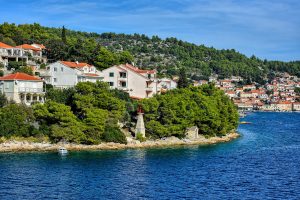
Located on the island of the same name, Korčula is often called “Little Dubrovnik” for its charming walled town and red-roofed houses. Legend claims that Marco Polo was born here, and you can even visit the supposed site of his birth.
Korčula’s layout is a marvel of urban planning from the Middle Ages—its streets are arranged in a fishbone pattern to provide natural ventilation and protect against strong winds. The town boasts Gothic and Renaissance architecture, including St. Mark’s Cathedral and the 15th-century Town Hall.
Korčula is also renowned for its traditional Moreska sword dance, a vibrant cultural performance dating back to the 16th century, still enacted during festivals.
5. Motovun – A Hilltop Treasure in Istria
A Fairytale Town Above the Vineyards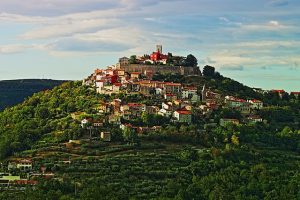
In the heart of the Istrian peninsula lies Motovun, a picturesque hilltop town surrounded by vineyards and truffle-rich forests. This medieval village offers sweeping views and a slower pace, perfect for travelers looking to escape the coast.
Motovun’s origins date back to pre-Roman times, but its current layout stems from the Middle Ages. Walk the old city walls for 360-degree views of the surrounding countryside and visit the Church of St. Stephen, built in the 17th century on the site of an earlier basilica.
The town is also known for the annual Motovun Film Festival, which draws cinephiles from across Europe to its cobblestone streets.
6. Poreč – A Blend of Antiquity and Medieval Artistry
From Roman Roots to Medieval Marvels
Poreč, located on the Istrian coast, is a city where ancient Roman streets merge with medieval buildings. Its star attraction is the Euphrasian Basilica, a UNESCO World Heritage site and one of Europe’s finest examples of early Christian architecture.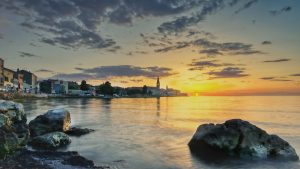
Beyond the basilica, Poreč’s medieval core includes towers, city walls, and palaces that reveal its strategic importance over the centuries. Its grid street plan, inherited from Roman times, makes navigating the Old Town a joy for architecture lovers and history buffs alike.
With a blend of antiquity and Middle Age charm, Poreč presents an excellent balance between heritage and modern tourist amenities.
7. Rovinj – Romance on the Adriatic
A Timeless Venetian Legacy
Rovinj is one of the most photographed towns in Croatia—and for good reason. Its medieval Old Town sits on a small peninsula, with colorful houses seemingly tumbling into the sea. Originally an island, Rovinj was connected to the mainland in the 18th century.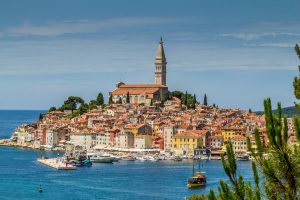
The city was under Venetian rule for centuries, and that influence is still visible in its architecture, especially in the ornate windows and pastel facades. The Church of St. Euphemia dominates the skyline and offers sweeping views of the Adriatic.
Rovinj’s romantic ambiance, thriving art scene, and medieval streets make it a haven for couples, artists, and travelers seeking inspiration.
8. Varaždin – The Baroque Jewel of Northern Croatia
Medieval Roots and Baroque Grandeur
Unlike the coastal towns, Varaždin lies inland and is known for its stunning baroque architecture and well-preserved medieval core. Once the capital of Croatia in the 18th century, it still reflects the elegance of that era.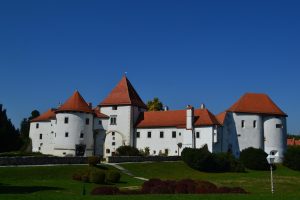
Its Old Castle, dating from the 14th century, houses the Varaždin City Museum. Wander through cobbled squares lined with pastel-colored palaces and baroque churches. The city is also famed for its festivals, including Špancirfest, which turns the streets into a stage for music, theater, and street art.
Varaždin provides a unique glimpse into a different side of Croatian history, away from the sea but equally rich in heritage.
Conclusion: Discover the Medieval Soul of Croatia
Croatia’s medieval cities are far more than picturesque settings—they are immersive portals into Europe’s historical tapestry. From Dubrovnik’s imposing walls to the intimate alleys of Motovun, each city tells a story of resilience, artistry, and cultural fusion. Whether you’re drawn by legends, architecture, or the promise of an authentic experience, these destinations invite you to explore a Croatia less traveled yet profoundly enchanting.
Beyond the summer crowds and sun-kissed beaches lies a deeper, more storied Croatia—one that speaks in stone, echoes in cathedrals, and endures through centuries of change. For travelers seeking time-honored beauty and historical depth, Croatia’s medieval towns are not just worth a visit—they’re unforgettable.