
 By admin
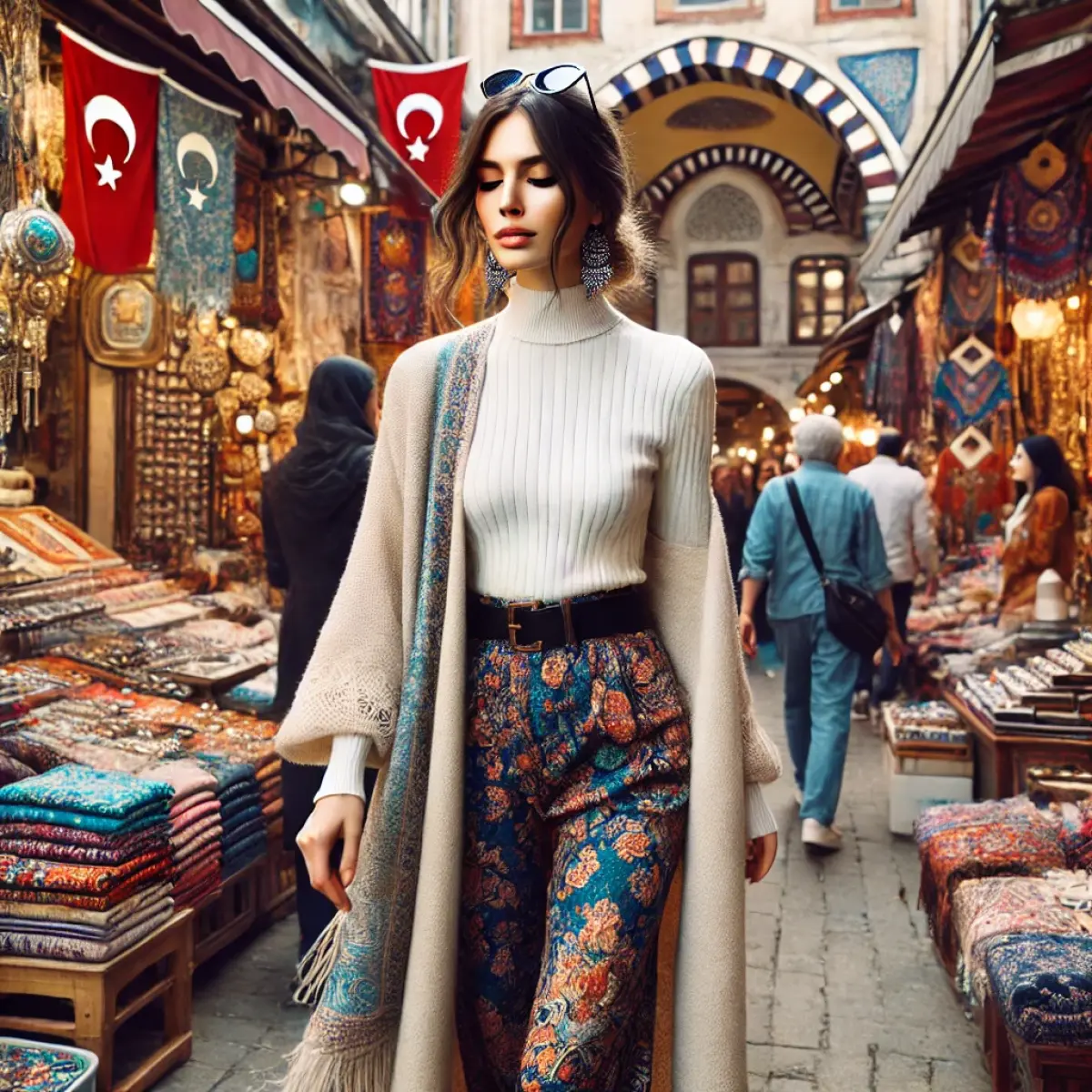
The History of Turkish Fashion: From Past to Present
Introduction
Fashion is not only about clothing; it is a mirror of history, culture, and identity. Among the most fascinating fashion legacies in the world is that of Turkey, a country situated at the crossroads of East and West. The history of Turkish fashion spans centuries, blending nomadic practicality, Ottoman grandeur, religious traditions, and modern global trends. From the loose trousers and felt hats of Central Asian nomads to the rich caftans of the Ottoman elite, and finally to today’s thriving textile and fashion industry, Turkish fashion reflects a remarkable story of continuity and transformation.
This article explores the evolution of Turkish attire from its earliest beginnings to the present day, analyzing how geography, culture, politics, religion, and modern industry shaped what Turks wear. It also highlights Turkey’s growing role in global fashion through its designers, textiles, and cultural influence.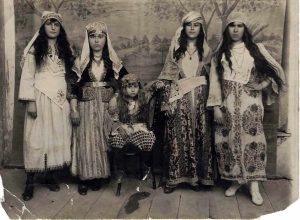
Early Roots of Turkish Fashion
Nomadic Beginnings in Central Asia
The earliest records of Turkish clothing come from miniatures, wall paintings, and archaeological evidence found in Central Asia. Early Turks were nomadic pastoralists, relying heavily on horseback riding and herding. Their lifestyle required functional, durable, and adaptable clothing.
-
Unisex Clothing: Both men and women wore loose trousers for riding, layered jackets, and coats that could be easily adapted to changing climates.
-
Layering as Wealth: Wearing multiple layers was not only practical for warmth but also a sign of wealth and social standing.
-
Accessories of Identity: Jewelry, belts, and especially headgear signaled differences in gender, class, and tribe. Complex headdresses became one of the most distinctive features of early Turkic attire.
Materials and Techniques
Due to the natural environment, leather, wool, felt, sheepskin, and fur were the most commonly used materials. Bashlyks (fur or sheepskin head coverings) served both functional and symbolic purposes, marking social status and regional identity.
Cultural Interactions and Anatolian Transformation
Migration and Blending of Cultures
When Turkic tribes migrated from Central Asia to Anatolia, their clothing styles encountered and merged with local traditions. Kyrgyz, Uzbek, Uighur, Azerbaijani, and Tatar influences gradually integrated into Anatolian fashion, creating a unique hybrid identity. Symbols, motifs, and embroidery reflected this cultural exchange.
The Rise of Textile Centers
As the Ottoman Empire expanded, textile production flourished in cities such as Istanbul, Bursa, Bilecik, Denizli, and Ankara. These hubs became renowned for their silk, wool, and cotton, setting the foundation for Turkey’s future role as a textile powerhouse.
Ottoman Fashion: A Symbol of Power and Identity
Clothing and Social Hierarchy
In the Ottoman Empire, fashion became a visible marker of class, profession, and religion.
-
Palace Elite: Members of the court and administrators wore luxurious fabrics such as silk and velvet, richly embroidered caftans, and fur-lined garments.
-
Middle Class: The middle strata wore simpler robes (cüppe) and modest jackets.
-
Common People: Farmers and laborers opted for short, collarless jackets (cepken) and vests (yelek), prioritizing functionality.
Legal Regulations and Modesty
During the reign of Süleyman the Magnificent, clothing laws were enacted to reinforce social order and religious norms. These laws dictated which classes could wear certain fabrics or colors.
Women’s Fashion in the Ottoman Era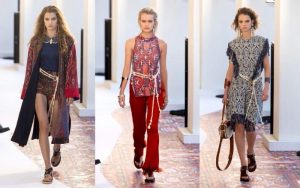
Women’s clothing also reflected both status and modesty:
-
In the 16th century, women often wore velvet shawls and long gowns.
-
Outdoor attire was dominated by the ferace, a long, loose, collarless garment, often in black.
-
By the 19th century, the çarşaf (similar to a cloak) became common, especially in urban centers, replacing the ferace.
Rural communities, however, largely preserved their traditional styles, resisting urban changes.
The Republican Era and Clothing Reforms
Atatürk’s Clothing Revolution
At the dawn of the 20th century, Turkey underwent a radical transformation under the leadership of Mustafa Kemal Atatürk. The clothing and hat reforms introduced in the 1920s and 1930s were designed to modernize Turkish society and align it with Western Europe.
-
For Men: Fez and traditional headgear were banned, replaced by hats, jackets, ties, and Western suits.
-
For Women: The çarşaf and peçe (niqab) were gradually abandoned in favor of coats, scarves, and modern dresses.
These reforms were not just about clothing—they were part of a broader effort to reshape national identity, secularism, and modernization.
Industrialization and the Rise of Ready-to-Wear Fashion
From Tailors to Factories
In the 1960s, Turkey entered an era of rapid industrialization. The rise of textile factories and ready-to-wear industries revolutionized clothing production. Tailors, once central to fashion, were gradually replaced by mass-produced garments available in department stores.
Women Entering the Workforce
As women joined the workforce in greater numbers, fashion adapted to practicality. Skirts, trousers, and blouses became more common, reflecting both global influences and changing gender roles in Turkish society.

Modern Turkish Fashion
Blending Tradition and Modernity
Today, Turkish fashion reflects a balance between tradition, religion, and modern global culture. Clothing choices vary widely depending on region, class, and lifestyle:
-
Religious and Traditional Styles: Many women still wear scarves with long skirts, maxi dresses, or traditional kaftans. Older generations often knit or weave their own fabrics.
-
Modern and Globalized Styles: Younger generations adopt jeans, dresses, and Western-inspired looks, influenced by European and American trends.
-
Hybrid Styles: Many Turks combine modest clothing with modern aesthetics, creating unique blends that appeal to both conservative and contemporary audiences.
Turkey as a Fashion Hub
Turkey is one of the world’s largest textile exporters, with Istanbul Fashion Week and major shopping hubs such as Nişantaşı and İstinye Park attracting global attention. Turkish brands are expanding internationally, while Istanbul itself is becoming a vibrant fashion capital of Eurasia.
Contemporary Turkish Designers
A new wave of Turkish designers is gaining international recognition for their creativity, craftsmanship, and ability to merge Eastern and Western aesthetics:
-
Rıfat Özbek – Known for avant-garde and multicultural designs.
-
Cemil İpekçi – Famous for incorporating traditional Ottoman motifs into modern fashion.
-
Vural Gökçaylı – Celebrated for elegant haute couture creations.
-
Yıldırım Mayruk – A master of tailoring and refined cuts.
-
Bahar Korçan – Known for her innovative approach and artistic collections.
In addition to these established names, young Turkish designers are finding success through online boutiques, sustainable fashion, and global collaborations.
Turkish Fashion in the Digital Age
E-Commerce and Online Boutiques
With the growth of e-commerce, Turkish designers are reaching a global audience. Platforms selling Turkish fashion—ranging from traditional kaftans to streetwear—are thriving in Europe, the Middle East, and North America.
Sustainable and DIY Fashion
A growing movement encourages younger generations to sew, knit, and design their own clothing, blending sustainability with cultural pride. Handmade scarves, embroidered fabrics, and artisanal crafts are once again gaining popularity.
Conclusion
The history of Turkish fashion is a journey that reflects the cultural, political, and social transformations of a nation situated between East and West. From the practical attire of nomadic horsemen to the luxurious caftans of the Ottoman court, from Atatürk’s reforms to today’s digital fashion scene, Turkish clothing has always carried deeper meanings beyond fabric and design.
Turkey’s fashion identity lies in its ability to preserve tradition while embracing modernity, serving as a cultural bridge that continues to influence both regional and global fashion. As new generations of designers emerge and sustainability reshapes the industry, Turkish fashion is poised to remain a powerful voice in the international style arena.
The Evolution of Fashion in Slovenia