
 By admin
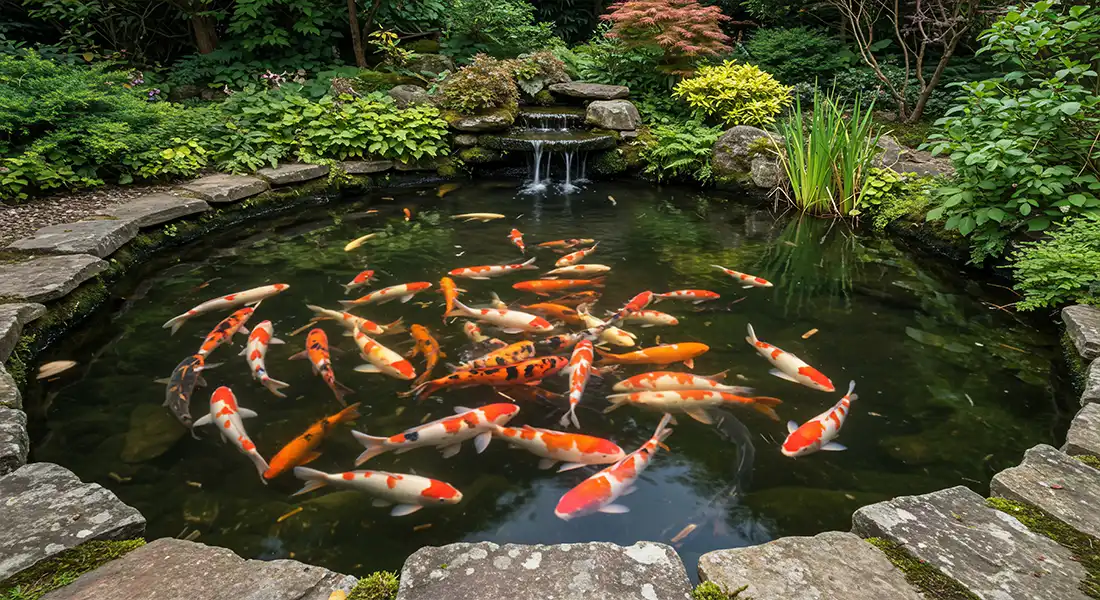
Building a Backyard Fish Pond: A Complete Guide to Creating Your Own Water Garden
Introduction
In recent years, backyard fish ponds and water gardens have become one of the most popular features in residential landscaping. More than just decorative elements, these serene ponds attract butterflies, birds, frogs, and fish, transforming any outdoor space into a lively natural sanctuary. They also provide homeowners with a tranquil retreat where relaxation and nature meet in perfect harmony.
Whether small enough to fit in a patio container or designed as a larger focal point in your yard, a backyard fish pond offers beauty, biodiversity, and peace of mind. Creating one doesn’t require professional landscaping skills—only careful planning, the right materials, and some creativity. This comprehensive guide will walk you through everything you need to know about building, landscaping, and maintaining your own backyard fish pond.
The Benefits of a Backyard Fish Pond
Enhancing Outdoor Beauty
A fish pond instantly elevates the aesthetics of your garden. Flowing water, aquatic plants, and colorful fish add charm and visual appeal, making your yard look more vibrant and alive.
Creating a Relaxing Atmosphere
The gentle sound of moving water has long been associated with relaxation and stress relief. Studies even show that spending time around water can lower blood pressure, reduce anxiety, and improve overall mental well-being.
Supporting Local Wildlife
Adding a pond to your backyard attracts pollinators and wildlife. Birds use it for drinking and bathing, frogs find a habitat, and beneficial insects thrive around it, contributing to ecological balance.
Family-Friendly Enjoyment
A backyard fish pond provides entertainment and learning opportunities for the whole family. Children can watch the life cycle of frogs, feed koi or goldfish, and observe aquatic plants growing, all while developing an appreciation for nature.
Planning Your Backyard Fish Pond
Choosing the Right Location
Placement is critical for both visual appeal and functionality. Here are some important considerations:
-
Visibility: Position the pond where you can enjoy it most—such as near a patio, deck, or large window.
-
Shade and Sunlight: Ponds should get partial sunlight, ideally 4–6 hours per day. Too much sun can cause algae growth and overheating, while too much shade can stunt plant growth.
-
Avoid Trees: Don’t build your pond directly under trees. Falling leaves create extra maintenance and can harm water quality.
-
Accessibility: Ensure the location is convenient for adding water, maintaining equipment, and accessing electricity for pumps, filters, or lighting.
Determining Size and Shape
Backyard ponds can be as small as 3–4 feet in diameter or designed to cover larger areas. Small ponds are perfect for patios or tight yards, while bigger ones can serve as the centerpiece of a landscape.
-
Small Ponds: Great for container gardens and beginners.
-
Medium Ponds: Offer space for fish, aquatic plants, and decorative features like waterfalls.
-
Large Ponds: Best for serious pond enthusiasts who want to host multiple fish species and lush aquatic vegetation.
Preparing the Pond Site
Elevating and Drainage
Slightly raise the soil around the pond’s edge to prevent rainwater runoff from flowing in. A well-planned drainage system ensures excess water is directed away from your house and prevents flooding.
Clearing the Area
Before digging, remove rocks, roots, and debris that may puncture the pond liner. The smoother the ground, the more secure and durable your pond will be.
Soil Considerations
Even if your soil has a natural clay base, pond liners are usually necessary. Clay soil may retain water, but without a liner, long-term leaks are likely.
Using Pond Liners
Pond liners are essential for holding water and ensuring your pond’s durability. They come in various materials, sizes, and designs.
Types of Pond Liners
-
PVC (Polyvinyl Chloride) Liners: Affordable, flexible, and ideal for medium to large ponds.
-
EPDM Rubber Liners: Highly durable, UV-resistant, and long-lasting, making them a favorite among pond enthusiasts.
-
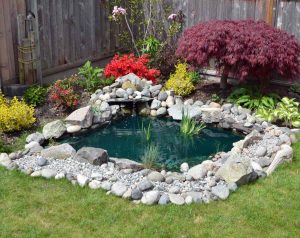
Preformed Liners: Rigid and molded into specific shapes, great for small ponds and easy installation.
-
Concrete Liners: Strong and durable but costly and more challenging to install.
Choosing the Right Thickness
The thicker the liner, the more resistant it is to punctures. For ponds with fish, thicker liners are recommended to withstand wear and tear from rocks and roots.
Calculating Liner Size
To determine the correct liner size:
-
Measure the maximum length, width, and depth of your pond.
-
Multiply the depth by three.
-
Add this number to both the length and width.
-
The result gives you enough liner material to cover the pond and secure the edges.
Installing Your Backyard Fish Pond
Step 1: Digging the Hole
Outline the pond shape with a rope or hose. Dig gradually, creating shelves at varying depths for plants and fish.
Step 2: Placing the Liner
Smooth the ground, remove sharp objects, and spread a protective underlayment before placing the liner. Fit the liner snugly, leaving some overlap around the edges.
Step 3: Adding Water
Fill the pond slowly, allowing the liner to adjust naturally. As water fills, smooth out wrinkles in the liner.
Step 4: Landscaping the Surroundings
Use rocks, pebbles, and plants to blend the pond with your yard. Adding shrubs and grasses nearby will attract more wildlife.
Step 5: Installing Equipment
For clear and healthy water, install a pump, filter, and optional UV clarifier. Lighting and waterfall features can also enhance beauty and enjoyment.
Step 6: Introducing Plants and Fish
-
Aquatic Plants: Add floating plants (water lilies, lotus), submerged plants (hornwort, anacharis), and marginal plants (cattails, irises).
-
Fish: Wait at least a week before adding fish to let plants establish and water conditions stabilize. Koi, goldfish, and mosquito fish are common choices.
Maintaining Your Backyard Pond
Regular Care
-
Remove leaves and debris with a net.
-
Check pump and filter systems weekly.
-
Top up water levels during hot weather.
Seasonal Maintenance
-
Spring: Restart pumps and filters, add new plants, and check water chemistry.
-
Summer: Monitor algae growth and provide shade if water overheats.
-
Fall: Skim fallen leaves and prepare fish for winter.
-
Winter: In cold regions, use pond heaters or bubblers to keep a small area of water ice-free for oxygen exchange.
Landscaping Ideas for Extra Beauty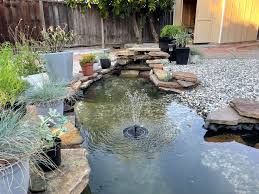
-
Waterfalls and Streams: Add movement and soothing sound.
-
Rock Gardens: Blend natural stone around the pond for an organic feel.
-
Lighting: Solar or LED pond lights create magical nighttime views.
-
Bridges or Stepping Stones: Add charm and functionality.
Common Mistakes to Avoid
-
Placing the pond under trees (leads to excessive debris).
-
Using thin, low-quality liners that degrade quickly.
-
Overloading the pond with too many fish.
-
Ignoring proper filtration, leading to cloudy water.
-
Skipping partial sunlight, which is vital for healthy plant growth.
Conclusion
A backyard fish pond is more than just a decorative feature—it’s a living ecosystem that brings beauty, tranquility, and biodiversity to your home. From careful planning and proper installation to thoughtful landscaping and ongoing maintenance, building a pond is a rewarding project that enhances your outdoor lifestyle.
With the right location, durable pond liners, balanced sunlight, and a mix of plants and fish, your pond can thrive for years, offering endless moments of relaxation and joy for you and your family. Whether small or large, your backyard fish pond will become the heart of your garden—a place where nature, serenity, and human creativity flow together.
Why We Don’t Speak Just One Language