
 By admin

Introduction: The Hidden Power Behind Every Great Musician
Many aspiring musicians start their musical journey eager to play their favorite songs, learn popular riffs, or master impressive solos. Yet, they often skip one crucial foundation: music theory. Some may view it as overly technical, dull, or unnecessary, especially when modern tutorials and digital tools make learning to play by ear easier than ever. However, understanding music theory is not about memorizing abstract rules—it’s about learning the universal language of music.
Music theory bridges the gap between instinct and intellect, helping you understand why certain notes sound good together and how to express emotion effectively through sound. Whether you play piano, guitar, violin, drums, or sing, theory gives you a roadmap to creativity, confidence, and mastery. It transforms you from a player into a true musician.
In this article, we will explore five powerful reasons why learning music theory can revolutionize your musical skills, expand your creative freedom, and enhance every aspect of your musical journey.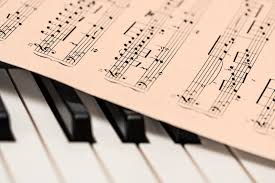
1. Reading Sheet Music: The Universal Language of Musicians
Why Reading Music Matters
Learning to read sheet music is like learning to read words on a page—it opens endless doors. Sheet music is the written form of sound, allowing musicians across the world to communicate ideas without words. Whether you’re performing in an orchestra, joining a jazz band, or simply learning a solo piece, reading sheet music lets you interpret music accurately and confidently.
When you can read sheet music:
- You are not limited to memorizing sounds or watching others play.
- You can explore any piece of music ever written, from classical masterpieces to modern film scores.
- You gain insight into melody, harmony, rhythm, and dynamics—the building blocks of musical expression.
How It Enhances Your Learning
Beginners who learn to read music progress faster and understand more deeply how songs are structured. Reading notation also strengthens hand-eye coordination (especially for piano and guitar players) and develops rhythmic precision. You’ll no longer rely solely on online tutorials or imitation; instead, you’ll be capable of picking up a score and bringing it to life—note by note.
For instance, pianists who read sheet music can instantly interpret Beethoven, Chopin, or Debussy, while guitarists can decode complex tablature or orchestral transcriptions. This skill, once learned, stays with you for life and becomes the foundation of musical literacy.
2. Transposing Music: Adapting Sound to Your Voice and Style
What Is Transposition?
Transposing means changing the key of a piece of music while keeping its structure intact. Suppose you’re playing a song that’s too high for your vocal range or doesn’t suit your instrument’s tone. With a solid understanding of music theory, you can easily shift all notes up or down by a specific interval to create a version that feels “just right.”
Why It’s Important
Transposition is invaluable for singers and instrumentalists alike. Vocalists often encounter songs written in keys that are too high or low for their comfort. Instead of straining your voice, theory allows you to move the song into a comfortable key while keeping its harmony intact. Likewise, guitarists or pianists may need to match a band’s key or tune to another instrument.
Musicians who can transpose on the fly have greater flexibility, professionalism, and confidence in any musical setting—whether performing live, recording, or collaborating.
A Practical Example
Let’s say a song in the key of G major feels too bright or high-pitched. You might transpose it down to E major or D major for a warmer, more resonant sound. Theory helps you understand which chords and notes need to shift, ensuring that everything stays harmonically correct. This skill is especially useful in jazz, pop, and gospel performances, where adaptability is key.
3. Modulation: Adding Movement and Emotion to Music
What Is Modulation?
While transposition moves an entire piece into a different key, modulation changes the key within a piece. It adds variety, depth, and emotional impact. You’ve probably noticed this in pop ballads that rise in pitch before the final chorus—the song suddenly feels more powerful and uplifting. That’s modulation in action.
The Emotional Power of Modulation
Music theory gives you the tools to understand and execute modulations with precision. When done tastefully, modulation can:
- Build emotional tension and release, creating a satisfying “lift.”
- Keep listeners engaged by introducing a fresh sonic color.
- Highlight lyrical meaning, especially in dramatic or romantic pieces.
Composers from Mozart to Adele use modulation to intensify emotion. In jazz or contemporary music, subtle modulations make improvisations sound sophisticated and spontaneous. Understanding why certain key changes feel “right” enables you to use them creatively, rather than relying on trial and error.
Applying Modulation to Your Own Music
For example, moving from C major to A minor creates a more introspective mood, while shifting from E minor to G major brightens the tone. With theory knowledge, you can plan such transitions seamlessly, ensuring the progression feels natural and emotionally coherent.
Mastering modulation can elevate your compositions and performances, turning a simple tune into an expressive journey.
4. Boosting Improvisation Skills: Freedom Through Knowledge
Improvisation: The Art of Spontaneous Creation
Improvisation is often seen as the ultimate test of a musician’s creativity—playing beautifully without pre-written notes. Jazz legends, rock guitarists, and even classical virtuosos rely on improvisation to express themselves freely. However, great improvisation doesn’t come from randomness; it comes from deep understanding of music theory.
When you know scales, chord progressions, and harmonic relationships, you can predict what will sound good next. This allows you to explore freely while maintaining musical coherence.
How Music Theory Fuels Creativity
Music theory teaches you:
- The relationship between chords and scales, so you know which notes fit a given harmony.
- How to create tension and resolution—the essence of musical storytelling.
- How to experiment confidently, blending genres and exploring new tonalities.
For guitarists, theory turns improvisation from guesswork into structured creativity. Pianists can build melodic runs that flow naturally. Singers can riff and ad-lib harmoniously. Knowing the “rules” gives you the freedom to break them artistically.
Improvisation Beyond Jazz
While jazz musicians are masters of improvisation, this skill benefits everyone—from classical performers adding expressive flourishes to pop musicians crafting original solos. Understanding theory doesn’t limit your creativity—it amplifies it.
5. Recreating and Understanding the Sounds You Love
Breaking Down Your Favorite Songs
Ever wondered how your favorite songs create that magical feeling? Why gospel music feels so uplifting, or why jazz sounds so rich? The answer lies in music theory.
By understanding how chord progressions, scales, and rhythms work together, you can dissect songs you love and recreate their essence. You’ll start recognizing patterns—like the I–IV–V progression in pop or the ii–V–I sequence in jazz—that appear again and again across genres.
Learning Through Analysis
For example:
- Gospel music often uses soulful dominant chords and modulations for emotional intensity.
- Contemporary pop relies heavily on repetitive chord loops with catchy melodies.
- Classical music uses thematic development, where a simple idea evolves across a piece.
When you understand theory, you can borrow these techniques for your own compositions. It’s like learning to speak fluently in your favorite musical dialects—pop, rock, blues, or electronic.
Creating Your Own Musical Identity
The more you understand theory, the better equipped you are to develop your own sound. You’ll know how to evoke specific emotions—joy, nostalgia, suspense, or serenity—through harmony and rhythm. Music theory doesn’t just explain music; it empowers you to speak music fluently, blending inspiration and technique.
Learning Music Theory Doesn’t Have to Be Hard
Practical Tips for Getting Started
Many beginners fear that learning music theory will be overwhelming or too academic. The truth is, you don’t need to become a musicologist. Learning the basics of scales, intervals, chords, and rhythm can dramatically improve your musicianship in just a few weeks.
Here are a few practical steps:
- Get a beginner-friendly theory book – Start with clear, structured lessons that include exercises.
- Use digital tools and apps – Platforms like Teoria, MusicTheory.net, or Yousician make learning interactive and fun.
- Apply what you learn immediately – Play examples on your instrument after each lesson.
- Practice consistently – Just 10–15 minutes a day can build solid understanding.
- Collaborate with others – Discussing theory with fellow musicians deepens retention and motivation.
Music Theory in the Digital Age
In today’s world, music theory is more accessible than ever. Online courses, YouTube tutorials, and mobile apps provide visual and auditory feedback, making complex concepts easy to grasp. Whether you’re composing in a DAW like Logic Pro or producing beats for TikTok, knowing theory enhances your ability to structure melodies, harmonies, and rhythms effectively.
Conclusion: The Gateway to Musical Freedom
Music theory is not a set of rigid rules—it’s a toolbox for creativity. It empowers you to read, write, improvise, and perform with confidence and emotion. It helps you understand the DNA of your favorite songs, adapt your music effortlessly, and express yourself authentically across styles and instruments.
By learning even the fundamentals of music theory, you unlock the ability to communicate universally through sound—the most powerful language of all. Whether your goal is to perform professionally, compose original music, or simply play for joy, theory will elevate your artistry to a level that instinct alone cannot achieve.
Meditation in the Modern World