
 By admin
A Comprehensive Guide to Vegetable Gardening Styles: Discovering the Best Fit for Your Needs
Gardening is a profoundly rewarding and deeply personal pursuit, with each gardener bringing unique traits, creativity, and preferences to the practice. Identifying your ideal gardening style can dramatically influence both the success and the satisfaction of cultivating your organic vegetable garden. By exploring the diverse approaches to vegetable gardening, you can select a method that aligns seamlessly with your goals, resources, and environmental conditions. Below, we present an in-depth exploration of various vegetable gardening styles, each offering unique advantages and challenges.
Residential Gardening: Accessible and Flexible for Beginners
Residential gardening is the most widespread and beginner-friendly approach, perfect for individuals growing vegetables for personal consumption while enhancing the aesthetic appeal of their home environment.
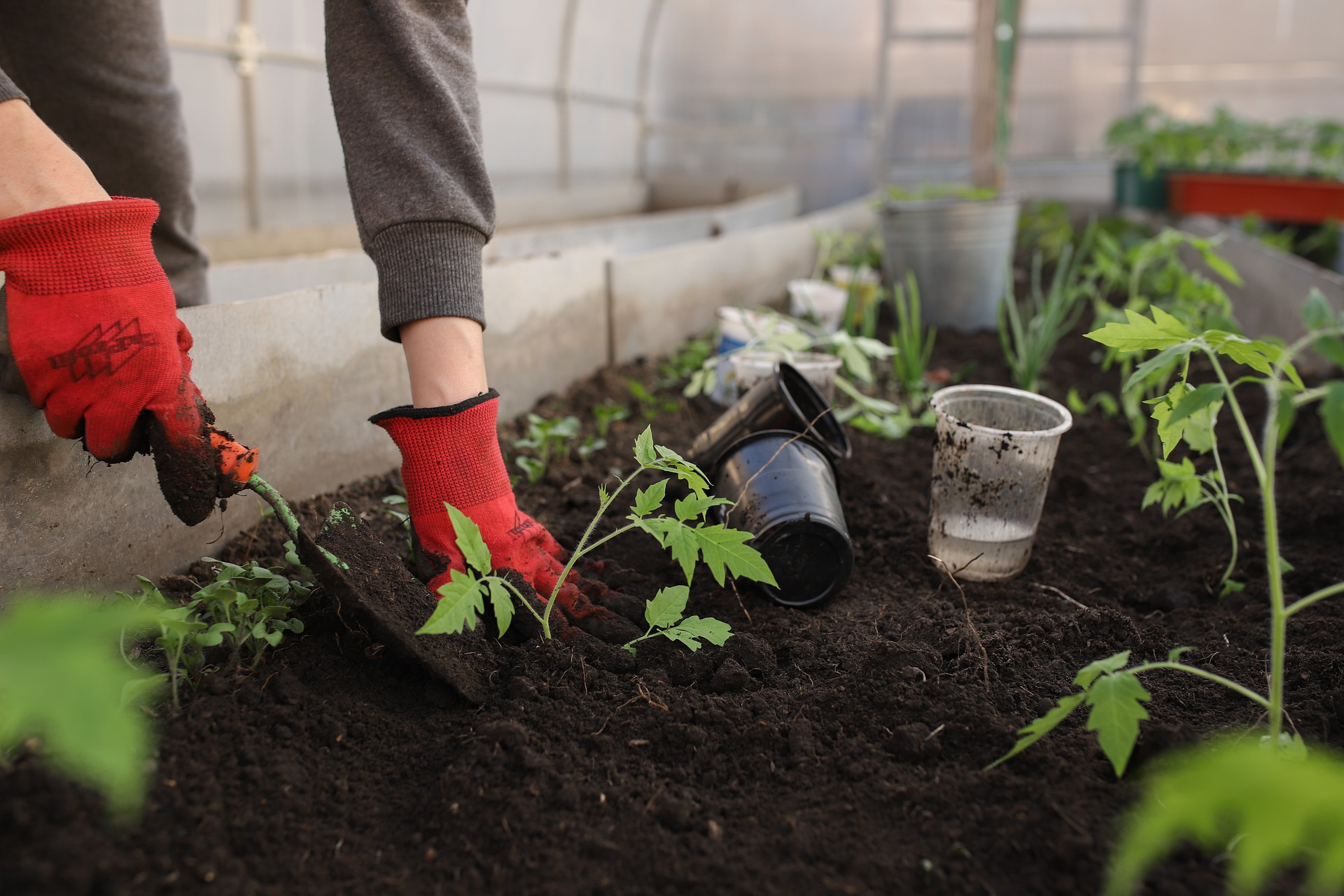
This gardening style is highly adaptable, requiring minimal space. Whether you have a backyard, balcony, or even just a windowsill, residential gardening enables you to grow fresh vegetables with adequate sunlight and care. Its flexibility makes it ideal for novice gardeners, offering opportunities to experiment, gain confidence, and progressively expand their skills. Furthermore, residential gardening fosters a personal connection to nature and serves as a stepping stone to more advanced gardening techniques.
Specialized Gardening: Advanced Design with Broader Impact
Specialized gardening is geared toward non-residential spaces with an emphasis on visual appeal, education, or environmental conservation. Examples include public parks, botanical gardens, and landscaped spaces in commercial or tourist settings.
These gardens typically require professional oversight and expertise in horticulture, landscape design, and sometimes administrative management to ensure their operational and educational objectives are met. Specialized gardening often supports commercial, cultural, or philanthropic missions, making it both a demanding and highly impactful endeavor for professionals in the field.
Impact Gardening: Maximizing Yield in Limited Spaces
Impact gardening, also known as intensive gardening, prioritizes space efficiency and high productivity, making it particularly valuable for urban areas or gardeners with restricted growing areas.
This style involves densely planting compatible vegetables to suppress weeds, optimize yields, and create a self-sustaining ecosystem. Success in impact gardening hinges on meticulous planning, from selecting complementary plant varieties to strategically arranging them for optimal growth. While this approach requires thoughtful preparation, it offers a practical, resource-efficient solution for achieving significant harvests in compact environments.
Indoor Gardening: Controlled Environments for Year-Round Cultivation
Indoor gardening encompasses a wide range of techniques, including residential setups, greenhouse cultivation, and conservatories. It is an excellent choice for gardeners seeking year-round productivity, regardless of weather conditions.
This style relies on controlled environments with tailored systems for lighting, temperature, and humidity. It is particularly effective for cultivating exotic or sensitive plants that thrive under consistent conditions. Although resource-intensive, indoor gardening provides unmatched flexibility, creativity, and opportunities for innovation in plant care.
Water Gardening: Integrating Aquatic Elements for Tranquility and Biodiversity
Water gardening is a visually captivating method that involves growing plants in or around water features such as ponds, fountains, or aquariums. It often incorporates aquatic plants and, in some cases, supports aquatic organisms like fish.
Although challenging for beginners due to its initial setup requirements, water gardening becomes relatively low-maintenance once established. This style appeals to gardeners who value the calming ambiance and ecological diversity of incorporating water into their gardening practice. Proper planning and a reliable water source are essential to maintaining the health of both plants and aquatic life.
Community Gardening: Collaboration and Environmental Advocacy
Community gardening is a collective effort where individuals or groups collaborate to cultivate a shared garden space. This approach fosters teamwork, builds a sense of community, and promotes environmental awareness while creating a greener, healthier local environment.
Participants often manage individual plots or share responsibilities, resulting in diverse gardening methods and plant varieties. Beyond its practical benefits, community gardening offers opportunities for knowledge exchange, resource sharing, and social interaction, making it a valuable choice for gardeners of all experience levels.
Selecting the Right Vegetable Gardening Style
Choosing the best gardening style for your needs requires careful consideration of several factors:
- Assess Your Space: Evaluate the size, type, and layout of your available gardening area, whether it’s a small balcony or a spacious backyard.
- Define Your Goals: Identify your primary objectives, such as personal vegetable production, environmental impact, or aesthetic enhancement.
- Evaluate Your Resources: Consider your available time, budget, and tools. Certain styles, like indoor or specialized gardening, may require greater investments.
- Start Small: If you’re new to gardening, begin with a straightforward approach like residential gardening and gradually explore more complex techniques.
- Align with Your Interests: Choose a style that resonates with your interests. For instance, water gardening suits those drawn to aquatic environments, while community gardening appeals to individuals who enjoy collaboration.
The Benefits of Vegetable Gardening
Regardless of the style you choose, vegetable gardening provides an array of benefits:
- Health and Nutrition: Homegrown vegetables ensure access to fresh, organic, and pesticide-free produce.
- Environmental Contribution: Gardening reduces your ecological footprint by minimizing food miles and supporting local biodiversity.
- Mental Well-Being: Spending time in a garden fosters relaxation, reduces stress, and enhances overall well-being.
- Skill Building: Gardening cultivates practical skills in plant care, ecosystem management, and sustainability practices.
- Community Engagement: Collaborative efforts, such as community gardening, strengthen social bonds and encourage environmental stewardship.
Conclusion
Vegetable gardening is a versatile, rewarding practice that caters to a diverse range of preferences, goals, and circumstances. Whether you embrace the simplicity of residential gardening, the precision of impact gardening, or the collaborative spirit of community gardening, there is a style to suit everyone. By understanding the various approaches and selecting one that aligns with your needs, you can embark on a fulfilling journey of growing your own vegetables while contributing to a healthier, more sustainable future.
https://www.netgrec.com/the-iconic-lifestyle-of-lady-gaga-a-journey-beyond-stardom/