
 By admin
All About Drop Shippers: How to Build a Profitable Online Store Without Inventory
Introduction
In the fast-paced world of e-commerce, entrepreneurs are constantly searching for ways to reduce risk, lower costs, and maximize profits. One of the most revolutionary business models to emerge in recent years is dropshipping — a fulfillment method that allows small business owners to sell products online without having to manage inventory or shipping.
Instead of renting expensive storage space or dealing with complicated logistics, drop shippers act as intermediaries between suppliers and customers, allowing online retailers to focus on marketing, customer experience, and brand growth. Whether you are a newcomer to e-commerce or an established entrepreneur looking to streamline operations, understanding how dropshipping works and how to choose the right drop shipper can make the difference between success and failure.
This article explores everything you need to know about drop shippers — how they work, their advantages, how to find reliable partners, and how to build a long-term, profitable online business using this model.
1. Understanding Dropshipping: The Modern E-Commerce Revolution
1.1 What Is Dropshipping?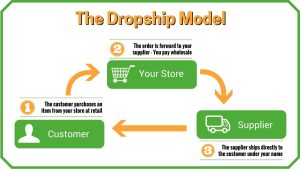
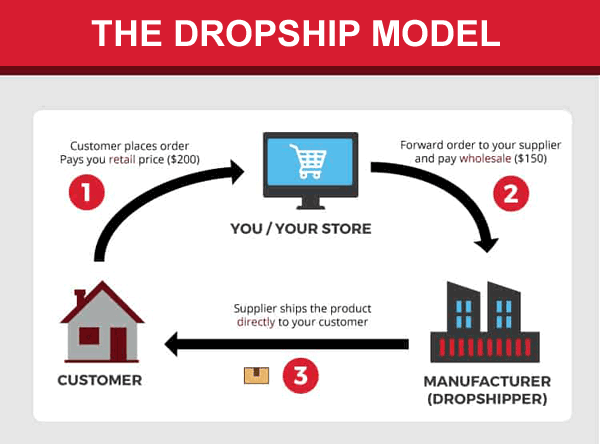
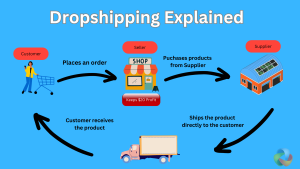
Dropshipping is an order fulfillment method where a retailer does not keep the products it sells in stock. Instead, when a customer makes a purchase, the retailer buys the product from a third-party supplier (the drop shipper) who then ships the item directly to the customer.
This model eliminates the need for warehousing, packaging, and shipping — responsibilities traditionally associated with retail. As a result, entrepreneurs can launch online stores with minimal upfront investment.
1.2 How the Process Works
- Customer Places an Order – The customer visits your online store and purchases an item.
- You Notify the Drop Shipper – You forward the order details to your drop shipping supplier.
- Drop Shipper Fulfills the Order – The supplier packages and ships the item directly to the customer under your brand name.
- You Earn the Profit Margin – The difference between your retail price and the drop shipper’s wholesale price is your profit.
This straightforward process allows you to focus on marketing, product selection, and customer service, rather than logistics.
2. Advantages of Using Drop Shippers
Dropshipping offers several key advantages that have made it one of the most popular business models in the digital era.
2.1 Low Startup and Operating Costs
Traditional retail requires significant investment in inventory, storage, and logistics. Dropshipping removes those costs. You can start your business with little capital — all you need is a website, a supplier, and a marketing strategy. There’s no need to purchase products in advance or worry about unsold inventory.
2.2 No Need for Storage or Warehousing
One of the biggest challenges for small businesses is finding affordable storage space. With dropshipping, the supplier stores the products for you. This not only saves money but also frees up space, allowing you to run your business entirely from home.
2.3 Reduced Risk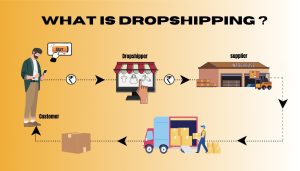
Because you don’t have to buy inventory upfront, you only purchase items after you’ve made a sale. This eliminates the risk of overstocking and ensures that your cash flow remains healthy.
2.4 Time-Saving Fulfillment
Drop shippers handle packaging, labeling, and shipping on your behalf. You’ll never need to visit the post office or manage shipping logistics again. Many drop shippers even allow you to include your brand name and logo on packages, keeping your brand identity consistent.
2.5 Wide Product Selection
A reliable drop shipper often provides access to thousands of products across multiple categories, from fashion and electronics to home décor and beauty. You can easily expand your product line without additional investment in stock.
2.6 Scalability
Since drop shippers handle fulfillment, it’s easy to scale your business quickly. As your sales grow, your workload doesn’t increase dramatically. You can handle hundreds of orders with the same amount of effort.
3. Choosing the Right Drop Shipper
The success of a dropshipping business depends heavily on selecting the right supplier. A reliable, transparent, and efficient drop shipper ensures smooth operations, customer satisfaction, and long-term profitability.
3.1 Researching Potential Drop Shippers
Before committing to a partner, it’s crucial to research and verify their credibility. Here’s how to do it:
- Check reviews and ratings – Look for feedback from other retailers.
- Verify business credentials – Use resources like the Better Business Bureau (BBB) or Trustpilot to confirm legitimacy.
- Test their customer service – Send a few inquiries to gauge response time and professionalism.
- Order sample products – This allows you to check the quality of packaging, product condition, and delivery time.
3.2 Red Flags to Avoid
Be cautious of drop shippers who:
- Charge excessive membership or setup fees.
- Have poor communication or delayed responses.
- Do not provide clear return policies.
- Offer products with no manufacturer information.
Avoiding unreliable suppliers protects your brand reputation and ensures a smooth experience for your customers.
3.3 The Importance of Product Quality
Remember, the customer associates the product’s quality with your brand, not the drop shipper’s. Always partner with suppliers who maintain consistent product standards and provide detailed descriptions, images, and tracking information.
4. How to Start a Successful Dropshipping Business
Building a thriving online store using drop shippers involves strategy, dedication, and attention to detail. Let’s explore the key steps.
4.1 Choose Your Niche Wisely
Your niche determines your target audience and profitability. Look for a market that balances high demand with manageable competition. Trending categories include:
- Health and wellness products
- Pet supplies
- Eco-friendly goods
- Smart home devices
- Fitness and outdoor gear
Use tools like Google Trends, SEMRush, and Ahrefs to analyze search volume and competition levels.
4.2 Build a Professional Online Store
A modern, user-friendly website is essential. Platforms like Shopify, WooCommerce, and BigCommerce make it easy to launch an online store without technical knowledge. Ensure that your website:
- Is mobile-optimized
- Loads quickly
- Has clear product categories
- Offers secure payment options
- Includes strong visuals and SEO-optimized descriptions
4.3 Partner with a Reputable Drop Shipper
Work with suppliers that specialize in your chosen niche. Consider directories such as SaleHoo, Doba, AliDropship, and Spocket, which connect retailers with verified wholesalers and manufacturers.
4.4 Focus on Branding and Marketing
Even though you don’t manufacture the products, branding makes your business stand out. Use social media, influencer marketing, and SEO-driven content to create trust and recognition.
Effective marketing strategies include:
- Running Facebook and Google ads to drive traffic
- Posting engaging TikTok or Instagram videos showcasing your products
- Writing blog posts and guides that answer customer questions
- Building an email list to promote sales and new arrivals
4.5 Provide Excellent Customer Service
Your relationship with customers doesn’t end after a sale. Respond promptly to inquiries, handle complaints with care, and provide tracking updates. Exceptional service builds loyalty and drives repeat business.
5. Staying Competitive in the Modern Dropshipping Landscape
The e-commerce market is more competitive than ever. To stay ahead, you must adapt to trends and invest in innovation.
5.1 Leverage Technology
Automation tools like Oberlo, DSers, and Zendrop simplify order processing, inventory management, and pricing updates. They allow you to manage multiple suppliers and track shipments in real-time.
5.2 Analyze Market Trends
Consumer preferences change rapidly. Use analytics tools and surveys to monitor demand shifts. For example, the rise of eco-conscious shopping and sustainable packaging has created new opportunities in green e-commerce.
5.3 Offer Personalized Shopping Experiences
Integrate AI-based product recommendations, chatbots, and personalized emails to improve engagement. Customers value convenience and personalization, and technology helps you deliver both.
5.4 Build Long-Term Supplier Relationships
When you find a trustworthy drop shipper, nurture the relationship. Reliable communication, timely payments, and mutual respect can lead to better pricing, faster service, and exclusive deals.
6. Common Challenges and How to Overcome Them
While dropshipping is appealing, it’s not without challenges. Recognizing and addressing them early ensures smoother operations.
6.1 Low Profit Margins
Because competition can be intense, profit margins might be thin. Focus on niche products and value-added services like faster shipping or premium packaging to justify higher prices.
6.2 Inventory and Stock Issues
Since you rely on third-party suppliers, you may face inventory shortages. To prevent this:
- Work with multiple suppliers
- Use tools that sync inventory automatically
- Regularly communicate with your drop shippers about stock updates
6.3 Shipping Times
Many drop shippers operate internationally, which can result in longer delivery times. Offer transparent shipping information, and when possible, choose local or regional suppliers for faster delivery.
6.4 Returns and Refunds
Establish clear return policies and communicate them to your customers. Work with drop shippers who have efficient return procedures to minimize friction.
Conclusion
Dropshipping has transformed the landscape of modern retail, empowering individuals and small businesses to launch online stores with minimal investment and risk. By leveraging the services of reputable drop shippers, entrepreneurs can focus on branding, marketing, and customer relationships while suppliers handle logistics and fulfillment.
However, success in dropshipping depends on careful planning — selecting reliable partners, maintaining high product standards, and keeping up with market trends. When managed strategically, dropshipping can become not only a profitable business model but also a sustainable long-term venture.
With the right approach, research, and dedication, anyone can build a thriving e-commerce brand that delivers value to customers worldwide — without ever needing a warehouse.
Secrets of Million-Dollar Sales Letters