
 By admin
Introduction: The Modern Power of PPC in Affiliate Marketing
In the fast-evolving world of digital marketing, Pay-Per-Click (PPC) advertising stands as one of the most powerful tools for generating targeted traffic and maximizing profits. Once considered an optional marketing strategy, PPC has now become a core component of successful affiliate marketing businesses. Whether you’re a beginner affiliate or a seasoned marketer, mastering PPC can dramatically enhance your income potential, visibility, and conversion rates.
According to recent reports, global spending on PPC advertising exceeded $190 billion in 2024, with projections continuing to rise as more businesses turn to search-based paid advertising. Platforms like Google Ads, Microsoft Advertising (Bing), and social networks have refined PPC targeting to reach audiences more precisely than ever before.
But how does PPC actually work, and why should affiliate marketers prioritize it as part of their monetization strategy? Let’s explore how integrating PPC into your affiliate marketing business can unlock streams of consistent and scalable revenue.
Understanding PPC and Its Role in Digital Advertising
What Is PPC (Pay-Per-Click) Advertising?
Pay-Per-Click (PPC) advertising is a model where advertisers pay a fee each time someone clicks on their ad. It’s essentially a way of buying visits to your site, rather than earning them organically through SEO. PPC ads appear on search engines, websites, and social platforms, targeting users actively searching for specific products, services, or information.
The most popular PPC platforms include:
- Google Ads (formerly AdWords)
- Microsoft Advertising (formerly Bing Ads)
- Facebook and Instagram Ads
- LinkedIn and Twitter Ads
- Native Advertising Networks like Taboola or Outbrain
These platforms allow advertisers to bid on specific keywords, demographics, or interests. When users perform a search or browse content that matches the targeting criteria, the advertiser’s ad is displayed—often at the top of the search results or in prominent online spaces.
How PPC Search Engines Work
PPC search engines operate on a bidding system. Each advertiser decides how much they are willing to pay per click for a particular keyword or phrase. When multiple advertisers target the same keyword, the one with the highest bid (combined with ad relevance and quality score) gets the top spot.
For example:
- Advertiser A bids $2.00 per click on “fitness supplements.”
- Advertiser B bids $1.50 for the same keyword.
- Advertiser A’s ad will likely appear above B’s, assuming both ads are relevant and well-optimized.
These rankings are not permanent—they shift dynamically based on bidding amounts, competition, and user engagement.
Why PPC Is a Game-Changer for Affiliates
For affiliate marketers, PPC provides a shortcut to targeted traffic. Unlike organic SEO, which can take months to build, PPC can deliver immediate visibility. With the right strategy, you can:
- Drive qualified leads to your affiliate offers.
- Reach users actively searching for products you promote.
- Test campaigns quickly and refine them for higher ROI.
- Scale your business faster with measurable results.
Integrating PPC into Your Affiliate Marketing Strategy
How PPC Affiliate Programs Work
Affiliate programs traditionally pay commissions based on sales or leads generated from your referrals. With PPC integration, you can earn not only from sales but also from click-throughs generated on your website or ads.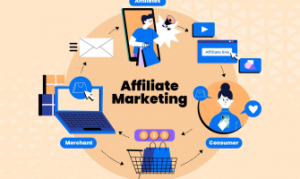
Here’s how it works:
- You join an affiliate network or program (like Amazon Associates, ClickBank, or CJ Affiliate).
- You incorporate PPC advertising to drive traffic to your affiliate links or landing pages.
- When users click on your ads and purchase a product or perform a desired action, you earn a commission.
In some hybrid affiliate programs, you can even earn click-based commissions—meaning you get paid for every click, not just for completed sales.
Why PPC Makes Affiliate Marketing Easier and More Profitable
The beauty of PPC lies in its immediate scalability and measurable ROI. While traditional affiliate programs rely heavily on organic traffic or email marketing, PPC allows affiliates to:
- Control their traffic sources
- Reach niche audiences faster
- Test multiple campaigns simultaneously
- Optimize keywords, ad copy, and targeting in real time
By using PPC, affiliates can monetize both interested and non-interested visitors. Even if a visitor doesn’t buy, clicks on related PPC ads can still generate income. This ensures that no website traffic goes to waste.
The Dual Benefit: Earning and Promoting Simultaneously
PPC not only generates commissions—it can also help promote your brand or website. Many affiliate PPC programs allow you to reinvest your earnings directly into further advertising. This creates a self-sustaining cycle of revenue generation and traffic growth.
For instance, if you earn $100 in PPC commissions, you can reinvest part of it into Google Ads or Bing Ads to bring more qualified visitors. This flywheel effect amplifies your exposure and long-term earning potential.
Tools and Techniques for PPC Affiliate Success
1. Keyword Research and Optimization
Keywords are the heart of PPC. The more targeted your keywords, the better your click-through and conversion rates will be. Tools like:
- Google Keyword Planner
- Ahrefs
- SEMrush
- Ubersuggest
…can help identify high-performing, low-competition keywords that align with your affiliate products. Focus on long-tail keywords (e.g., “best protein powder for women”) rather than short, highly competitive ones (“protein powder”).
2. Crafting High-Converting Ad Copy
Your ad copy must grab attention and inspire clicks. To achieve that:
- Include the main keyword in your headline.
- Add a clear call-to-action (CTA) (“Shop Now,” “Learn More,” “Get 20% Off”).
- Highlight unique benefits or limited offers.
- Maintain relevance between the ad and landing page.
Example:
Headline: Top-Rated Fitness Supplements for 2025
Description: Boost your performance with our expert-recommended supplements. Exclusive discounts available today. Click to learn more!
3. Landing Page Optimization
Once users click your ad, your landing page must convert visitors into buyers or leads. A high-converting landing page should include:
- A clear and concise message.
- Engaging visuals and trust indicators (testimonials, reviews, badges).
- Fast loading speed and mobile responsiveness.
- A prominent CTA button guiding the user’s next step.
4. Tracking and Analytics
Use tools like Google Analytics, Facebook Pixel, and affiliate dashboards to monitor:
- Click-through rates (CTR)
- Cost per click (CPC)
- Conversion rates (CR)
- Return on ad spend (ROAS)
This data helps you identify what works and what needs improvement—allowing you to continually optimize for better results.
5. Smart Budgeting and Scaling
Start with a small testing budget. Once you identify winning campaigns, scale them gradually. Allocate more funds to high-performing ads while discontinuing underperforming ones. Use A/B testing to refine your approach continually.
Common Mistakes to Avoid in PPC Affiliate Marketing
Even though PPC is powerful, it’s easy to lose money if you’re not careful. Avoid these common pitfalls:
- Ignoring Quality Score: Poorly optimized ads with irrelevant keywords lead to high CPC and low visibility.
- Using Broad Match Keywords Only: These can attract irrelevant clicks. Use phrase or exact match for better targeting.
- Neglecting Negative Keywords: Always exclude keywords unrelated to your offer (e.g., “free,” “cheap,” “DIY”) to reduce wasteful clicks.
- Sending Traffic to the Homepage: Always direct users to a specific landing page that matches their search intent.
- Not Tracking ROI: Without data analysis, you can’t know if your PPC efforts are truly profitable.
The Future of PPC in Affiliate Marketing
The PPC landscape is evolving with AI-driven automation, voice search, and predictive analytics. Platforms like Google and Meta now use machine learning algorithms to optimize ad placements, improve targeting accuracy, and reduce costs.
For affiliate marketers, this means:
- More intelligent bidding strategies.
- Dynamic ad customization based on user behavior.
- Voice-activated search ads becoming more relevant.
- Easier ways to create multi-platform ad campaigns.
Incorporating these innovations can give you a competitive edge in the ever-changing digital marketing world.
Conclusion: Turning Clicks into Profits
Integrating PPC into your affiliate marketing strategy is one of the smartest ways to maximize your online revenue. It allows you to reach the right audience, scale campaigns quickly, and monetize traffic efficiently—even from visitors who don’t initially convert.
By using advanced tools, smart bidding strategies, and continuous optimization, you can transform your affiliate business into a consistent and sustainable source of income. PPC is not just about buying traffic—it’s about buying the right traffic and turning every click into a potential profit.
So, don’t overlook the opportunity to make your affiliate business thrive with PPC. Start small, experiment wisely, and watch your earnings grow in ways you never imagined.
Build a Profitable Online Store