
 By admin
The Differences Between Mules, Donkeys, and Foals: A Comprehensive Modern Guide
Introduction
Understanding the distinctions between mules, donkeys, and foals is essential for anyone interested in animal husbandry, agricultural history, or the evolution of domesticated working animals. Although these three animals are often confused due to their physical similarities and interconnected lineage, each has a unique origin, purpose, and biological profile. Their roles in agriculture, transportation, and rural economies have shaped human civilization for thousands of years.
Modern scientific research has also expanded our understanding of their genetics, behavior, and physical capabilities, revealing why mules are famously strong, why donkeys are remarkably tough in harsh environments, and how foals develop before reaching full maturity. This comprehensive article explores their origins, biological characteristics, strengths, differences, and their importance in today’s world, integrating modern information supported by animal science and contemporary agricultural research.
Main Sections
1. Origins and Genetic Background
1.1 The Donkey: One of Humanity’s Oldest Domesticated Animals
The donkey (Equus africanus asinus) traces its origins to the African wild ass. Archaeological findings suggest that donkeys were domesticated more than 6,000 years ago in Northeast Africa. They quickly became essential for transporting goods in desert regions thanks to their resilience in dry and harsh climates.
Key characteristics of donkeys’ origin include:
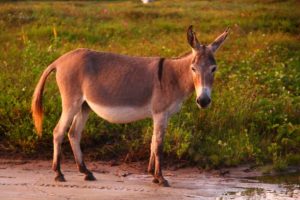
- Descendants of African wild asses living near the Nile and Horn of Africa
- Historically used for long-distance trade across desert routes
- Developed exceptional stamina and resistance to heat
1.2 The Horse: The Other Parent in Hybrid Generations
The horse (Equus ferus caballus) plays a critical role in producing one of the hybrid animals discussed in this guide. Horses have been domesticated for more than 5,500 years and are known for their speed, endurance, and social nature.
Horses contribute significant genetic advantages when crossbred, which become evident in the mule’s physical strength and size.
1.3 The Mule: A Hybrid of Strength and Intelligence
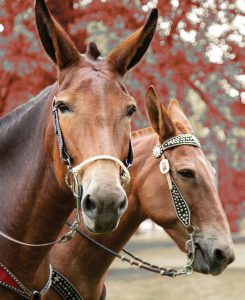
A mule is the offspring of a male donkey (jack) and a female horse (mare). This combination merges the hardiness of donkeys with the size and strength of horses.
Why mules are hybrid:
- 63 chromosomes (horse has 64; donkey has 62)
- Sterile due to uneven chromosome pairing
- Benefit from “hybrid vigor,” meaning they often exceed the physical capabilities of both parents
1.4 The Foal: Not a Species, but a Stage of Life
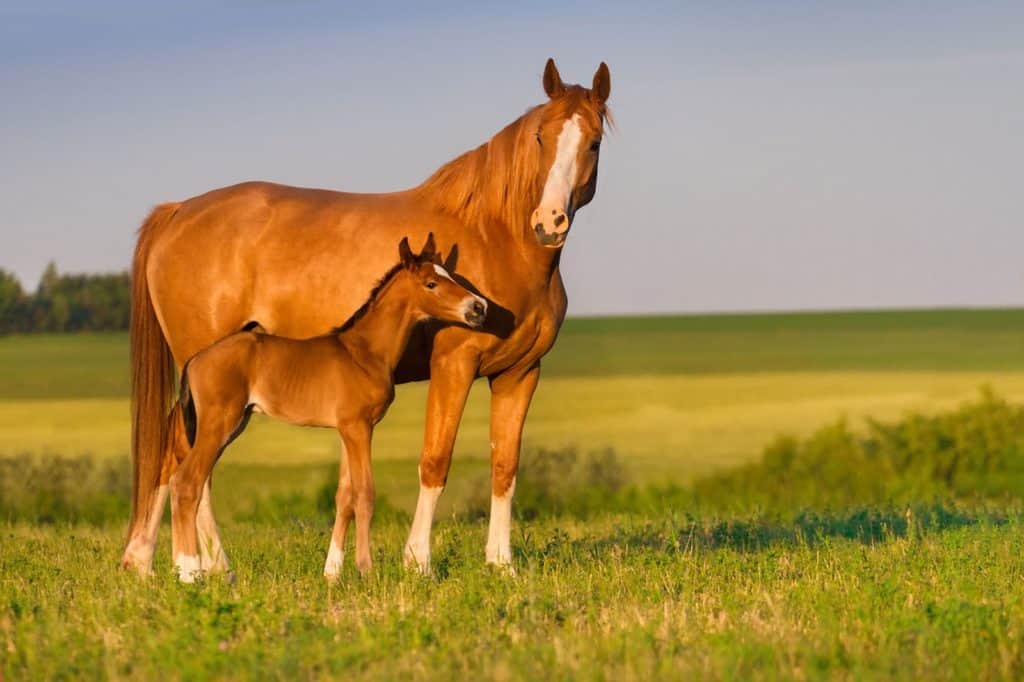
A foal refers to any young horse, donkey, or hybrid up to one year old. It is a term describing age, not species. This is the most common source of confusion, as many people assume “foal” is a different animal rather than a juvenile stage.
Foals can be:
- Horse foals
- Donkey foals
- Mule foals (rare but possible)
2. Physical Characteristics
2.1 Donkey Appearance
Donkeys have a distinct set of physical traits that differentiate them from horses and mules:
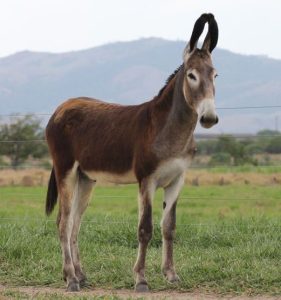
- Long ears that help with heat dissipation
- Short mane that stands upright
- Stocky body with strong legs
- Typically grey, brown, or black coat
- Narrow hooves designed for rocky terrains
Modern research suggests that their hooves and body structure evolved to survive rocky, arid environments.
2.2 Mule Appearance
Mules visually appear somewhere between horses and donkeys, leaning depending on which parent’s traits dominate:
- Larger and more muscular than donkeys
- Shorter ears than donkeys but longer than horses
- Strong, durable legs suited for carrying heavy loads
- Coat colors vary widely depending on the mare’s breed
- Tail resembles a horse’s, while face and ears resemble a donkey’s
Mules are famous for their balanced proportions and powerful stature, making them ideal pack animals.
2.3 Foal Appearance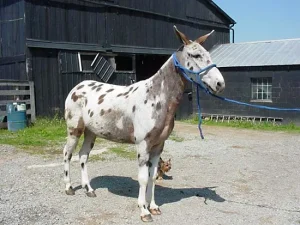
Since “foal” refers to age, appearance can vary:
- Large head relative to body
- Long, slender legs
- Soft coat
- Highly active and quick to stand after birth
Foals grow rapidly during their first year, making proper nutrition critical.
3. Behavioral Differences
3.1 Donkey Behavior: Intelligent and Cautious
Donkeys are often portrayed as stubborn, but this is a misconception. Modern studies show that donkeys practice self-preservation behavior—they analyze before reacting.
Behavior traits:
- Calm and cautious
- Strong memory
- Loyal to humans they trust
- Excellent at avoiding danger
3.2 Mule Behavior: Smart, Steady, and Loyal
Mules are considered one of the smartest domesticated working animals.
Behavior traits:
- High intelligence inherited from donkeys
- Calm temperament inherited from horses
- Less likely to panic
- Strong loyalty once bonded with owners
Their mental strength makes them perfect for mountainous or dangerous terrains.
3.3 Foal Behavior: Curious and Highly Energetic
Foals exhibit: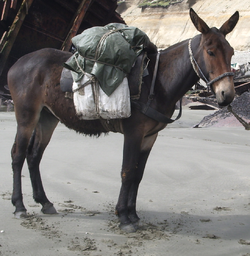
- Strong curiosity
- Playfulness
- Quick learning
- Social bonding with mother and herd
Behavior during early life determines future trainability.
4. Strength, Endurance, and Work Roles
4.1 Donkeys: Endurance Champions of Harsh Climates
Donkeys excel in:
- Desert regions
- Carrying light-to-medium loads
- Long journeys without much water
- Guarding livestock (especially against coyotes and dogs)
Their legendary endurance comes from efficient metabolism and heat regulation.
4.2 Mules: Superior Strength and Hybrid Vigor
Mules combine the best traits of both parents, resulting in unique advantages:
- Greater endurance than horses
- Stronger work capabilities than donkeys
- Ability to carry up to 20–30% of their body weight
- Excellent balance for mountain paths
For this reason, mules remain widely used in agriculture, tourism, rescue missions, and military operations.
4.3 Foals: Developing Strength Over Time
Foals do not work; they grow. Their early development determines future capabilities. Proper diet, exercise, and care build strong bones and muscles.
5. Modern Uses and Economic Importance
5.1 The Economic Role of Donkeys
Around the world, donkeys remain essential:
- Transportation in rural communities
- Agricultural plowing
- Tourism (riding and photo attractions)
- Dairy production (donkey milk industries)
- Leather industry (though controversial due to overexploitation)
Some countries now protect donkeys through welfare laws due to rising demand for their hides.
5.2 The Continued Relevance of Mules
Mules remain valuable worldwide for:
- Mountain tourism (trekking, trail rides)
- Transporting goods in remote areas
- Military logistics in challenging terrains
- Farming, pulling carts, and land preparation
Modern research highlights that mules require fewer veterinary interventions compared to horses.
5.3 Foals and Their Economic Influence
Foals represent investment for breeders:
- Future work animals
- Competitive sports prospects
- Breeding potential (except mule foals, which are sterile adults)
Proper early care protects long-term economic value.
6. Health and Longevity
6.1 Donkey Health
Donkeys can live 30–40 years with proper care. They require:
- Low-sugar diet
- Dental check-ups
- Parasite control
- Hoof trimming
Donkeys hide pain well, so regular veterinary monitoring is essential.
6.2 Mule Health
Mules also live 30–40 years and rarely suffer from diseases common to horses. Their hybrid genetics make them:
- Highly resistant to heat
- Less prone to colic
- Strong against infections
6.3 Foal Health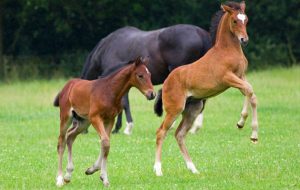
The first year is critical for all foals:
- Vaccination schedules
- Early nutrition
- Proper weaning
- Social development
Healthy foals grow into strong adults capable of various work or sport roles.
7. Key Differences Summarized
7.1 Biological Differences
| Feature | Donkey | Mule | Foal |
|---|---|---|---|
| Species | Undomesticated African wild ass descendant | Hybrid (donkey + horse) | Age category, not species |
| Chromosomes | 62 | 63 | Depends on parents |
| Fertility | Fertile | Sterile | N/A |
| Origin | Africa | Hybrid breeding | Birth stage |
7.2 Physical Differences
- Donkey: long ears, sturdy legs
- Mule: mixed features, stronger and taller
- Foal: young, growing, soft coat
7.3 Behavioral Differences
- Donkey: cautious
- Mule: intelligent and calm
- Foal: energetic
Conclusion
Understanding the differences between mules, donkeys, and foals provides valuable insights into their biology, history, and purpose in human civilization. Donkeys stand out for their endurance and resilience, mules for their impressive strength and intelligence, and foals for representing the early, essential stage of life for all equine species.
In the modern world, these animals continue to serve vital roles in agriculture, tourism, transportation, and rural economies. Scientific advancements in veterinary care, genetics, and behavioral studies have further deepened our appreciation of their unique capabilities and contributions.
By recognizing the distinctions among these animals, we not only appreciate their historical significance but also ensure their proper care, ethical treatment, and sustainable use for future generations.
Survival Skills That Inspired Global Folklore