
 By admin
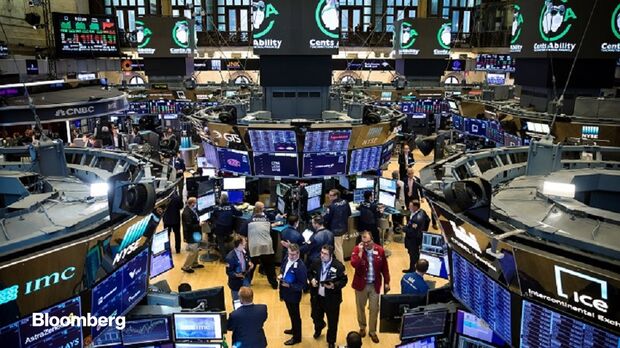
Wall Street: The Financial Engine of the Modern World
Introduction
Wall Street stands as one of the most influential financial hubs on the planet. More than a physical street in Lower Manhattan, Wall Street represents a global ecosystem of capital, investment, innovation, and economic decision-making. It is home to some of the world’s largest financial institutions, powerful regulatory bodies, and a massive network of investors who collectively shape the global economy. Over the past century, Wall Street has played a central role in economic growth, market stability, corporate expansion, and technological transformation in finance.
In today’s interconnected world, Wall Street’s impact extends far beyond New York City. Whether it’s stock market trends, cryptocurrency shifts, global investment flows, or decisions from the Federal Reserve, Wall Street’s influence reaches every corner of modern economic life. This article provides a comprehensive, updated, and professionally structured exploration of Wall Street’s history, its institutions, its cultural and economic significance, and its evolving role in the digital financial age.
Main Body
1. The Origins and Evolution of Wall Street
1.1 Historical Foundations
Wall Street’s story began in the 17th century when Dutch settlers built a wooden wall to protect the young colony of New Amsterdam. Although the wall was eventually dismantled, the name “Wall Street” endured. Over time, the area transformed into a bustling center of commerce and trade, marking the beginning of New York’s financial rise.
1.2 The Buttonwood Agreement
In 1792, twenty-four brokers signed the Buttonwood Agreement, establishing rules for trading securities and laying the foundations for what would later become the New York Stock Exchange (NYSE). This agreement formalized stock trading at a time when America’s economy was rapidly growing and modernizing.
1.3 Growth Into a Global Powerhouse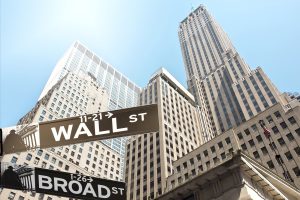
By the late 19th and early 20th centuries, Wall Street had become the financial capital of the world. Massive industrial expansions, railroads, oil companies, and manufacturing giants all relied on Wall Street to raise capital. The region’s dominance grew as the United States solidified its status as an economic superpower.
2. Key Institutions That Define Wall Street
2.1 New York Stock Exchange (NYSE)
Known as the largest stock exchange in the world, the NYSE symbolizes the strength and credibility of the U.S. economy. It attracts global corporations seeking to list their shares and investors seeking liquidity and stability.
2.2 Nasdaq Stock Market
Nasdaq, launched in 1971, became the world’s first electronic stock exchange. It revolutionized trading through automation and digital platforms. Nasdaq is known for listing the world’s leading technology companies, including Apple, Amazon, Alphabet, and Meta.
2.3 Major Investment Banks
Wall Street hosts powerful investment banks that shape mergers, acquisitions, IPOs, and global investment strategies. These include:
- Goldman Sachs
- Morgan Stanley
- JPMorgan Chase
- Bank of America Merrill Lynch
- Citigroup
These institutions offer financial advisory services, wealth management, securities trading, and risk management.
2.4 Hedge Funds and Asset Management Firms
Wall Street is home to the largest hedge funds and asset managers, including BlackRock, Vanguard, and Bridgewater Associates. These firms manage trillions of dollars in global assets and influence corporate decisions, international markets, and government policies.
2.5 Regulatory Bodies
To ensure transparency and protect investors, Wall Street operates under the oversight of institutions such as:
- Securities and Exchange Commission (SEC)
- Federal Reserve (The Fed)
- Financial Industry Regulatory Authority (FINRA)
These organizations enforce laws, regulate trading activities, and ensure market stability.
3. How Wall Street Shapes the Global Economy
3.1 Capital Formation and Corporate Growth
Wall Street enables companies to raise capital by issuing stocks and bonds. This funding fuels corporate growth, innovation, and expansion into new markets. Without Wall Street, global corporations would struggle to reach their potential.
3.2 Job Creation and Economic Development
The financial markets create millions of jobs directly and indirectly. Investment in businesses leads to the hiring of workers, development of new technologies, and improvement of local economies.
3.3 Global Investment Flows
Wall Street connects investors from around the world through international capital markets. Whether in Asia, Europe, or Africa, global investors monitor Wall Street trends when making financial decisions.
3.4 Financial Indicators and Market Sentiment
Indexes such as:
- Dow Jones Industrial Average
- S&P 500
- Nasdaq Composite
play a crucial role in measuring economic health. Movements in these indices influence everything from consumer confidence to global investment decisions.
4. The Culture and Symbolism of Wall Street
4.1 The Charging Bull
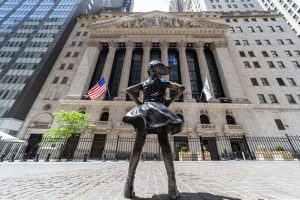
The bronze “Charging Bull” statue near Bowling Green Park has become an international symbol of aggressive financial optimism and the power of the markets. Tourists and investors alike associate the bull with rising stock markets and economic growth.
4.2 “The Wolf of Wall Street” and Media Representations
Wall Street’s culture has been portrayed in countless films, books, and documentaries. Movies like The Wolf of Wall Street, Wall Street, and Margin Call depict the ambition, risk-taking, and sometimes ethical challenges associated with high finance.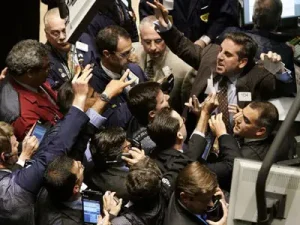
4.3 Lifestyle and Work Culture
Wall Street professionals are known for long working hours, high-pressure environments, and competitive careers. While demanding, these careers offer prestige, high salaries, and influence in global finance.
5. Major Crises That Shaped Wall Street
5.1 The Great Depression (1929)
The 1929 stock market crash triggered the Great Depression, one of the most devastating economic events in modern history. It led to widespread unemployment, bank failures, and severe economic contraction.
5.2 The 1987 Crash: Black Monday
In October 1987, global stock markets suffered a massive one-day drop. The event highlighted the risks of computerized trading and led to reforms designed to stabilize markets during rapid declines.
5.3 The 2008 Financial Crisis
The collapse of major banks, mortgage lenders, and insurance companies triggered a global recession. It exposed weaknesses in risk management, derivatives trading, and mortgage-backed securities. The crisis led to new regulations, including the Dodd-Frank Act, designed to increase transparency and prevent future collapses.
6. Wall Street in the Digital Age
6.1 The Rise of Fintech
Financial technology—commonly known as fintech—has transformed banking, investment, and personal finance. Companies like PayPal, Square, and Robinhood have revolutionized how people access financial services.
6.2 Algorithmic and High-Frequency Trading
Today, much of Wall Street’s trading is executed by algorithms capable of analyzing massive amounts of data and completing trades in milliseconds. High-frequency trading has increased liquidity but also raised concerns about market fairness.
6.3 Cryptocurrency and Blockchain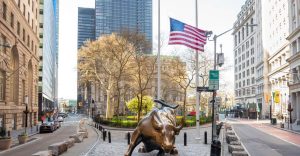
Wall Street has seen increasing integration with blockchain technology and cryptocurrencies such as Bitcoin and Ethereum. Major institutions now offer crypto investment services, signaling a shift toward digital assets in mainstream finance.
6.4 Artificial Intelligence in Finance
AI powers everything from fraud detection to investment forecasting. Wall Street firms use machine learning to enhance trading strategies, improve risk assessment, and optimize portfolio management.
7. Challenges Facing Wall Street Today
7.1 Market Volatility
Geopolitical tensions, inflation, interest rate changes, and global conflicts contribute to unpredictable market movements. Wall Street must continuously adapt to fast-changing economic conditions.
7.2 Regulatory Pressures
Governments around the world are pushing for stricter financial regulations to prevent fraud, protect investors, and ensure fair trading environments.
7.3 Competition from Global Financial Centers
Cities like London, Hong Kong, Singapore, and Dubai are emerging as major financial hubs. Despite its dominance, Wall Street faces increasing global competition.
7.4 Public Perception
Many people criticize Wall Street for income inequality, corporate greed, and lack of transparency. Improving trust remains a long-term challenge.
8. The Future of Wall Street
8.1 Digital Transformation
Wall Street continues to integrate advanced technologies such as blockchain, artificial intelligence, and quantum computing. These technologies are expected to redefine market operations and financial services.
8.2 Sustainable and Ethical Investing
Environmental, Social, and Governance (ESG) investing is becoming a priority. Investors increasingly seek companies that demonstrate sustainability, ethical governance, and social responsibility.
8.3 Global Integration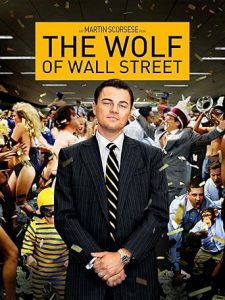
Wall Street’s future will depend on its ability to adapt to an interconnected global economy. International partnerships and cross-border capital flows will shape the next generation of financial markets.
8.4 A More Inclusive Financial Market
Technological advancements are creating broader access to financial tools, allowing individual investors to participate in markets previously dominated by institutions.
Conclusion
Wall Street remains the powerhouse of global finance. From its humble origins in colonial America to its current status as the world’s most influential financial center, Wall Street has shaped economies, enabled corporate growth, and driven innovation across countless industries. Despite challenges such as market volatility, public criticism, and competition from other financial hubs, Wall Street continues to evolve and adapt.
Its future lies in technology, sustainability, and global cooperation. As long as the world depends on investment, innovation, and financial growth, Wall Street will continue to play a central role in defining the economic pathways of nations and businesses. Understanding Wall Street means understanding the heartbeat of the global economy.
The Social Media Strategy Playbook for Brands