
 By admin

The Wildlife of Foxes and Why They Became a Symbol of Cunning and Deception
Introduction
Foxes have fascinated human societies for thousands of years. Their striking appearance, elusive behavior, and mysterious presence in wild landscapes have made them one of the most iconic animals in global folklore, literature, and cultural symbolism. Across continents and throughout history, the fox has consistently been portrayed as clever, sly, and cunning—an animal capable of both intellectual brilliance and calculated deception. This reputation is deeply rooted in the natural behavior of foxes in the wild, where their survival depends on strategy, adaptability, stealth, and impressive problem-solving abilities.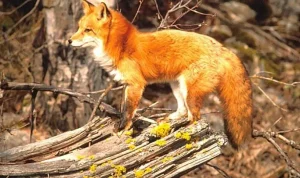
This article explores the wildlife of foxes in depth—how they live, hunt, communicate, and adapt to rapidly changing environments. It also examines why human cultures across the world have associated foxes with cleverness and trickery, and how these traits reflect the realities of fox behavior. Understanding the biology, ecology, and natural intelligence of foxes reveals why they have earned such a lasting symbolic place in our collective imagination.
Foxes in the Wild: A Comprehensive Look at Their Natural World
1. Species Diversity and Global Distribution
1.1 A Wide Family with Unique Traits
Foxes belong to the Canidae family, which includes wolves, coyotes, and domestic dogs. The most well-known fox species is the red fox (Vulpes vulpes), but there are over 30 recognized species around the world. Each species has adapted to its ecological niche with unique features in size, fur color, diet, and behavior.
1.2 Their Astonishing Global Reach
Foxes live on almost every continent—and in nearly every ecosystem. They thrive in:
- Dense forests
- Deserts
- Arctic tundra
- Grasslands
- Mountain ranges
- Agricultural areas
- Suburban and urban environments
Their extraordinary adaptability is one of the core traits that support their reputation for cleverness.
2. Physical Characteristics That Support Survival
2.1 Keen Senses and Silent Movement
Foxes are equipped with exceptional senses:
- Hearing: They can detect prey underground or beneath snow.
- Vision: Excellent night vision allows them to hunt in the dark.
- Smell: Strong scent detection helps them track food and avoid predators.
Their lightweight frames and padded paws enable silent movement, allowing them to approach prey undetected and escape danger efficiently.
2.2 Specialized Features Across Species
Some examples include:
- Arctic foxes: Thick fur and seasonal color changes for camouflage.
- Fennec foxes: Huge ears for heat dissipation and acute desert hearing.
- Gray foxes: Unique ability to climb trees to escape predators or reach food.
These specialized characteristics show a high level of evolutionary intelligence and adaptation.
3. Diet and Hunting Behavior
3.1 Opportunistic and Intelligent Hunters
Foxes are omnivores and adapt their diet depending on availability. Their meals may include:
- Small mammals
- Birds and eggs
- Insects
- Fruits and berries
- Reptiles

- Carrion
- Human leftovers in urban settings
This flexible diet reduces competition and enables foxes to survive in nearly any environment.
3.2 Strategic Hunting Techniques
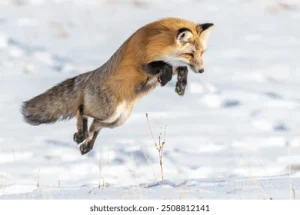
Foxes are known for their creative hunting methods. One famous example is the “pounce,” where a fox leaps into the air and lands precisely on hidden prey. Scientists believe foxes use Earth’s magnetic field to improve hunting accuracy, demonstrating a remarkable instinctual intelligence.
4. Social Behavior and Communication
4.1 Mostly Solitary But Highly Socially Skilled
Unlike wolves, foxes do not typically travel in packs. They are mostly solitary hunters but maintain complex family structures during mating and pup-rearing seasons. They can also form loose social groups when food sources are abundant.
4.2 Wide Range of Vocalizations
Foxes communicate using more than 20 different vocal sounds, including:
- Barks
- Screams
- Howls
- Chirps
- Yelps
These sounds help them warn of danger, attract mates, or call pups.
4.3 Body Language and Scent Marking
Foxes use tail positions, ear movements, and facial expressions to send signals. They also use scent marking to define territory and convey identity, gender, and reproductive status.
5. Reproduction and Family Life
5.1 Seasonal Mating and Denning
Foxes mate once a year, usually in winter. After birth, the vixen remains in the den with her pups while the male provides food. This cooperative parenting demonstrates strategic planning and coordinated survival behavior.
5.2 Teaching Survival Skills
Fox pups learn critical hunting and survival skills through play. Parents sometimes bring live prey to teach pups to stalk, chase, and capture. These learning processes highlight foxes’ intelligence and ability to transfer knowledge across generations.
6. Adaptation to Human Environments
6.1 Foxes in Urban and Suburban Areas
Foxes are increasingly common in cities worldwide. They navigate traffic, scavenge safely, avoid domestic animals, and sometimes create dens under sheds or abandoned structures. Their ability to interpret human behavior—such as avoiding busy streets or recognizing feeding patterns—shows high cognitive adaptability.
6.2 Human-Fox Interactions
While generally shy, urban foxes can become more comfortable around people, especially where food is available. Still, they maintain caution and avoid unnecessary risks, reinforcing their reputation for being calculated and clever.
Why Foxes Became a Symbol of Cunning and Deception
7. Behavioral Traits That Inspire the Symbolism
7.1 Stealth and Silent Movement
Foxes’ ability to move quietly, disappear quickly, and avoid confrontation makes them appear mysterious and unpredictable.
7.2 Problem-Solving Intelligence
Studies show that foxes are capable of:
- Memory-based foraging
- Pattern recognition
- Route planning
- Using objects to reach food
These traits showcase strategic thinking, similar to the cunning attributed to them in myths.
7.3 Escape and Survival Strategies
Foxes can trick predators by:
- Doubling back on their tracks
- Zig-zag running to confuse attackers
- Hiding in small dens
- Swimming across rivers

- Climbing (in the case of gray foxes)
These natural strategies appear almost “deceptive” from a human perspective.
8. Foxes in Global Folklore and Mythology
8.1 The Fox in Western Cultures
In European folklore, foxes are portrayed as clever tricksters who use intelligence to gain advantage. Fables like Aesop’s “The Fox and the Grapes” solidified their symbolic role as crafty thinkers.
8.2 The Fox in Eastern Traditions
In Asia, the fox takes on even deeper symbolism:
- China: The huli jing—shape-shifting fox spirits.
- Japan: Kitsune—magical foxes known for intelligence and transformation.
- Korea: Kumiho—foxes that can take human form.
These myths attribute supernatural cunning to foxes, linking them to wisdom, deception, and mystery.
8.3 North American Indigenous Beliefs
Native American tribes view the fox as a helper, protector, or trickster depending on the tribe. Foxes may represent adaptive intelligence and survival skills.
9. Scientific Explanations Behind the “Cunning” Reputation
9.1 Observational Behavior
Farmers observed foxes stealing chickens with remarkable stealth, leading to expressions like “sly as a fox.” Their ability to slip into henhouses unnoticed and escape without being caught demonstrated high intelligence compared to other wild animals.
9.2 Cognitive Adaptability
Research indicates foxes can quickly learn new behaviors, adapt to unfamiliar environments, and remember food locations for long periods.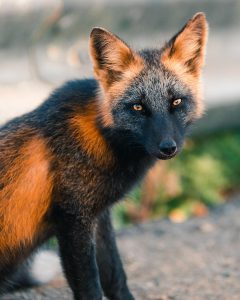
9.3 Emotional Intelligence
Foxes also show elements of emotional awareness, such as recognizing threats, assessing risks, and adjusting behaviors based on past experiences.
Conclusion
Foxes have earned their reputation as symbols of cunning, intelligence, and deception through thousands of years of observation, storytelling, and shared cultural experience. Their natural behavior—marked by stealth, agility, adaptability, and problem-solving—is not only impressive from a biological perspective but also deeply inspiring from a human one. Whether navigating the wild, raising their young, outwitting predators, or adapting to modern cities, foxes continually demonstrate traits that appear calculated and clever.
Their portrayal in folklore and myth is ultimately a reflection of real behaviors observed in nature. The fox is not just a symbol of trickery; it is a survivor, a strategist, and one of the most adaptable creatures in the animal kingdom. Understanding the wildlife of foxes helps us appreciate why this extraordinary animal continues to captivate the human imagination across cultures and generations.
How Snakes Perceive Sound Through Their Bones