
 By admin
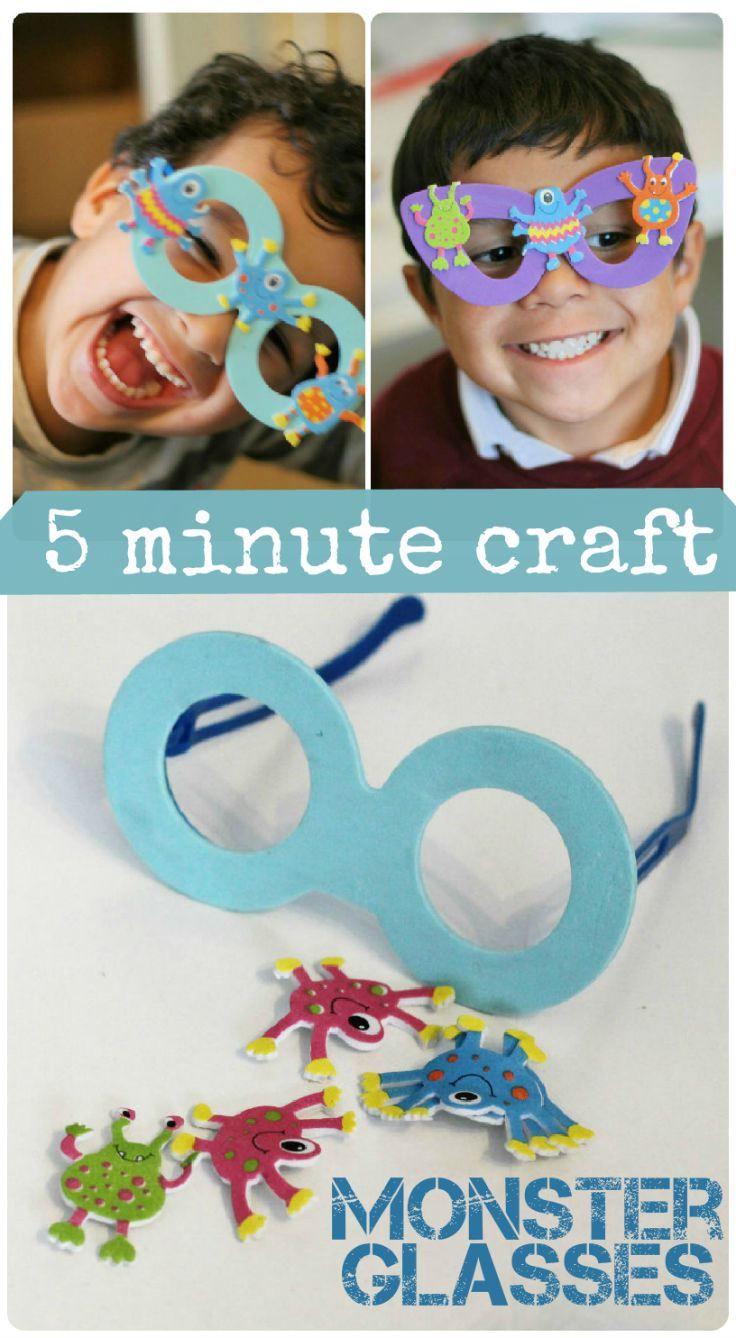
How to Make a Foam Sheet Glasses Case
Introduction
Arts and crafts activities play a crucial role in stimulating creativity, enhancing fine motor skills, and fostering a sense of accomplishment among children, teenagers, and adults alike. Whether you are a camp director seeking a fresh hands-on project, a schoolteacher looking for an engaging classroom activity, or a homeschool parent wanting a fun and educational craft idea, foam-based projects offer an ideal blend of simplicity, affordability, and creativity. Even recreation directors in senior centers or nursing homes can incorporate these crafts to promote social interaction, cognitive stimulation, and hand coordination among older adults.
One of the most versatile and enjoyable craft ideas is creating a foam sheet glasses case, a project that is easy enough for beginners yet customizable enough to spark creativity among more advanced crafters. This project can function as a glasses holder, a thoughtful handmade gift, or a charming necklace purse for children. With only a few simple materials—foam sheets, yarn or lanyard lace, plastic needles, and basic decorations—this craft becomes a practical and enjoyable activity suitable for all ages.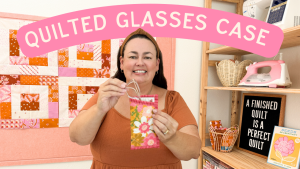
In this professionally rewritten and expanded article, we will explore how to create a foam sheet glasses case step-by-step, provide creative design options, and offer educational and developmental insights that make this craft an excellent choice for groups and individuals. We will also introduce safety considerations, age-appropriate variations, and suggestions for adapting the activity to different themes and events. Let’s dive into this fun and budget-friendly arts and crafts idea that brings creativity to life!
Main Content
1. Why Foam Sheet Crafts Are Perfect for All Ages
1.1 Safe, Soft, and Easy to Use
Craft foam is one of the most beginner-friendly materials available. Its soft texture prevents accidental cuts, and it is flexible enough for children to handle with ease. Foam sheets do not require sharp tools, making them well-suited for classrooms, camps, and senior activity centers.
1.2 Affordable and Easily Accessible
Foam sheets can be found at most craft stores or purchased in bulk online. They come in a wide range of colors, making them perfect for themed projects, holidays, or personalized artistic expression.
1.3 Encourages Creativity and Fine Motor Development
Tracing, cutting, decorating, and stitching foam shapes help improve children’s fine motor skills, hand-eye coordination, and creative thinking. For seniors, these tasks can help maintain dexterity and cognitive function.
1.4 Customizable for Events and Learning Themes
This craft can be adapted for educational programs, holiday events, religious lessons, or themed camps. Whether the theme is ocean exploration, space, animals, or a cowboy adventure, foam decorations can be chosen to match the occasion.
2. Materials Needed for the Foam Sheet Glasses Case
Creating a foam sheet glasses case requires only a few inexpensive materials, making it an excellent craft for large groups.
2.1 Basic Materials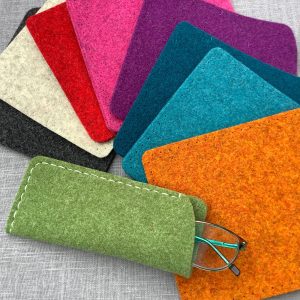
- Craft foam sheets (various colors preferred)
- Plastic or blunt needles
- Yarn or lanyard lace
- Hole punch
- Scissors
- Craft glue or hot-glue gun (for older crafters)
- Decorative foam shapes, beads, sequins, or stickers
2.2 Foam Sheet Measurements
For each glasses case:
- Cut two rectangles measuring 3.5 inches (9 cm) by 6 inches (15 cm).
- These pieces form the front and back of the glasses case.
3. Step-by-Step Instructions
3.1 Preparing the Foam Pieces
3.1.1 Cutting the Rectangles
Using scissors, cut two identical foam rectangles. Precision is important so that the pieces align perfectly when stitched together.
3.1.2 Punching the Holes
Use a hole punch to create holes around three edges of each rectangle.
- Leave one short side without holes—this will be the opening of the case.
- Space the holes ½ inch (1.2 cm) apart.
- Leave at least ¼ inch (0.6 cm) between each hole and the foam edge to prevent tearing.
- Make sure the holes are aligned on both foam pieces to allow for easy stitching.
3.1.3 Tips for Younger Children
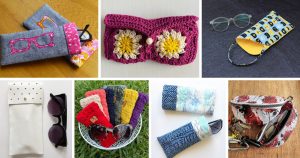
If the project is for children under age 7, it is best for the instructor to punch the holes ahead of time. Older children can usually handle the hole-punching with supervision.
3.2 Decorating the Foam Pieces
This step is where creativity truly shines. Before stitching the case together, allow crafters to personalize their foam rectangles with fun designs.
3.2.1 Using Pre-Cut Foam Shapes
To save time, you can purchase packs of pre-cut foam shapes. These come in themes such as animals, flowers, geometric shapes, sports, or holiday icons.
3.2.2 Cutting Custom Shapes
Crafters may cut their own shapes from leftover foam sheets—stars, hearts, letters, cartoon characters, or abstract designs.
3.2.3 Themed Decorations for Special Events
If the craft is part of a themed day or camp, select shapes that match the theme.
Examples:
- Cowboy theme: boots, hats, cacti, sheriffs’ stars
- Ocean theme: fish, waves, shells
- Space theme: rockets, planets, stars
- Nature theme: trees, leaves, butterflies
3.2.4 Embellishments for Older Students or Adults
Older crafters may enjoy adding beads, sequins, glitter glue, or rhinestones for a stylish and polished appearance.
3.3 Stitching the Case Together
Once the foam is decorated, it’s time to assemble the glasses case.
3.3.1 Threading the Needle
Use plastic needles for safety.
You can choose between:
- Yarn: softer, easier for kids to work with
- Lanyard lace: firmer and glossy, giving a more polished look
3.3.2 Safe Alternative: The Bobby Pin Needle
For young children, a bobby pin can be used instead of a needle.
- Thread the yarn through the looped end.
- Use the open end as the “needle point.”
This prevents any risk of poking accidents.
3.3.3 Lacing the Foam Pieces
Align the two foam rectangles. Start stitching from one corner and weave the yarn or lace through each pair of holes until all three sides are securely joined.
Tie a knot at the end to prevent unraveling.
3.4 Optional: Turning the Glasses Case into a Necklace Purse
Many children love the idea of wearing their creations. Turning the glasses case into a necklace purse is simple and adds extra functionality.
3.4.1 Adding the Strap
- Cut a long piece of lanyard lace or yarn.
- Tie each end to the upper corners of the case.
This creates a comfortable necklace-style strap.
3.4.2 Uses for the Necklace Purse
Children can use the purse to store:
- Secret notes
- Tiny toys
- Crayons or pencils
- Stickers
- Mini snacks
- Small treasures from nature walks
This variation increases the appeal of the project and encourages imaginative play.
4. Educational and Developmental Benefits
4.1 Benefits for Children
4.1.1 Enhancing Fine Motor Skills
Cutting, threading, and lacing are excellent activities for developing hand strength and dexterity.
4.1.2 Encouraging Creativity and Self-Expression
Children can choose colors, shapes, and decorations, making each glasses case a unique creation.
4.1.3 Building Confidence and Independence
Completing a project from start to finish gives children a sense of pride and ownership.
4.1.4 Supporting Cognitive Development
The project helps improve pattern recognition, sequencing, planning, and problem-solving skills.
4.2 Benefits for Seniors
4.2.1 Maintaining Hand Mobility
The gentle movements required for stitching and decorating help preserve joint mobility.
4.2.2 Social Engagement
Craft sessions encourage interaction and bonding among residents in senior centers or nursing homes.
4.2.3 Stress Relief and Emotional Comfort
Arts and crafts have been shown to reduce stress, provide emotional comfort, and improve mood.
5. Safety Tips and Best Practices
5.1 Cutting and Hole Punching
- Young children should not handle sharp scissors.
- Adults should pre-punch holes when necessary.
5.2 Needle Choices
Always use plastic or blunt needles for children and seniors.
5.3 Glue Use
- Use craft glue for children.
- Hot glue guns should be reserved for adults and used with caution.
5.4 Supervision
Ensure that an adult is present to guide younger children and to assist seniors if needed.
6. Creative Variations and Fun Add-Ons
6.1 Adding Velcro or Button Closures
For a more functional case, add a Velcro dot or a foam button with an elastic loop.
6.2 Creating Themed Sets
Pair the glasses case with matching bookmarks, coasters, or foam keychains.
6.3 Using Textured Foam Sheets
Try glitter foam, patterned foam, or embossed foam for extra visual appeal.
Conclusion
The foam sheet glasses case is a wonderfully simple, budget-friendly, and highly customizable arts and crafts project suitable for children, teenagers, adults, and seniors. Its versatility makes it an excellent choice for schools, camps, homeschool environments, community centers, and recreational facilities. With minimal materials and endless creative possibilities, this craft fosters imagination, improves fine motor skills, and produces a practical item that can be cherished or gifted.
Whether transformed into a necklace purse for young children or decorated elegantly for adults, this project provides joy, hands-on learning, and meaningful engagement. By integrating educational themes, personal creativity, and thoughtful design, this foam sheet glasses case becomes more than just a craft—it becomes a memorable and rewarding experience for all participants.