
 By admin
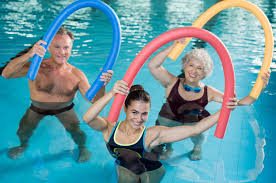
Aqua Fitness: The Revolutionary Low-Impact Path to Weight Loss, Strength, and Total Vitality
Introduction
In an era where fitness trends shift rapidly and high-intensity workouts often dominate the spotlight, a highly effective yet surprisingly gentle training method has re-emerged as a modern powerhouse: aqua fitness. What was once perceived as a light, rehabilitation-oriented practice has evolved into a dynamic, science-backed workout embraced by athletes, beginners, and wellness enthusiasts alike. With global fitness communities increasingly prioritizing longevity, joint health, and holistic well-being, water-based exercise stands out as a comprehensive, sustainable, and deeply transformative solution.
Aqua fitness leverages the unique properties of water—buoyancy, hydrostatic pressure, resistance, and thermal regulation—to create a workout environment that is simultaneously low-impact and high-intensity. Whether the goal is weight loss, muscle toning, cardiovascular conditioning, or stress reduction, water training offers unmatched benefits while dramatically reducing the risk of injury. As research continues to highlight the metabolic, physiological, and psychological advantages of aquatic exercise, this method has become a valuable tool for people of all ages, body types, and fitness levels.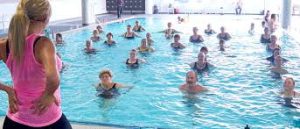
This article explores the science behind aqua fitness, its multilayered benefits, and practical strategies for integrating it smoothly into your lifestyle for long-term, measurable results.
The Science Behind Aqua Fitness: How Water Enhances Human Performance
1. Aquatic Resistance: A Multidirectional Powerhouse
One of the primary scientific foundations of aqua fitness is the water’s natural resistance, which is 12 to 14 times greater than air. Unlike land-based workouts, where resistance is directional and often gravity-dependent, water offers 360-degree, omnidirectional resistance that challenges muscles throughout every phase of movement.
Why This Matters
- Muscles work during both the concentric and eccentric phases of movement.
- Stabilizer muscles, often neglected on land, are constantly activated.
- The resistance is customizable—moving faster increases drag, instantly making the workout harder.
This mechanism promotes balanced musculature, core stability, and functional strength without the need for heavy weights or complicated machinery.
2. Buoyancy: Reduced Joint Load, Increased Performance
Buoyancy decreases the body’s effective weight by up to 90%, dramatically lowering joint stress. This makes aqua fitness ideal for:
- Individuals with arthritis or osteoporosis
- Pregnant women
- Those recovering from injury
- Beginners or overweight individuals who struggle with high-impact movement
Despite being gentle, buoyancy enables high-intensity training without overload, allowing participants to push harder while minimizing the risk of strain or injury.
3. Hydrostatic Pressure: Improved Circulation and Cardiovascular Efficiency
Hydrostatic pressure—water’s natural compression—offers significant physiological advantages:
- Enhanced venous return
- Improved lymphatic drainage
- Reduced swelling and inflammation
- Increased cardiac efficiency
Because water pushes against the body uniformly, the heart works more efficiently, leading to better circulation, lower resting heart rate, and improved cardiovascular endurance during and after exercise.
4. Thermal Regulation: Increased Calorie Burn
Most pools are kept cooler than body temperature, prompting the body to expend additional energy to maintain its internal temperature. This thermogenic effect increases overall calorie expenditure, making aqua fitness an excellent choice for sustainable weight management.
The Comprehensive Benefits of Aqua Fitness
1. Effective Weight Loss and Metabolic Enhancement
A vigorous 45–60 minute aqua fitness session typically burns 400–600 calories, depending on intensity. The factors contributing to this high burn rate include:
- Multi-muscle activation
- Resistance from every direction
- Thermogenic effects of cooler water
Moreover, because water-based workouts naturally build lean muscle, they increase the resting metabolic rate, promoting fat loss long after the session ends.
2. Total-Body Strength, Toning, and Endurance
Aqua fitness challenges the legs, core, arms, shoulders, and back simultaneously. Unlike traditional workouts that require separate exercises for different muscle groups, water training delivers full-body engagement through integrated movements such as:
- Aquatic jogging
- Tethered deep-water running
- Cross-country ski movements
- Power jumps and aqua plyometrics
- Aqua cycling and Aqua HIIT
The result is toned, defined muscles without excessive strain or bulk.
3. Cardiovascular Conditioning and Lung Capacity Improvement
Water’s pressure creates a mild resistance to breathing, which strengthens the respiratory muscles and improves lung capacity. Interval training in water—such as alternating sprints, kicks, and high-power moves—supports:
- Improved VO₂ max
- Lower blood pressure over time
- Enhanced heart efficiency
- Better stamina and endurance
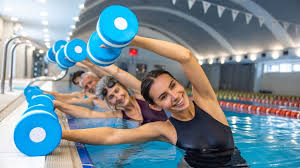
These benefits make aqua fitness an ideal option for both beginners and seasoned athletes.
4. Improved Flexibility, Balance, and Coordination
The fluid environment of water enables:
- Greater range of motion without pain
- Deeper, safer stretching
- Constant micro-adjustments to maintain balance
This helps participants develop:
- Better posture
- Enhanced proprioception
- Reduced fall risk
- More coordinated movement patterns
Such improvements are especially valuable for older adults or those recovering from knee, hip, or back injuries.
5. Mental Health and Emotional Wellness
Water has long been associated with calmness, relaxation, and meditative rhythm. Aqua fitness sessions often produce:
- Reduced stress, tension, and cortisol levels
- Improved mood through endorphin release
- Enhanced sleep quality
- Increased social interaction in group settings
The bonding and supportive nature of group water classes creates a community atmosphere that strengthens motivation and long-term adherence.
How to Incorporate Aqua Fitness Into Your Lifestyle
1. Choosing the Right Class for Your Goals
Modern aqua fitness offers highly varied formats tailored to different preferences:
- Aqua Zumba: Dance-based routines
- Aqua Cycling: Stationary bikes submerged in water
- Aqua Bootcamp: High-intensity, military-inspired drills
- Ai Chi: Water-based Tai Chi for relaxation and balance
- Aqua HIIT: Interval training for maximum fat burn

Beginners should look for certified instructors and start with foundational sessions to master posture and technique.
2. Essential Equipment for Enhanced Results
Basic gear includes:
- Comfortable swimwear
- Water shoes for traction and joint alignment
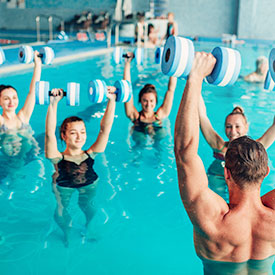
- Aqua dumbbells for resistance
- Webbed gloves for upper-body power
- Pool noodles for floating and core work
- Resistance belts for deep-water running
These optional tools add variety and help progressively overload the muscles.
3. Structuring an Effective Aqua Workout
A well-designed session typically includes:
Warm-Up (5–10 minutes)
- Gentle marching
- Arm circles
- Light stretches
Cardio Conditioning (20–30 minutes)
- Jogging in place
- Kick variations
- Jumping jacks
- Traveling movements
Strength Training (15–20 minutes)
- Core-focused exercises
- Leg lifts and lunges
- Upper-body pushes and pulls with equipment
Cool-Down and Stretching (5–10 minutes)
- Slow, fluid movements
- Static stretches held for 20 to 30 seconds
This structure ensures balanced development of endurance, strength, and flexibility.
4. Cross-Training for Enhanced Fitness
To maximize long-term results, combine aqua fitness with:
- 1–2 days of resistance training
- Yoga or Pilates for flexibility and core strength
- Brisk walking or cycling for added calorie burn
- A balanced diet centered around whole foods
Cross-training prevents plateaus and promotes comprehensive physical development.
Conclusion
Aqua fitness is no longer a niche or age-specific exercise routine—it is a scientifically advanced, inclusive, and highly effective workout system suitable for almost everyone. By leveraging the natural properties of water, it creates a training environment that is simultaneously gentle and powerful. The benefits extend far beyond physical conditioning: from significant weight loss and enhanced muscle tone to improved cardiovascular health, mental clarity, and emotional well-being.
As the world shifts toward safer, more sustainable, and more enjoyable fitness solutions, aqua fitness stands at the forefront of this movement. Its versatility, accessibility, and measurable results make it one of the most promising wellness pathways of the modern era. Whether you’re seeking transformation, rehabilitation, or a refreshing way to stay active, the water offers an inviting, supportive, and deeply rewarding space for your journey to health and vitality.
Modern Judo’s Evolution, Power, and Philosophy