
 By admin

The Easiest Way to Create High-Quality Articles: Unlocking the Power of Public Domain Content
Introduction
In today’s fast-paced digital world, content has become the backbone of online success. Websites, blogs, newsletters, and digital businesses all depend on a constant stream of informative, engaging, and search-engine-friendly articles to attract visitors, retain audiences, and build authority. However, despite the undeniable importance of content creation, many webmasters, marketers, and entrepreneurs find writing articles to be one of the most exhausting and time-consuming aspects of their work.
For countless individuals, the idea of researching a topic, organizing information, crafting original ideas, and turning them into a polished article can feel overwhelming. Procrastination often becomes a coping mechanism, delaying the inevitable task of writing. Others fear that their writing skills are not strong enough or worry that producing truly original material requires more creativity and effort than they can realistically offer.
Fortunately, there is a powerful, legal, and often overlooked solution to this challenge: public domain articles. These resources provide a legitimate and ethical shortcut to content creation without sacrificing quality or risking copyright infringement. When used correctly, public domain content can save time, reduce costs, and help businesses scale their content strategies efficiently.
This article explores the easiest way to create articles by leveraging public domain materials. It explains what public domain content is, why it is valuable, how it can be used ethically and effectively, and how modern digital creators can transform these resources into unique, high-performing content for websites, blogs, newsletters, and e-zines.
Understanding Public Domain Content
What Does “Public Domain” Mean?
Public domain content refers to creative works—such as articles, books, essays, research papers, and other written materials—that are not protected by copyright. This means that no individual or organization owns exclusive rights to these works. Anyone is free to use, reproduce, modify, distribute, or even monetize them without seeking permission or paying royalties.
In many cases, works enter the public domain because their copyright has expired. In other situations, authors voluntarily waive their rights and dedicate their work to the public domain, allowing unrestricted use by anyone.
Why Some Authors Choose the Public Domain
While most writers prefer to protect their work through copyright, there are authors who value knowledge sharing over ownership. These individuals believe in open access to information and choose to make their work freely available for educational, creative, or commercial purposes.
By placing their work in the public domain, these authors eliminate legal barriers and empower others to reuse and adapt their ideas. This generosity has resulted in a vast and growing library of content that remains largely untapped by modern content creators.
Why Writing Articles Feels So Difficult for Many People
The Pressure of Originality
One of the biggest psychological barriers to writing is the pressure to be original. Many writers believe they must create something entirely new, never said before, which can be intimidating. In reality, most topics have already been explored extensively, and originality often comes from perspective, structure, and presentation rather than entirely new ideas.
Time-Consuming Research
High-quality articles require accurate information, examples, and supporting data. Conducting research across multiple sources can take hours or even days, especially for complex or technical topics. This time investment discourages many individuals from starting or completing articles.
Skill and Confidence Gaps
Not everyone considers themselves a skilled writer. Grammar, structure, tone, and clarity can all pose challenges. For business owners and webmasters who already juggle multiple responsibilities, writing often falls to the bottom of the priority list.
Public Domain Articles as a Content Creation Shortcut
A Legal and Ethical Alternative to Plagiarism
Simply downloading and copying copyrighted articles is illegal and unethical. However, public domain content is entirely different. Since these works are free from copyright restrictions, using them does not constitute plagiarism when done properly.
Public domain articles provide a legal foundation upon which writers can build, modify, and adapt content without fear of lawsuits or penalties.
Pre-Existing Ideas and Structures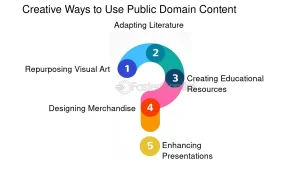
One of the greatest advantages of public domain articles is that the core ideas, arguments, and structures are already in place. Writers can use these materials as blueprints, saving enormous amounts of time and mental energy.
Instead of starting from a blank page, content creators can focus on refining, updating, and personalizing existing material.
How to Rewrite Public Domain Articles Effectively
Adapting Content to Your Own Style
Although public domain articles can be used as-is, simply copying and pasting them is rarely the best approach. Search engines favor unique content, and audiences expect modern language and relevance.
By rewriting public domain articles in your own voice, you can create content that feels fresh, authentic, and aligned with your brand.
Updating Information for Modern Audiences
Many public domain articles were written years—or even decades—ago. While their core concepts may still be valid, examples, terminology, and references may feel outdated.
Modernizing content by adding current statistics, trends, tools, and real-world applications significantly increases its value and relevance.
Optimizing for SEO
Search engine optimization is essential for online visibility. Public domain articles can be enhanced by strategically integrating:
- High-ranking keywords
- Long-tail keyword phrases
- Clear headings and subheadings
- Internal and external links
This transformation turns basic public domain material into powerful SEO-driven content.
Benefits of Using Public Domain Articles
Saving Time and Increasing Productivity
Writing an article from scratch can take several hours. Using public domain content dramatically reduces this time, allowing writers to produce more articles in less time without sacrificing quality.
Reducing Content Creation Costs
Hiring professional writers can be expensive, especially for websites that require hundreds of articles. While a single 500-word article may cost between $10 and $15, large-scale content needs can quickly inflate budgets.
Public domain articles eliminate or significantly reduce these costs, making them ideal for startups, small businesses, and budget-conscious entrepreneurs.
Eliminating Copyright Risks
Because public domain content is free to use, webmasters face no risk of copyright infringement. This peace of mind is invaluable, particularly for large websites, newsletters, and e-zines that publish content regularly.
Public Domain Content for Websites and Blogs
Filling Websites with Valuable Content
Search engines reward websites that consistently publish relevant, informative content. Public domain articles provide an efficient way to populate websites with useful material while maintaining SEO standards.
By editing and optimizing these articles, webmasters can improve search engine rankings and attract organic traffic.
Keyword Integration for Higher Rankings
Public domain articles can be customized by inserting niche-specific keywords and keyword phrases. This strategy allows website owners to target competitive search terms without writing entirely new content from scratch.
Using Public Domain Articles for Newsletters and E-Zines
Cost-Free Content for Email Marketing
Email newsletters and e-zines require a steady flow of content to keep subscribers engaged. Relying solely on paid contributors or staff writers can be costly and unsustainable.
Public domain articles offer a reliable and cost-free solution, allowing publishers to fill their newsletters with informative content without worrying about permissions or fees.
Maintaining Consistency and Frequency
Consistency is critical in email marketing. Public domain content ensures that newsletters can be published regularly, even during periods of limited resources or inspiration.
Public Domain Articles as an Untapped Digital Resource
Growing Demand for Online Content
The demand for articles has grown exponentially due to the rise of blogs, websites, social media platforms, and content-driven businesses. This demand has created a global content industry with millions of writers producing material daily.
Yet, despite this growth, public domain articles remain underutilized. Many people fail to recognize their true potential as a foundation for high-quality, scalable content creation.
A Solution for Time-Strapped and Budget-Conscious Creators
For individuals who lack time, money, or writing expertise, public domain articles offer an accessible entry point into content creation. They democratize publishing and enable more people to participate in the digital economy.
How to Find Public Domain Articles Easily
Search Engines and Online Directories
Finding public domain content is surprisingly simple. A basic search using keywords like “public domain articles” or “free public domain content” can lead to extensive collections and directories.
Evaluating and Selecting Quality Content
Not all public domain articles are equally useful. It is important to read and evaluate content for relevance, accuracy, and adaptability before using it.
Once selected, articles can be copied into a word processing program and rewritten to suit specific goals and audiences.
Best Practices for Using Public Domain Content
Avoiding Duplicate Content Issues
Search engines penalize duplicate content. Rewriting and restructuring public domain articles is essential to ensure originality and maintain SEO performance.
Adding Personal Insights and Value
The most effective content goes beyond repetition. Adding personal insights, examples, and commentary transforms public domain material into unique, high-value articles.
The Future of Public Domain Content in Digital Marketing
As content marketing continues to evolve, efficiency and scalability will become even more important. Public domain articles will play a growing role in helping businesses meet content demands without overwhelming budgets or teams.
When combined with modern SEO strategies, artificial intelligence tools, and editorial oversight, public domain content can serve as a cornerstone of sustainable digital publishing.
Conclusion
Creating high-quality articles does not have to be a stressful, time-consuming, or expensive process. Public domain articles offer a powerful, legal, and ethical solution for anyone struggling with content creation. By leveraging existing materials, rewriting them thoughtfully, and optimizing them for modern audiences and search engines, writers and webmasters can produce engaging, valuable content with minimal effort.
Public domain content is more than just free material—it is an untapped resource that empowers individuals and businesses to grow, publish, and succeed in the digital world. For those who lack time, budget, or confidence in their writing skills, public domain articles provide the easiest and most accessible path to consistent, high-quality content creation.
Understanding the Modern Super Affiliate Model