
 By admin
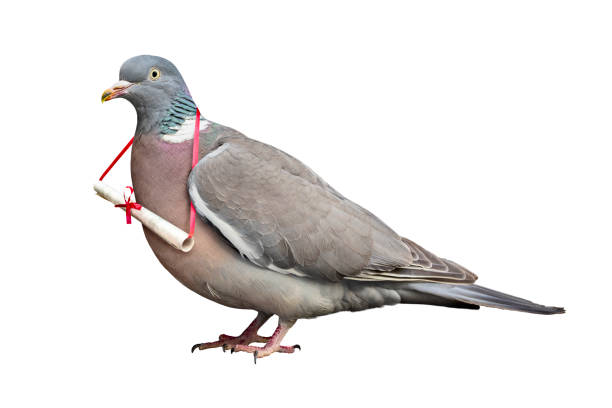
The Racing Pigeon: A Remarkable Athlete of the Skies and a Timeless Human Passion
Introduction
For centuries, humans have been fascinated by the extraordinary navigational abilities of birds. Among them, the racing pigeon—also known as the homing pigeon—stands out as one of nature’s most astonishing athletes. Descended from the wild rock pigeon (Columba livia), the racing pigeon has been selectively bred by dedicated enthusiasts, known as fanciers or colombophiles, for its innate ability to return to its home loft from vast distances. This unique talent has transformed pigeon keeping into a highly structured sport and lifelong passion called pigeon racing, or colombophilia.
In the modern era, racing pigeons are no longer viewed merely as birds with an instinct for homing. They are recognized as elite competitors whose training, nutrition, health management, and performance are carefully optimized. With international competitions, advanced electronic timing systems, scientific research into avian navigation, and record-breaking auction prices exceeding one million euros for exceptional birds, pigeon racing has evolved into a sophisticated global discipline that blends tradition, science, and technology.
This article offers a comprehensive and updated exploration of the racing pigeon world—covering its origins, breeding practices, competitive categories, orientation mechanisms, nutrition, specialized equipment, and the modern marketplace. Whether you are a curious reader, a beginner fancier, or an experienced enthusiast, this guide provides an in-depth look into one of the most fascinating sports involving animals.
1. The Origins and Evolution of the Racing Pigeon
1.1 From Rock Pigeon to Elite Racer
The racing pigeon originates from the rock pigeon (Columba livia), a species native to Europe, North Africa, and parts of Asia. Historically, pigeons were domesticated for food, ceremonial purposes, and, most notably, communication. Their homing ability made them indispensable messengers in ancient civilizations, medieval kingdoms, and even during major conflicts such as World War I and World War II.
Over generations, selective breeding focused on endurance, speed, intelligence, and homing accuracy gave rise to the modern racing pigeon. Today’s birds are the result of decades—sometimes centuries—of careful lineage management, where only the strongest and most reliable pigeons are chosen for reproduction.
1.2 The Rise of Colombophilia as a Sport
Colombophilia gained formal recognition in Europe during the 19th century, particularly in Belgium, the Netherlands, France, and the United Kingdom. Organized races, standardized rules, and national federations transformed pigeon racing into a competitive sport. Over time, it spread worldwide, gaining popularity in countries such as Germany, China, South Africa, Morocco, and the United States.
Modern pigeon racing combines deep tradition with innovation, maintaining cultural heritage while embracing technological advancements that improve fairness, accuracy, and animal welfare.
2. Breeding and Competition: The Heart of Colombophilia
2.1 The Art and Commitment of Breeding
Breeding racing pigeons is both an art and a science. Successful breeders invest countless hours in daily care, observation, and training, developing a strong bond with their birds. This relationship is crucial, as pigeons thrive in stable, low-stress environments where trust between bird and keeper is established.
Selective breeding focuses on:
- Genetic lineage and proven bloodlines
- Physical strength and wing structure
- Respiratory efficiency and cardiovascular endurance
- Mental resilience and homing instinct
Breeders meticulously record pedigrees, race results, and health data to refine future generations.
2.2 Categories of Racing Competitions
Racing pigeons are typically specialized according to distance, as different physiological traits are required for each category:
• Sprint (Speed Races: 150–300 km)
Speed pigeons are compact, explosive athletes capable of reaching impressive velocities. These races emphasize quick orientation, rapid wingbeats, and immediate acceleration.
• Middle Distance (300–600 km)
This category requires a balance between speed and endurance. Pigeons must maintain high average speeds while managing fatigue over several hours of flight.
• Long Distance and Marathon (700–1000+ km)
Long-distance pigeons are the ultimate endurance athletes. They may fly for an entire day or longer, facing weather changes, exhaustion, and navigational challenges. Success in this category is often seen as the pinnacle of pigeon racing achievement.
3. The Science of Orientation and Navigation
3.1 Visual Navigation and Celestial Cues
Racing pigeons rely on a combination of visual landmarks and celestial navigation. The sun plays a crucial role, with pigeons using its position as a compass, adjusted by an internal circadian clock. During dawn, dusk, or night flights, the moon and stars may also assist orientation.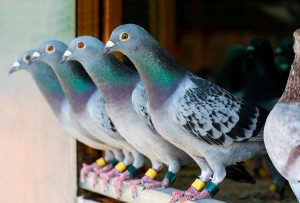
Landmarks such as rivers, coastlines, roads, and mountain ranges help pigeons refine their route as they approach familiar territory.
3.2 Earth’s Magnetic Field and Magnetoreception
One of the most fascinating aspects of pigeon navigation is their sensitivity to the Earth’s magnetic field. Scientific research has identified microscopic particles of iron oxide (magnetite) in the pigeons’ skulls, enabling them to detect magnetic field variations. This biological compass allows pigeons to determine direction even when visual cues are limited.
3.3 Olfactory Mapping and Environmental Awareness
Recent studies suggest that pigeons may also use olfactory cues—recognizing regional scent patterns carried by the wind—to build an internal “smell map.” This multi-layered navigation system demonstrates the remarkable cognitive abilities of racing pigeons and continues to inspire scientific research.
4. Nutrition: Fueling High-Performance Avian Athletes
4.1 Balanced Seed Mixtures
Modern racing pigeons are considered elite athletes, and their diet reflects this status. Specialized seed mixtures are designed to support different life stages and performance phases, including breeding, rearing, molting, and racing.
Premium brands such as Mifuma and Versele-Laga offer scientifically formulated blends containing:
- Maize for carbohydrates and energy
- Wheat and barley for sustained fuel
- Sunflower seeds and peanuts for healthy fats
- Peas and legumes for protein and muscle repair
Diet composition is often adjusted before and after races to optimize energy reserves and recovery.
4.2 Supplements and Health Support
In addition to seeds, supplements play a vital role in maintaining optimal health:
- Natural dewormers and digestive aids
- Electrolytes for hydration after long flights
- Vitamins and minerals to strengthen immunity
- Herbal products such as Diavermix Eau to support gut health
Responsible fanciers prioritize preventive care, ensuring pigeons remain strong without excessive medication.
5. Equipment and Infrastructure for Modern Colombophilia
5.1 Loft Design and Breeding Equipment
A well-designed loft is essential for pigeon health and performance. Key elements include:
- Individual breeding boxes and nesting areas
- Proper ventilation to prevent respiratory issues
- Perches and resting zones to reduce stress
- Easy-to-clean materials for hygiene control
Each pigeon is fitted with a unique identification ring provided by official federations, ensuring traceability and ownership.
5.2 Electronic Timing and Competition Technology
Gone are the days of manual clocking. Today, electronic timing systems ensure accuracy and fairness in races. Advanced devices such as the Bricon X-Treme system automatically record a pigeon’s arrival time when it enters the loft.
These systems offer:
- Precise millisecond timing
- Digital race data storage
- Integration with national and international databases
Technology has elevated pigeon racing to a new level of professionalism and transparency.
6. The Economic Value of Racing Pigeons
6.1 Record-Breaking Prices and Elite Bloodlines
The value of a racing pigeon can vary dramatically. While many birds are affordable for beginners, exceptional champions with proven genetics can fetch astonishing prices. In recent years, elite pigeons have sold for over one million euros at international auctions.
These prices reflect:
- Outstanding race results
- Prestigious bloodlines
- Breeding potential for future champions
Such sales highlight the global prestige and investment potential of top-tier pigeons.
6.2 The Global Marketplace
Racing pigeons and related equipment can be acquired through various channels:
• Classified Ads and Second-Hand Markets
Websites like Avito.ma and 2ememain.be often feature pigeons, lofts, and accessories, providing affordable options for enthusiasts.
• Specialized Retailers
Professional shops such as CoolBird, Pigeon Ledoux, and Rolland Delbart offer comprehensive product ranges, from feed to electronic systems.
• Online Auctions
High-end pigeons are commonly sold through platforms like GPS-Auctions, where international buyers compete for elite birds.
Conclusion
The racing pigeon is far more than a domesticated bird—it is a living testament to the extraordinary partnership between humans and animals. Combining instinct, intelligence, endurance, and loyalty, racing pigeons continue to captivate enthusiasts across generations and continents. Modern colombophilia stands at the crossroads of tradition and innovation, where age-old breeding practices meet cutting-edge science and technology.
As research into avian navigation deepens and global interest grows, the sport of pigeon racing remains vibrant and evolving. Whether admired for their athleticism, valued for their genetics, or cherished as companions, racing pigeons symbolize resilience, precision, and the timeless human desire to understand and connect with nature.
Leopard Conservation in the 21st Century