
 By admin
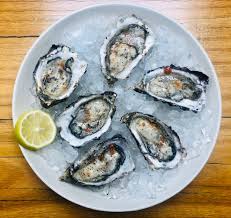
Oysters: A Nutrient-Dense Marine Delicacy with Timeless Culinary Prestige
Introduction
Oysters have long held a distinguished place in global gastronomy, admired for their refined taste, exceptional nutritional value, and deep cultural significance. Revered since antiquity, oysters are more than just a luxury seafood item; they are a symbol of coastal heritage, ecological balance, and culinary sophistication. Traditionally consumed during the cooler months—commonly referred to as the months with an “R” (from September to April)—oysters reach their peak quality when waters are colder, ensuring firmer flesh and enhanced flavor.
Today, oysters are celebrated worldwide, from fine-dining restaurants to casual seaside markets. Whether enjoyed raw on the half shell or incorporated into warm, indulgent recipes, oysters offer a unique sensory experience shaped by their environment, species, and maturation process. Modern consumers are also increasingly drawn to oysters for their impressive health benefits, as they are packed with essential nutrients while remaining low in calories.
This comprehensive guide explores oysters in depth: their biological characteristics, main varieties, geographical origins, flavor profiles, preparation techniques, culinary uses, and nutritional benefits. By understanding the complexity behind this seemingly simple mollusk, we can better appreciate why oysters remain one of the most prized treasures of the sea.
1. Understanding the Oyster: A Marine Bivalve with Remarkable Qualities
1.1 What Is an Oyster?
An oyster is a marine bivalve mollusk belonging to the family Ostreidae. It has two irregular shells hinged together, enclosing a soft body that feeds by filtering seawater. Through this natural filtration process, oysters play a vital ecological role, improving water quality and supporting marine biodiversity.
Unlike many other seafood species, oysters are deeply influenced by their surrounding environment. The water’s salinity, temperature, plankton composition, and even tidal movements directly affect their texture, aroma, and taste. This phenomenon, often referred to as “terroir” in the oyster world, mirrors the way soil and climate influence wine.
1.2 A Brief History of Oyster Consumption
Oysters have been consumed by humans for thousands of years. Archaeological evidence suggests that ancient civilizations, including the Romans and Greeks, prized oysters for both nourishment and pleasure. In Roman times, oysters were transported alive across vast distances, demonstrating their early status as a luxury food.
During the 19th century, oysters became widely accessible in Europe and North America, sometimes considered a staple for the working class. Overharvesting later led to declining populations, prompting the development of oyster farming (ostreiculture), which now supplies the majority of oysters consumed worldwide.
2. Main Types of Oysters and Their Distinct Characteristics
2.1 The Two Primary Oyster Varieties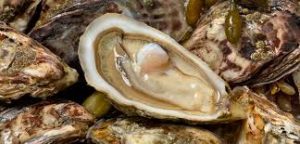
There are two main varieties of oysters commonly found on the market:
2.1.1 Pacific or Cupped Oysters (Crassostrea gigas)
Also known as “creuse” oysters, cupped oysters are the most widely cultivated and consumed globally. They are appreciated for their adaptability, resilience, and diverse flavor profiles. Their shells are elongated and irregular, while their flesh is generous and firm.
Cupped oysters often display pronounced iodine notes and a briny finish, making them especially popular among oyster enthusiasts who enjoy bold maritime flavors.
2.1.2 Flat Oysters (Ostrea edulis)
Flat oysters, including the famous Belon oyster, are rarer and generally more expensive. They are rounder in shape and offer a more subtle, complex flavor profile. Often described as nutty or slightly metallic, flat oysters are prized for their refined taste and silky texture.
3. Oyster Origins and Flavor Profiles
3.1 The Influence of Terroir on Taste
Just as wine reflects its vineyard, oysters reflect their growing environment. Factors such as water depth, salinity, algae availability, and farming methods significantly influence their flavor.
3.2 Iodine-Rich Oysters from Open Seas
For those who enjoy strong, briny flavors, oysters grown in open seas are ideal:
- Brittany Oysters (France): Particularly from Cancale and Paimpol, these oysters are renowned for their intense iodine character and crisp texture.

- West Cotentin Oysters: Harvested from nutrient-rich waters, they offer a robust marine taste with a clean finish.
3.3 Mild and Sweet Oysters from Sheltered Waters
Consumers seeking a gentler, sweeter profile may prefer oysters grown in calmer basins:
- Isigny Oysters: Known for their balanced salinity and subtle sweetness.
- Marennes-Oléron Oysters: Often refined in “claires” (shallow clay ponds), which impart a smoother, less salty taste and sometimes a distinctive green hue.
- Bouzigues Oysters (Mediterranean): Grown in the Étang de Thau, these oysters are plump, mild, and delicately flavored, reflecting the Mediterranean’s lower salinity.
4. Oyster Preparation: From Harvest to Plate
4.1 Selecting Fresh Oysters
Freshness is paramount when it comes to oysters. High-quality oysters should be tightly closed and feel heavy for their size, indicating they are full of seawater. A fresh oyster has a clean, ocean-like aroma, never fishy or sour.
4.2 How to Open Oysters Safely
Opening oysters requires care and the right technique:
- Rinse the oyster thoroughly under cold water.
- Hold it flat side up to preserve the natural liquor (seawater).
- Insert an oyster knife into the hinge.
- Twist gently until the shell pops open.
- Slide the knife along the top shell to sever the muscle.
Using a protective glove or towel is recommended to avoid injury.
5. Enjoying Oysters Raw: Pure and Authentic
5.1 The Classic Raw Oyster Experience
Raw oysters are traditionally enjoyed on the half shell, allowing their natural flavors to shine. Purists prefer them plain, appreciating the subtle balance of saltiness, sweetness, and minerality.
5.2 Simple Enhancements
While oysters need little embellishment, common accompaniments include:
- A squeeze of fresh lemon juice
- A pinch of black pepper
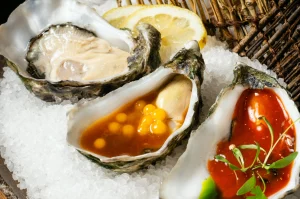
- A mild shallot and vinegar mignonette
These additions should enhance, not overpower, the oyster’s natural taste.
6. Warm Oyster Recipes: Comfort and Creativity
6.1 Baked and Gratinated Oysters
One of the most popular warm preparations involves baking oysters with butter, shallots, herbs, and breadcrumbs. This method creates a rich, comforting dish that appeals even to those hesitant about raw oysters.
6.2 Grilled Oysters
Grilling oysters until their edges curl slightly intensifies their flavor and adds a smoky note. They can be finished with garlic butter, cheese, or herbs for added depth.
6.3 Modern Culinary Innovations
Contemporary chefs incorporate oysters into soups, risottos, tempura, and even pasta dishes, demonstrating their versatility and adaptability to modern cuisine.
7. Nutritional Benefits: Why Oysters Are a Superfood
7.1 Low-Calorie, High-Nutrient Profile
Oysters are composed of approximately 83% water, making them naturally low in calories while remaining rich in essential nutrients. This makes them an excellent choice for health-conscious consumers.
7.2 Key Nutrients Found in Oysters
Phosphorus
Supports strong bones and teeth and plays a crucial role in energy metabolism.
Vitamin B12
Essential for brain function, nerve health, and the production of red blood cells. Oysters are among the richest natural sources of vitamin B12.
Magnesium
Known for its relaxing properties, magnesium contributes to muscle function, stress reduction, and overall well-being.
7.3 Additional Health Advantages
Oysters are also rich in zinc, iron, selenium, and omega-3 fatty acids. These nutrients support immune health, cardiovascular function, and cognitive performance.
8. Sustainability and Modern Oyster Farming
8.1 Environmentally Friendly Seafood
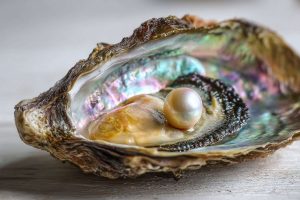
Oyster farming is considered one of the most sustainable forms of aquaculture. Oysters require no artificial feed and actively improve water quality through filtration.
8.2 Responsible Consumption
Choosing oysters from certified, responsibly managed farms helps protect marine ecosystems while supporting local coastal communities.
Conclusion
Oysters are far more than a seasonal delicacy; they are a remarkable fusion of nature, tradition, and nutrition. Their diverse flavors, shaped by geography and cultivation methods, offer endless possibilities for culinary exploration. Whether enjoyed raw in their purest form or prepared in comforting, warm dishes, oysters provide a sensory experience that connects us directly to the sea.
Beyond their gastronomic appeal, oysters stand out as a nutrient-dense superfood and an environmentally sustainable seafood choice. Rich in essential vitamins and minerals while low in calories, they support both personal health and ecological balance. By understanding their origins, preparation methods, and benefits, consumers can fully appreciate why oysters continue to captivate chefs, nutritionists, and seafood lovers around the world.
How Dogs Shape a Healthier, Happier Life