
 By admin
The Ultimate Guide to Persian Cat Care: Grooming, Health, Nutrition, and Indoor Living
Introduction
The Persian cat is widely regarded as one of the most elegant and recognizable cat breeds in the world. With its luxurious long coat, expressive round eyes, and calm, affectionate temperament, the Persian has earned a reputation as the “royalty” of the feline world. For centuries, these cats have been cherished companions in homes ranging from ancient palaces to modern apartments. However, beneath their serene appearance lies a breed that requires attentive, informed, and consistent care.
Unlike many short-haired or highly independent cats, Persian cats are a high-maintenance breed that thrives on routine, cleanliness, and a controlled indoor environment. Their unique physical traits—particularly their long fur and flat facial structure—make them more vulnerable to grooming challenges and health issues. As a result, responsible Persian cat ownership demands more than admiration; it requires commitment, patience, and knowledge.
This comprehensive guide provides a modern, in-depth look at Persian cat care, incorporating current veterinary insights and breed-specific best practices. From daily grooming rituals and nutritional strategies to managing genetic health risks and creating an ideal indoor habitat, this article equips cat owners with everything they need to ensure their Persian cat enjoys a long, healthy, and comfortable life.
Understanding the Persian Cat Breed
Origins and Breed Characteristics
The Persian cat traces its ancestry to the ancient region of Persia, now known as Iran. Early long-haired cats were introduced to Europe in the 17th century, where selective breeding gradually refined their appearance. Over time, breeders emphasized traits such as a round head, short nose, large eyes, and an exceptionally thick coat.
Today’s Persian cats are known for their stocky build, short legs, broad chest, and dense double-layered fur. They are available in a wide range of colors and patterns, making them one of the most visually diverse cat breeds.
Personality and Temperament
Persian cats are celebrated for their gentle, calm, and affectionate nature. They are not overly vocal or demanding, preferring quiet companionship over constant activity. Unlike highly energetic breeds, Persians enjoy a relaxed lifestyle, often spending hours resting in comfortable spots.
They form strong bonds with their owners and appreciate predictable routines. While they are playful, their play style is typically mild and short-lived. This temperament makes them ideal for apartment living, seniors, and families with respectful children who understand gentle interaction.
Coat Colors and Facial Types
Coat Colors and Patterns
Persian cats come in an impressive variety of coat colors and patterns, including solid colors, tabby patterns, shaded and smoke variations, bicolors, and color-pointed types commonly referred to as Himalayan Persians. This diversity allows potential owners to choose a cat that matches both aesthetic preferences and lifestyle considerations.
Flat-Faced vs. Doll-Faced Persians
There are two main facial types within the breed:
- Flat-faced (Peke-face) Persians have a very short nose and extreme facial features. While visually distinctive, they are more prone to breathing and eye problems.
- Doll-faced Persians retain a more traditional appearance with a longer nose and less exaggerated facial structure, often resulting in fewer health complications.
Understanding these differences is essential when selecting a Persian cat, especially for owners concerned about long-term health care.
Grooming: The Foundation of Persian Cat Care
Daily Brushing: A Non-Negotiable Routine
A Persian cat’s long, dense coat is beautiful but prone to matting. Daily brushing is essential to prevent tangles, remove loose hair, and reduce hairball formation. Even skipping grooming for a few days can result in painful mats that may require professional shaving.
Recommended grooming tools include:
- A wide-tooth metal comb for detangling
- A slicker brush for removing loose undercoat
- A fine-tooth comb for finishing touches
Brushing should always be gentle and follow the direction of hair growth, paying special attention to areas behind the ears, under the arms, and around the belly.
Bathing and Coat Maintenance
Regular bathing is an important part of Persian cat care. Their thick fur can trap oils, dirt, and allergens, leading to skin irritation if not cleaned properly. Most Persians benefit from a bath every three to six weeks.
Use only cat-specific, pH-balanced shampoos designed for long-haired breeds. After bathing, thorough drying is essential to prevent chills and skin issues. Towel drying followed by air drying or a low-heat dryer setting is recommended.
Eye, Face, and Sanitary Care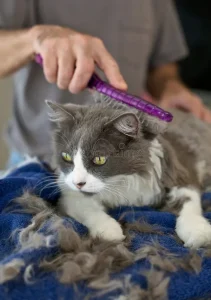
Due to their flat facial structure, Persian cats often experience excessive tearing, which can lead to staining and infection. Daily eye cleaning with a soft, damp cloth or veterinary-approved wipes helps maintain hygiene and comfort.
Sanitary trimming around the hindquarters is also highly recommended to prevent waste from clinging to the fur, improving cleanliness and reducing odors.
Health Considerations and Preventive Care
Average Lifespan
With proper care, Persian cats typically live between 12 and 17 years. Some may live longer, but longevity largely depends on genetics, diet, grooming consistency, and preventive veterinary care.
Common Health Issues in Persian Cats
Persian cats are predisposed to several breed-specific health conditions, including:
- Brachycephalic airway syndrome, which can cause breathing difficulties
- Polycystic kidney disease (PKD), a genetic condition affecting kidney function
- Dental disease, due to overcrowded teeth
- Progressive retinal atrophy, which can lead to vision loss
- Heart conditions, such as hypertrophic cardiomyopathy
Responsible breeders screen for many of these conditions, and regular veterinary monitoring is essential for early detection and management.
Veterinary Visits and Health Screening
Adult Persian cats should receive annual veterinary checkups, while senior cats benefit from biannual visits. Routine blood tests, urinalysis, dental exams, and blood pressure monitoring are crucial for identifying health issues before they become severe.
Nutrition: Supporting Health from the Inside Out
Choosing the Right Diet
A high-quality diet plays a vital role in maintaining a Persian cat’s coat, immune system, and overall health. Look for foods with high-quality animal protein as the primary ingredient, moderate fat levels, and added vitamins and minerals.
Breed-specific formulas are particularly beneficial, as they are designed to support coat health, digestion, and jaw structure.
Wet Food and Hydration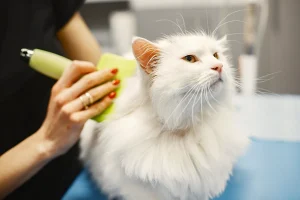
Persian cats are prone to kidney and urinary tract issues, making hydration especially important. Including wet food in their diet helps increase moisture intake and supports kidney health.
Feeding Practices and Weight Management
Due to their relatively low activity levels, Persian cats are susceptible to weight gain. Portion control and scheduled feeding times are essential to prevent obesity. Always provide fresh, clean water, and consider using a water fountain to encourage drinking.
Indoor Living: Creating a Safe and Enriching Environment
Why Persian Cats Should Live Indoors
Persian cats are best suited for an indoor-only lifestyle. Their long coat, gentle temperament, and health vulnerabilities make outdoor living risky. Indoor living protects them from traffic, predators, parasites, contagious diseases, and theft.
Environmental Enrichment
Although calm by nature, Persian cats still require mental stimulation. Provide comfortable resting areas, interactive toys, scratching posts, and window perches. Short daily play sessions help maintain physical and mental well-being without overstimulation.
Litter Box and Home Hygiene
Persians are clean and sensitive cats. A spacious, easily accessible litter box should be cleaned daily to prevent stress and litter avoidance. Keeping their environment clean contributes significantly to their overall happiness.
Conclusion
Owning a Persian cat is both a privilege and a responsibility. These elegant, affectionate companions offer unmatched serenity and devotion, but they rely heavily on their owners for proper care. From daily grooming and specialized nutrition to vigilant health monitoring and a safe indoor environment, every aspect of Persian cat care requires dedication.
When their needs are met, Persian cats reward their owners with years of gentle companionship, quiet affection, and timeless beauty. By understanding and respecting the unique requirements of this remarkable breed, you can ensure that your Persian cat enjoys not only a long life, but a life filled with comfort, dignity, and love.
The Extraordinary Life of the Ostrich