
 By admin

Introduction
The rapid growth of e-commerce has created countless opportunities for entrepreneurs, online retailers, and digital marketers. However, one of the most critical questions every aspiring seller faces is simple: What should I sell? Identifying hot-selling products is often the difference between building a profitable online business and struggling in an overcrowded marketplace.
Successful product selection is not based on luck. It requires careful analysis of market demand, consumer behavior, competition levels, and advertising trends. The most profitable products are those that solve real problems, satisfy customer expectations, and occupy a favorable position within the market. Whether you are launching a new online store, starting a dropshipping business, selling through marketplaces, or building a direct-to-consumer brand, understanding how to identify winning products is essential.
This comprehensive guide explores the key factors involved in finding hot-selling products, including customer needs, market demand, competition analysis, advertising research, and strategic evaluation. By applying these principles, entrepreneurs can make informed decisions and improve their chances of long-term success in the highly competitive digital marketplace.
Understanding What Makes a Product Sell 
Before searching for products, it is important to understand why consumers choose to buy certain items.
A hot-selling product is not simply a popular item. It is a product that consistently attracts customer interest, generates sales, and provides profitable opportunities for sellers. Such products typically solve a problem, fulfill a need, improve convenience, or offer emotional value.
Consumers rarely purchase products randomly. Their buying decisions are influenced by several factors, including:
- Practical usefulness
- Product quality
- Price competitiveness
- Brand reputation
- Customer reviews
- Availability
- Convenience
- Emotional appeal
Businesses that understand these factors are better positioned to identify products with strong sales potential.
The Foundation of Product Research: Understanding Customer Needs
The Importance of Consumer Needs
Every successful product begins with a customer need. Understanding what consumers require is the foundation of product selection.
Needs represent the essential reasons why customers seek a product or service. These are the minimum expectations that must be fulfilled before a purchase decision can even be considered.
Examples include:
- A laptop must function efficiently.
- A smartphone must provide reliable communication.
- Fitness equipment must support exercise goals.
- Kitchen appliances must perform their intended tasks.
If a product fails to satisfy these basic requirements, it is unlikely to succeed regardless of marketing efforts.
Identifying Customer Pain Points
Modern product research often focuses on identifying customer pain points. These are challenges, frustrations, or unmet needs experienced by consumers.
Examples include:
- Lack of time
- High costs
- Poor product durability
- Complex usage
- Limited availability
Products that effectively solve these problems often achieve strong market demand.
Understanding Customer Wants and Preferences
Beyond Basic Needs
While needs are essential, wants often determine which product customers ultimately choose.
Wants represent additional features, benefits, and characteristics that influence purchasing decisions.
For example, when purchasing a laptop, consumers may want:
- Lightweight design
- Long battery life
- Stylish appearance
- Fast performance
- Advanced security features
These factors help differentiate products within competitive markets.
Creating Competitive Advantages
Successful sellers focus on products that provide clear advantages over alternatives. These advantages may include:
- Better design
- Improved functionality
- Enhanced durability
- Eco-friendly materials
- Innovative technology
- Superior customer support
Products with unique selling propositions often stand out in crowded marketplaces.
The Role of Customer Expectations
Why Expectations Matter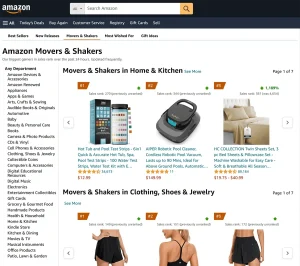
Customer expectations have become increasingly important in today’s digital economy.
Modern consumers expect:
- Fast shipping
- Secure payments
- Excellent customer service
- Easy returns
- Product reliability
- Transparent information
Meeting these expectations increases customer satisfaction and encourages repeat purchases.
Building Trust Through Product Selection
Products associated with high-quality experiences tend to generate stronger reviews and recommendations.
Trust-building factors include:
- Verified quality standards
- Positive customer feedback
- Reliable suppliers
- Consistent product performance
Trust has become one of the most valuable assets in online selling.
Measuring Market Demand
Why Demand Is Essential
Demand represents the number of consumers interested in purchasing a particular product.
Even the best product idea cannot succeed if there is insufficient demand.
Strong demand indicates:
- Existing customer interest
- Sales potential
- Growth opportunities
- Sustainable market activity
Without demand, marketing efforts become expensive and ineffective.
Methods for Evaluating Product Demand
Search Engine Analysis
Search engines provide valuable insights into consumer interest.
High search volumes often indicate:
- Growing popularity
- Active buying intent
- Market opportunities
Keywords related to products can reveal emerging trends and customer interests.
Marketplace Research
Large online marketplaces provide valuable information regarding product performance.
Indicators include:
- Bestseller rankings
- Customer reviews
- Product ratings
- Sales estimates
- Trending categories
These metrics help identify products that consumers are actively purchasing.
Social Media Trends
Social media platforms have become powerful indicators of market demand.
Trending products often gain visibility through:
- Influencer marketing
- User-generated content
- Viral campaigns
- Product demonstrations
Monitoring social conversations can reveal future bestsellers before they become mainstream.
Analyzing Competition Levels
Why Competition Matters
Finding a product with strong demand is only part of the equation.
Entrepreneurs must also evaluate competition.
Competition determines:
- Profit margins
- Advertising costs
- Market accessibility
- Customer acquisition expenses
A product with massive demand but overwhelming competition may be difficult for new sellers to enter profitably.
Types of Competitive Markets
Highly Competitive Markets
Characteristics include:
- Many established brands
- Intense advertising
- Price wars
- Lower profit margins
Examples often include:
- Smartphones
- Consumer electronics
- Fashion accessories
Moderate Competition Markets
These markets often provide the best opportunities because they combine healthy demand with manageable competition.
Benefits include:
- Easier customer acquisition
- Better profit potential
- Room for brand differentiation
Low Competition Markets
Low competition can be attractive, but it requires careful evaluation.
Low competition may indicate:
- Untapped opportunities
- Specialized niches
However, it may also indicate:
- Limited demand
- Small target audiences
Proper research is necessary before entering these markets.
Market Share and Positioning Strategy
Understanding Market Share
Market share refers to the percentage of total sales captured by a particular company or brand within a market.
Businesses should seek market segments where they can:
- Become leaders
- Establish authority
- Build strong customer loyalty
Attempting to compete directly with dominant brands without differentiation often leads to difficulties.
Selecting the Right Market Segment
Niche markets frequently offer attractive opportunities.
Examples include:
- Eco-friendly household products
- Pet accessories
- Smart home devices
- Fitness recovery equipment
- Sustainable fashion
Niche markets allow sellers to focus on specific customer groups and build stronger brand recognition.
Evaluating General Product Interest
Looking at the Bigger Picture
General market interest helps sellers understand whether a product category is growing, stable, or declining.
Important indicators include:
- Industry growth rates
- Consumer trends
- Technology developments
- Lifestyle changes
A product may have moderate demand today but significant future growth potential.
Identifying Long-Term Trends
Some products experience short-term popularity due to viral trends.
Others benefit from long-term market shifts.
Examples of long-term growth trends include:
Sustainability
Consumers increasingly prefer environmentally responsible products.
Health and Wellness
Health-conscious lifestyles continue driving demand for wellness products.
Smart Technology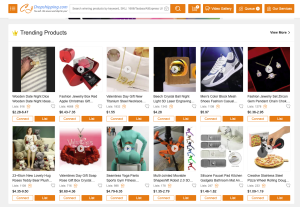
Connected devices and automation solutions remain major growth sectors.
Remote Work
The growth of remote work continues creating opportunities for productivity-related products.
Studying Advertising Activity
Why Advertising Research Is Important
Advertising provides valuable clues about market opportunities.
Businesses rarely invest heavily in promoting products that fail to generate sales.
When many companies actively advertise a product, it often indicates:
- Strong demand
- Proven profitability
- Market viability
However, it may also signal increased competition.
Analyzing Competitor Marketing Strategies
Key areas to examine include:
Paid Advertising
Study how competitors use:
- Search engine advertising
- Social media ads
- Display campaigns
- Video marketing
Content Marketing
Review:
- Blog articles
- Product guides
- Tutorials
- Educational content
Influencer Partnerships
Many successful brands leverage influencers to increase product visibility and consumer trust.
Balancing Demand, Competition, and Advertising
Finding the Sweet Spot
The ideal product often sits at the intersection of:
- Strong demand
- Moderate competition
- Healthy advertising activity
This balance creates favorable conditions for profitability.
Scenario 1: High Demand + Low Competition
This represents an excellent opportunity.
Benefits include:
- Easier market entry
- Strong sales potential
- Higher profit margins
Scenario 2: High Demand + High Competition
Success remains possible but requires:
- Strong branding
- Competitive pricing
- Superior customer experience
Scenario 3: Low Demand + Low Competition
This market may be too small to support sustainable growth.
Scenario 4: Low Demand + High Competition
This is generally the least attractive combination.
Common Mistakes When Choosing Products
Following Trends Blindly
Not every viral product becomes a sustainable business opportunity.
Research should always validate demand before investment.
Ignoring Customer Feedback
Reviews reveal valuable insights about:
- Product strengths
- Product weaknesses
- Consumer expectations
Ignoring this information can lead to poor product selection.
Competing Solely on Price
Price wars often reduce profitability.
Instead, businesses should focus on:
- Value creation
- Quality improvement
- Brand differentiation
Failing to Validate Demand
Assumptions can be costly.
Always verify demand using reliable market data before launching a product.
Building a Long-Term Product Strategy
Think Beyond the First Sale
Sustainable businesses focus on long-term customer relationships.
Ideal products encourage:
- Repeat purchases
- Customer loyalty
- Positive reviews
- Brand advocacy
Creating a Product Ecosystem
Successful sellers often expand beyond a single product.
Examples include:
- Fitness equipment combined with accessories
- Pet products combined with supplements
- Smart devices combined with subscription services
This strategy increases customer lifetime value and revenue potential.
Conclusion
Finding hot-selling products requires much more than simply identifying popular items. Successful product research combines a deep understanding of customer needs, wants, expectations, market demand, competition levels, and advertising activity. Entrepreneurs who carefully analyze these factors can identify profitable opportunities while minimizing risk.
The most successful online sellers recognize that product selection is both an art and a science. By studying consumer behavior, evaluating market trends, measuring competition, and understanding advertising dynamics, businesses can position themselves for sustainable growth and long-term profitability.
In today’s rapidly evolving digital marketplace, the key to success lies not only in finding products that people want today but also in identifying opportunities that will continue generating demand in the future. With thorough research, strategic planning, and a customer-focused mindset, entrepreneurs can confidently choose products that stand out and achieve lasting success in e-commerce.
The Guangdong Development Bank Deal Explained