
 By admin
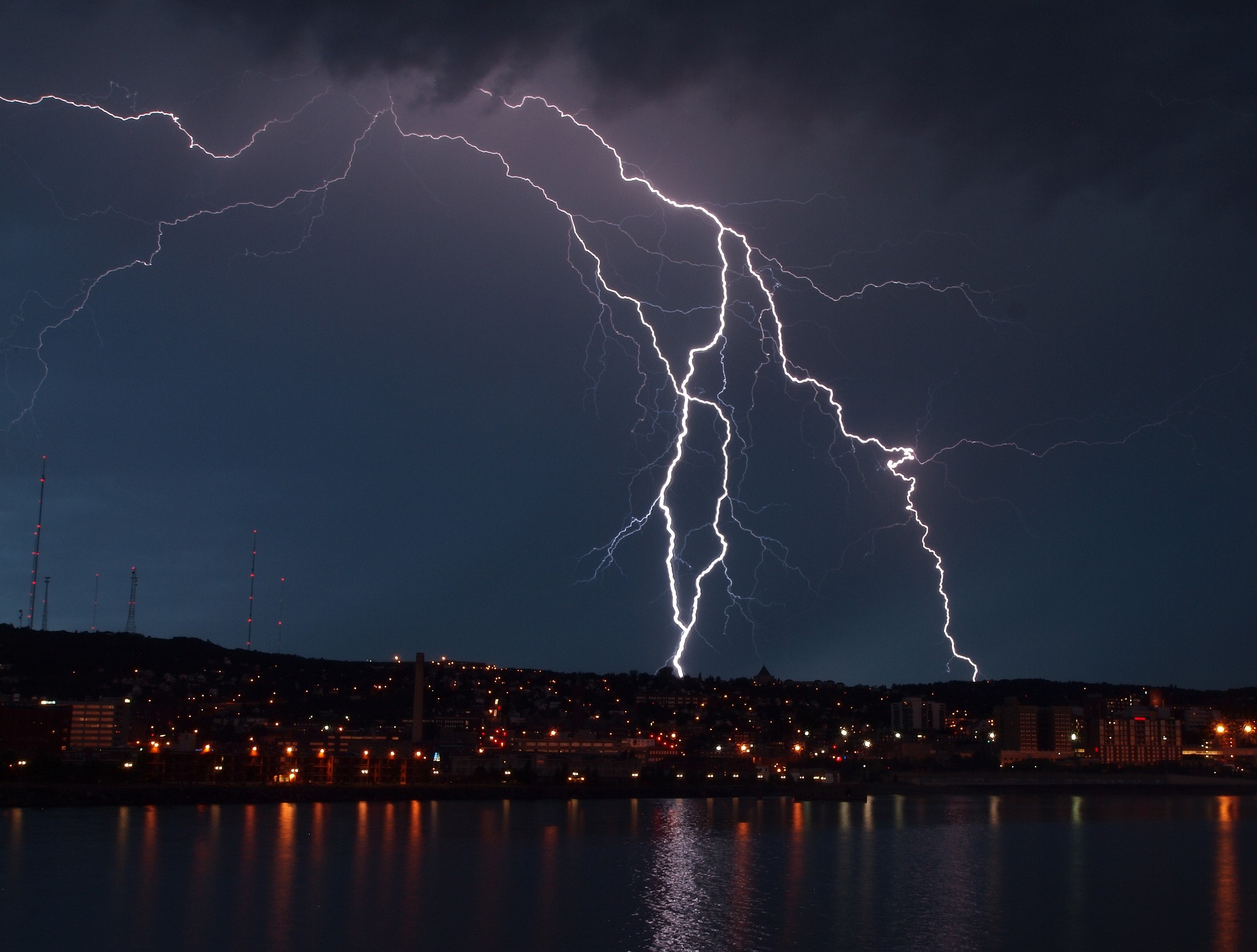
Lightning is one of nature’s most breathtaking spectacles, but among its many forms, green lightning stands out as a particularly rare and captivating phenomenon. Unlike the more common blue, white, or yellow lightning bolts, green lightning has intrigued scientists and weather enthusiasts for years. This article delves into the science behind green lightning, its causes, where it has been observed, and its implications for atmospheric and environmental studies.
What is Green Lightning?
Green lightning refers to lightning flashes that appear green in color, a rarity compared to other lightning hues. This unique coloration is not caused by an inherent difference in the lightning itself but rather by the atmospheric conditions and substances that interact with the lightning’s intense light.
How Lightning Forms
To understand green lightning, it is essential first to grasp the general formation of lightning. Lightning occurs due to the buildup and discharge of electrical energy within clouds or between clouds and the ground. This process can be broken down into several steps:
- Charge Separation: Within a thundercloud, strong updrafts and downdrafts cause water droplets, ice particles, and hail to collide. These collisions lead to a separation of charges—positively charged particles accumulate at the top of the cloud, while negatively charged particles gather at the bottom.
- Electric Field Formation: The separation of charges creates an electric field between the cloud and the ground or between different parts of the cloud.
- Electrical Breakdown: When the electric field becomes strong enough, it ionizes the air, making it conductive. This allows a rapid discharge of electricity—a lightning bolt.
- Emission of Light: The discharge heats the surrounding air to temperatures as high as 30,000 Kelvin, causing it to emit light. This light is typically perceived as a bright flash.
Causes of Green Lightning
The green hue in lightning is influenced by several factors:
- Oxygen Emissions: When lightning passes through areas with high concentrations of oxygen, the ionized oxygen molecules emit green light. This emission is most prominent when the lightning’s intensity excites the oxygen atoms, causing them to release photons in the green spectrum.
- Auroral Effects: Green lightning is often mistaken for auroras, which are also predominantly green due to the excitation of oxygen atoms by charged particles from the solar wind. In rare cases, auroral activity and thunderstorms can coincide, producing green lightning-like effects.
- Atmospheric Composition: Dust, pollutants, or volcanic ash in the atmosphere can scatter and filter the light from lightning, emphasizing green wavelengths.
- Viewing Conditions: The observer’s angle, distance, and local weather conditions can influence the perceived color of lightning.
Documented Occurrences of Green Lightning
While green lightning is exceedingly rare, it has been reported in specific scenarios:
- Volcanic Eruptions: During eruptions like those of Mount Pinatubo or Eyjafjallajökull, volcanic ash and gases have been observed to produce green-hued lightning. This is due to the interaction of lightning with the unique chemical composition of volcanic plumes.
- Severe Thunderstorms: In rare cases, green lightning has been observed during severe weather events, particularly in regions with significant atmospheric pollutants or unusual cloud compositions.
- Auroral Zones: Green lightning sightings are more common in high-latitude regions, where auroral activity frequently interacts with thunderstorm phenomena.
Scientific Significance of Green Lightning
The study of green lightning holds value for several scientific disciplines:
- Atmospheric Chemistry: Understanding the conditions that lead to green lightning provides insights into the composition of the atmosphere and the interactions between charged particles and atmospheric gases.
- Climate Studies: Analyzing rare lightning phenomena like green lightning helps researchers identify atmospheric anomalies that may be linked to broader climate patterns.
- Electrical Discharges in Volcanic Plumes: Studying volcanic lightning, including its green variations, aids volcanologists in understanding eruption dynamics and the electrical properties of volcanic ash clouds.
- Space Weather Interactions: In auroral regions, green lightning can shed light on the interplay between Earth’s magnetosphere and atmospheric phenomena.
Myths and Cultural Interpretations
Green lightning has not only captured the attention of scientists but also inspired myths and legends in various cultures. For example:
- In some folklore traditions, green lightning is seen as a harbinger of dramatic change or upheaval.
- In modern popular culture, green lightning is often associated with supernatural or extraterrestrial events, adding to its mystique.
Safety and Observation
As with any lightning phenomenon, green lightning poses significant dangers. Observers are advised to prioritize safety during thunderstorms by avoiding open areas, tall structures, and electronic devices. For those keen on observing or photographing green lightning, the following tips may help:
- Use Specialized Equipment: High-speed cameras and spectrometers can capture the fleeting green hue more effectively.
- Monitor Volcanic or Polar Regions: Green lightning sightings are more likely in these locations due to the unique atmospheric conditions.
- Collaborate with Meteorologists: Coordinating with experts increases the chances of witnessing and documenting this rare phenomenon.
Future Research Directions
Despite its rarity, green lightning continues to intrigue researchers. Future studies aim to:
- Develop advanced imaging techniques to capture green lightning in higher resolution.
- Model the exact atmospheric conditions that lead to its formation.
- Explore the role of human-induced factors, such as pollution, in its occurrence.
- Investigate the potential connection between green lightning and other atmospheric phenomena like sprites and jets.
Conclusion
Green lightning is a fascinating reminder of the complexity and beauty of Earth’s atmospheric processes. While it remains a rare occurrence, its study contributes to our broader understanding of the natural world, bridging gaps between meteorology, atmospheric science, and even folklore. For those lucky enough to witness it, green lightning is a vivid testament to the mysteries that still exist in our skies.