
 By admin
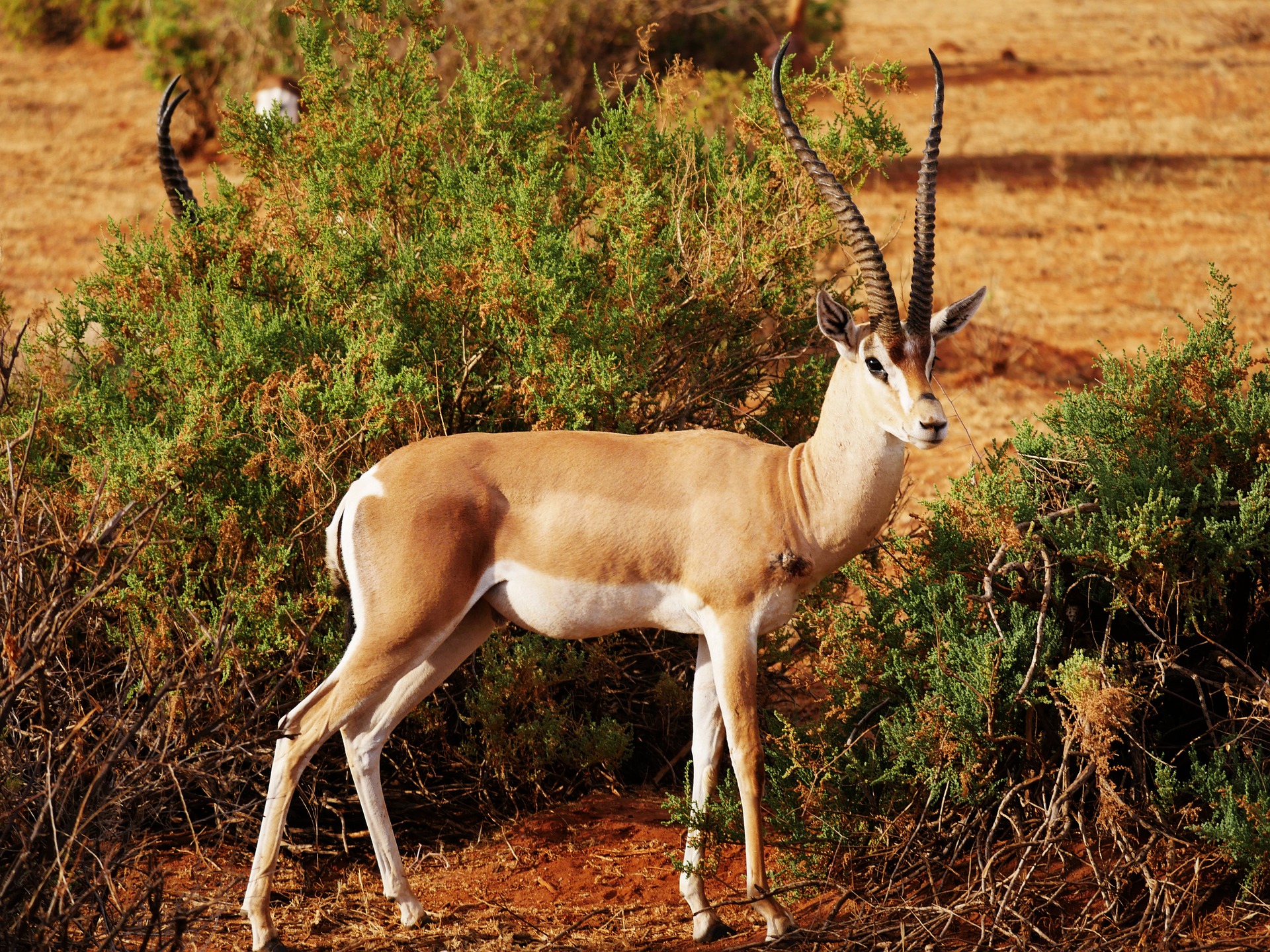
The Graceful Gazelle: A Marvel of the Animal Kingdom
The gazelle is a fascinating creature that captures the imagination of both nature enthusiasts and casual observers. Known for its elegance, speed, and agility, this animal is a true testament to the wonders of the natural world. Gazelles belong to the Bovidae family and are primarily found in the grasslands, savannahs, and deserts of Africa and parts of Asia. This article delves into the captivating life of gazelles, their habitat, behavior, and significance in ecosystems, offering an in-depth look at these majestic animals.
Taxonomy and Physical Characteristics
Gazelles are a genus within the Bovidae family, which also includes antelopes, sheep, and goats. The most well-known species include the Thomson’s gazelle (Eudorcas thomsonii), Grant’s gazelle (Nanger granti), and the dama gazelle (Nanger dama). These species vary slightly in size, coloration, and habitat preferences, but they share common characteristics that make them easily recognizable.
Gazelles are relatively small, with adults typically standing between 60 and 110 centimeters at the shoulder and weighing between 12 and 75 kilograms, depending on the species. They are known for their slender, lightweight bodies, which contribute to their remarkable speed. Their coats are usually fawn-colored with white underbellies, providing effective camouflage against predators. Most gazelles also have distinctive black markings on their faces and flanks.
One of the most striking features of gazelles is their horns. Both males and females of some species possess horns, though the males’ horns are usually longer and more curved. These horns are often used for defense and territorial disputes.

Habitat and Distribution
Gazelles are predominantly found in Africa, with some species also inhabiting parts of Asia, including the Arabian Peninsula and the Indian subcontinent. Their preferred habitats vary depending on the species but generally include grasslands, savannahs, and deserts. These environments provide the open spaces gazelles need to spot predators and escape swiftly.
Desert-dwelling species, such as the dama gazelle, have adapted to survive in harsh conditions with limited water. They can extract moisture from the plants they consume and have developed physiological adaptations to conserve water.
Behavior and Social Structure
Gazelles are social animals that typically live in herds ranging from a few individuals to several hundred. Herd structures often vary depending on the species and environmental conditions. For instance, Thomson’s gazelles form mixed groups of males, females, and young, while Grant’s gazelles tend to form smaller, more fragmented groups.
These animals are diurnal, meaning they are most active during the day. They spend much of their time grazing on grasses, leaves, and shoots. Gazelles are also known for their alertness and ability to detect predators from great distances. When threatened, they employ a combination of speed and agility to escape. They can reach speeds of up to 60 miles per hour in short bursts and maintain high speeds over long distances.
Gazelles use a behavior called “stotting” or “pronking,” where they leap into the air with all four legs stiff. This display is believed to serve multiple purposes, such as signaling fitness to predators, warning other herd members of danger, or confusing attackers.
Reproduction and Lifecycle
The mating habits of gazelles vary among species, but most exhibit polygynous behavior, where dominant males mate with multiple females. Breeding seasons are often timed to coincide with periods of abundant food to ensure the survival of the offspring.
After a gestation period of about six months, females give birth to a single calf, though twins are rare in some species. Newborn gazelles are highly vulnerable and rely on their mothers for protection. They often hide in tall grass for the first few weeks of life, only joining the herd when they are strong enough to keep up.
Young gazelles grow rapidly and are typically weaned within three to six months. They reach sexual maturity at around one year of age, though males may take longer to establish dominance and secure mates.
Ecological Role and Predators
Gazelles play a crucial role in their ecosystems as both prey and grazers. By feeding on grasses and other vegetation, they help maintain the health of grasslands and prevent overgrowth. In turn, they are a vital food source for predators such as lions, cheetahs, leopards, and hyenas.
Their ability to sustain high speeds makes gazelles a challenging prey for predators, influencing the evolution of hunting strategies among carnivores. For example, cheetahs have developed incredible acceleration to catch gazelles, while lions rely on teamwork and ambush tactics.
Conservation Status
Many gazelle species face threats from habitat loss, hunting, and climate change. The International Union for Conservation of Nature (IUCN) lists several species as endangered or critically endangered. For instance, the dama gazelle is critically endangered due to poaching and habitat encroachment.

Conservation efforts include protected reserves, anti-poaching measures, and habitat restoration. Organizations such as the African Wildlife Foundation and the World Wildlife Fund work tirelessly to ensure the survival of these iconic animals. Public awareness and support are also vital in addressing the challenges faced by gazelles and their habitats.
Adaptations to the Environment
Gazelles exhibit remarkable adaptations that allow them to thrive in diverse and often challenging environments. In arid regions, species like the sand gazelle have adapted to endure extreme temperatures and water scarcity. Their kidneys are highly efficient at conserving water, and they can withstand long periods without direct water intake, surviving solely on the moisture obtained from their diet.
In addition to physiological adaptations, gazelles possess behavioral strategies to avoid predators and environmental hazards. For example, during the hottest parts of the day, they often rest in shaded areas to conserve energy and avoid overheating. Their acute senses of sight, hearing, and smell are essential for detecting threats and finding food.
Human Impact and Conservation Challenges
Human activities pose significant threats to gazelle populations. Urban expansion, agriculture, and infrastructure development have led to habitat fragmentation and loss. In some regions, gazelles are hunted for their meat, hides, and horns, further exacerbating population declines.
Climate change also presents a growing challenge, altering the availability of water and food resources in gazelle habitats. Rising temperatures and shifting rainfall patterns can impact the delicate balance of ecosystems, forcing gazelles to adapt or migrate to new areas, which may expose them to additional risks.
Conservationists emphasize the importance of sustainable practices to mitigate these impacts. Promoting eco-tourism, enforcing stricter anti-poaching laws, and engaging local communities in conservation efforts are vital steps in protecting gazelle populations.
Cultural Significance
Gazelles have been a symbol of grace and beauty in various cultures throughout history. In Arabic poetry and literature, the gazelle is often associated with love, elegance, and purity. Its image has been used in art, jewelry, and folklore, reflecting its enduring appeal.
In modern times, gazelles continue to inspire through wildlife photography and documentaries, highlighting their beauty and the importance of preserving their habitats. They serve as ambassadors for conservation, reminding humanity of the intricate connections within the natural world.
Conclusion
The gazelle is more than just a beautiful animal; it is an integral part of the ecosystems it inhabits. From its role as a grazer to its cultural significance, the gazelle continues to captivate and inspire. Protecting these animals and their habitats is essential not only for biodiversity but also for preserving a symbol of natural elegance and resilience.
Through conservation efforts and increased awareness, we can ensure that future generations will continue to marvel at the grace and agility of the gazelle, a true marvel of the animal kingdom. With its ability to adapt, its ecological importance, and its enduring cultural symbolism, the gazelle stands as a testament to the resilience and beauty of nature.