
 By admin
Brazilian Culinary Specialties You Must Try on Your Journey
Introduction
Brazil is one of the most enchanting destinations in the world, famous for its vibrant culture, spectacular natural beauty, and infectious rhythms of samba and bossa nova. Yet beyond the breathtaking beaches of Rio de Janeiro and the historic streets of Salvador, Brazil’s true soul is revealed at the dining table. Brazilian cuisine is not just about food—it is a living cultural archive that reflects centuries of blending Indigenous traditions with African and Portuguese influences.
From the Amazon rainforest to the southern pampas, each region of Brazil tells its own story through flavors, techniques, and iconic dishes. What makes Brazilian food especially fascinating is its diversity: the hearty feijoada of Rio, the seafood-rich moqueca of Bahia, or the churrasco feasts of the South, each offers a taste of local heritage.
As Brazil rises as a top global travel destination in 2025, culinary tourism has gained remarkable popularity. According to the Brazilian Tourism Board, food-focused travel increased significantly in 2024, with international visitors seeking immersive dining experiences alongside sightseeing. Restaurants across Brazil are innovating while preserving authenticity, ensuring travelers can explore both classic dishes and modern interpretations.
This article explores Brazil’s most iconic specialties—foods that every traveler must taste to truly understand the country’s essence. From street food to festive stews, from sweet delights to refreshing drinks, here is your guide to experiencing Brazil’s vibrant culinary treasures.
The National Treasure: Feijoada
What Is Feijoada?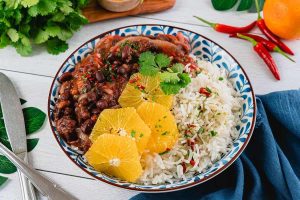
No dish represents Brazil better than feijoada, a hearty black bean stew traditionally cooked with pork ribs, sausages, and bacon. Slow-cooked for hours, it creates a rich depth of flavor that comforts the soul and nourishes the body. Its origins trace back to Portuguese settlers and African communities, making it both a historical and cultural symbol.
When and How It’s Served
In Rio de Janeiro, feijoada is a ritual. Traditionally served on Wednesdays and Saturdays, it is accompanied by rice, sautéed collard greens, orange slices, and farofa (toasted cassava flour). In many restaurants, the meal is paired with live samba music, creating a festive, communal experience.
Cultural Significance
More than just food, feijoada embodies togetherness. Families gather around large pots, sharing not only a meal but stories and laughter. For visitors, tasting authentic feijoada means partaking in Brazil’s warm hospitality and communal spirit.
The Irresistible Snack: Coxinha
A Street Food Icon
Walking through any Brazilian city, you’ll be drawn by the aroma of coxinha, the country’s most beloved street snack. Shaped like a teardrop and golden on the outside, this fried croquette hides a filling of shredded chicken mixed with cream cheese.
Variations of Coxinha
Over time, chefs and street vendors have experimented with versions featuring shrimp, spicy beef, or even vegetarian options with hearts of palm. Gourmet coxinhas are now trending in Brazil’s food scene, reflecting how traditional snacks are evolving in 2025.
Where to Try It
From bustling São Paulo bakeries to beachside stalls i n Fortaleza, coxinha is everywhere. Whether eaten with a cold beer or a fresh juice, it is the perfect snack to enjoy on the go.
Bold Flavors of the Northeast: Sarapatel
Origins of Sarapatel
In the northeastern states like Pernambuco and Sergipe, sarapatel reigns as one of the boldest dishes. Influenced by Portuguese settlers and African traditions, sarapatel reflects the region’s adventurous use of spices and ingredients.
Ingredients and Preparation
This robust stew is made from pork offal marinated in vinegar and cooked with blood, onions, garlic, and chili peppers. It may sound unusual to the uninitiated, but it delivers an intense, savory flavor that locals cherish.
When to Eat It
Often served during festivals and religious celebrations, sarapatel reflects how food connects with Brazilian spirituality and identity. Eating sarapatel is not just about taste—it is about honoring traditions.
Other Culinary Specialties Worth Discovering
Moqueca: The Coastal Seafood Stew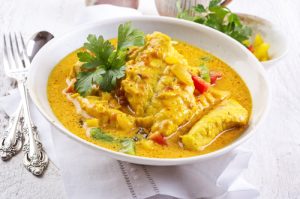
- A fragrant stew of fish or shrimp simmered in coconut milk, palm oil, tomatoes, onions, and peppers.
- Served in clay pots, especially in Bahia and Espírito Santo, which both claim distinct versions.
- Recently, chefs have introduced lighter, vegan-friendly moquecas using plant-based proteins, catering to global dietary trends.
Pão de Queijo: Cheese Bread Delights
- These chewy, gluten-free cheese breads made with cassava flour and Minas cheese are a Brazilian breakfast staple.
- They have gained international fame in 2024–2025, appearing in cafés worldwide as demand for gluten-free foods grows.
Acarajé: Afro-Brazilian Street Food
- Deep-fried fritters made from black-eyed peas, split open and filled with shrimp, vatapá (a spicy paste of bread, peanuts, and coconut milk), and hot pepper sauce.
- A dish with Afro-Brazilian roots, strongly tied to Bahia’s Candomblé religious practices. Recognized by UNESCO as part of Brazil’s cultural heritage.
Brigadeiro: Sweet Brazilian Indulgence
- A chocolate truffle made with condensed milk, cocoa, butter, and sprinkles.
- Popular at birthdays, weddings, and even corporate events. In 2025, creative versions featuring pistachio, Nutella, and vegan alternatives have become trendy.

Regional Diversity in Brazilian Cuisine
The South: Grilled Meats and Churrasco
- Known for churrascarias, Brazilian steakhouses serving endless cuts of beef, pork, and chicken grilled over open flames.
- Accompanied by chimichurri and farofa, churrasco represents the gaucho (cowboy) culture of southern Brazil.
The North: Amazonian Flavors
- Cuisine here is shaped by Indigenous traditions and exotic ingredients from the rainforest.
- Staples include river fish like tambaqui, cassava-based dishes, and fruits such as cupuaçu and açaí.
- Recently, Amazonian superfoods have become popular in health-conscious diets worldwide.
The Northeast: Spicy and Flavorful
- Strong African and Portuguese influences dominate here, with coconut milk, palm oil, and chili peppers defining many dishes.
- Salvador de Bahia remains a hub of culinary tourism, offering visitors immersive cooking classes in 2025.
The Center-West: Rustic and Authentic
- The Pantanal region inspires cuisine rich in freshwater fish, cassava, and game meats.
- Travelers often encounter hearty stews and rustic dishes reflecting the lifestyle of cattle ranchers and fishermen.
Drinks That Complete the Experience
Caipirinha: Brazil’s National Cocktail
- Made with cachaça (sugarcane spirit), lime, sugar, and ice.
- In recent years, variations with passion fruit, strawberries, or even sake (caipisake) have gained popularity.
Guaraná: The Popular Soft Drink
- A refreshing soda made from the guaraná fruit of the Amazon.
- Still one of Brazil’s most consumed beverages in 2025, competing with global brands.
Fresh Juices and Coconut Water
- Brazil’s tropical fruits provide endless juice options—mango, papaya, cashew fruit, and passion fruit are favorites.
- Coconut water, served straight from the coconut on beaches, is a symbol of Brazilian summer.
Conclusion
Brazilian cuisine is more than just a collection of dishes—it is an invitation to experience the country’s soul. Each bite tells a story of Indigenous roots, African heritage, and Portuguese influence, woven together to create one of the world’s most vibrant culinary landscapes.
From the comforting warmth of feijoada to the crunch of coxinha, the daring flavors of sarapatel, and the sweetness of brigadeiro, Brazilian food delights travelers while connecting them to history and tradition. Beyond the flavors, it is about community—whether at a lively Rio tavern, a bustling market in Bahia, or a churrasco in the South.
For 2025 travelers, discovering Brazilian cuisine is not optional—it is essential. To truly know Brazil, one must taste its food, savor its spices, and share in its joyous hospitality. Let your journey through Brazil be not only about landscapes, music, and football, but also about the unforgettable flavors that define its heart and soul.
Top Travel Destinations for September