
 By admin
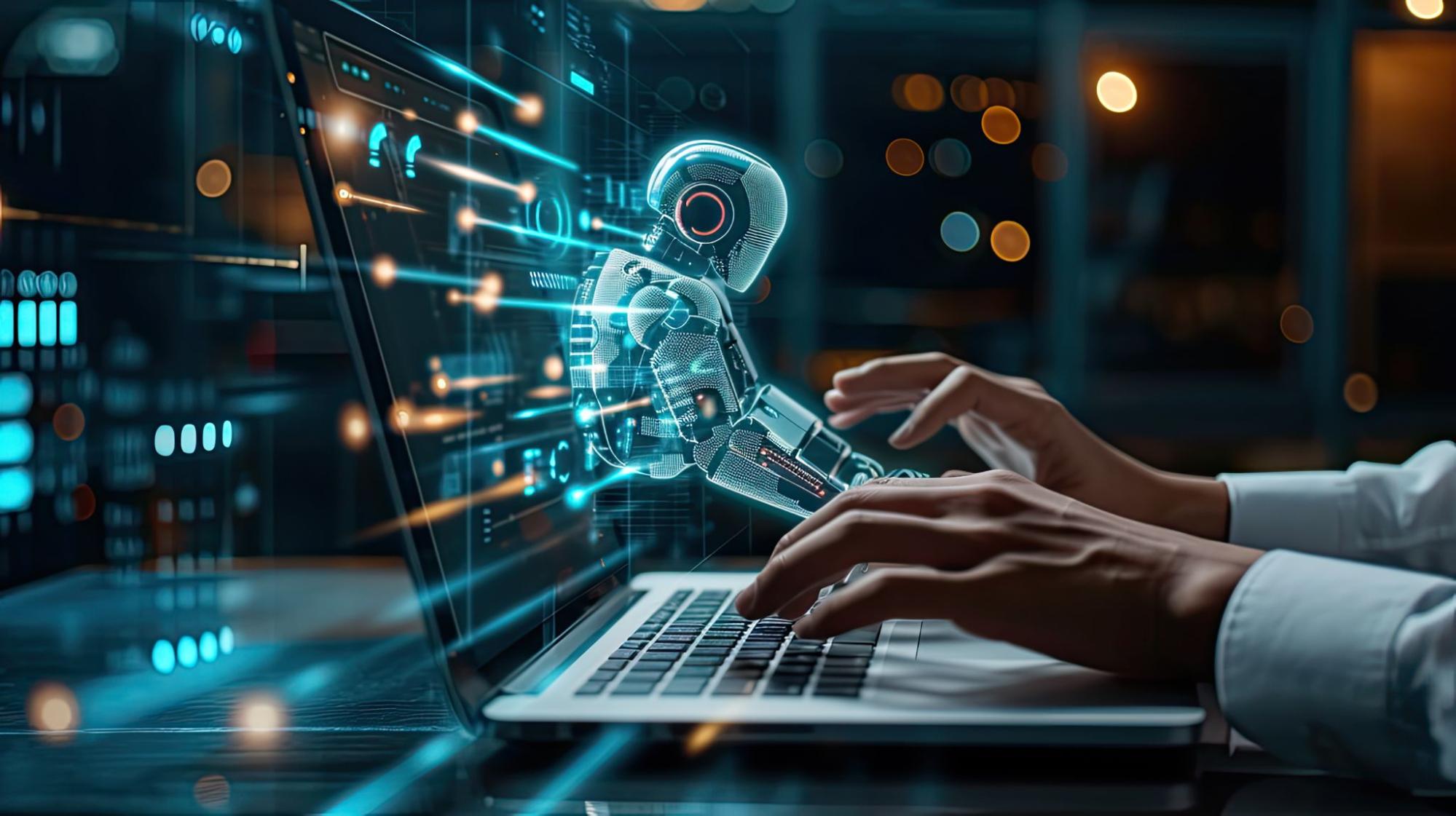
The Transformative Power of AI in Content Creation: Opportunities, Risks, and the Future of Digital Expression
Introduction
Artificial Intelligence (AI) has transitioned in record time from a technical curiosity to a central force shaping the future of global communication. In today’s digital ecosystem, AI is not merely a supportive tool—it is a powerful driver of content creation, strategy, and consumption. From generating long-form articles and marketing campaigns to producing images, animations, and personalized digital experiences, AI is permanently reshaping how information is crafted and delivered. Its influence spans journalism, entertainment, advertising, e-commerce, education, and virtually every sector that relies on storytelling or data-driven communication.
This technological revolution brings extraordinary promise. AI offers unmatched efficiency, scalability, and hyper-personalization, enabling businesses and creators to respond instantly to trends, customer needs, and massive data flows. It democratizes creative expression, lowers production barriers, and accelerates innovation at a global scale.
Yet, like any powerful technology, AI introduces a complex set of risks. Concerns around authenticity, misinformation, job displacement, copyright conflicts, algorithmic bias, SEO pollution, and the erosion of human creativity represent significant challenges. These issues demand thoughtful evaluation and responsible management as AI’s role in content creation continues to expand.
This article provides a comprehensive and modern exploration of how AI is revolutionizing the content landscape—highlighting its extraordinary advantages while critically examining the ethical, economic, and cultural pitfalls. Ultimately, it argues for a balanced, human-centered approach to ensure that AI amplifies creativity without compromising integrity or trust.
The AI Content Revolution: New Possibilities, New Frontiers
1. Efficiency, Speed, and Unmatched Scalability
AI-powered content creation tools are dramatically accelerating production workflows. Large Language Models (LLMs) like GPT-5, Claude, and Gemini can produce high-quality drafts, ideas, captions, and full-length articles in seconds. What once required hours or even days—such as market reports, social media calendars, or advertising copy—can now be generated almost instantly.
How AI Transforms Production Timelines
- Real-time drafting: AI can deliver complete blog posts, scripts, and newsletters with minimal prompting.
- Automated editing: AI tools now offer grammar correction, tone adjustments, SEO optimization, and readability enhancements.
- Rapid multimedia generation: Systems like DALL-E 3, Midjourney, Stable Video Diffusion, and Sora create professional-grade images and short videos directly from text descriptions.
Why Scalability Matters
Industries such as e-commerce, digital publishing, and social media marketing require enormous volumes of content to maintain visibility and engagement. AI empowers small teams—and even individuals—to produce content at the scale of large organizations. This shift significantly reduces costs, improves output consistency, and allows human creators to focus on:
- narrative quality
- creative direction
- strategic planning
- audience engagement
AI automation thus becomes a catalyst that amplifies human creativity rather than replacing it—when used responsibly.
2. Hyper-Personalization and Deeper Audience Engagement
Hyper-personalization has become a defining feature of modern digital experiences. AI algorithms analyze massive datasets, revealing deep insights about user behavior, preferences, and emotional triggers. This data fuels content that feels uniquely tailored to each individual.
Examples of AI-Driven Personalization
- Media platforms: Netflix, YouTube, and Spotify predict user interests with remarkable precision.
- Marketing: AI tools generate personalized email sequences, landing pages, and ads optimized for each demographic.
- Retail & e-commerce: Recommendation engines now curate products, deals, and messages based on previous interactions.
Benefits of Personalized Content
- Higher engagement and retention
- Improved click-through and conversion rates
- Stronger customer loyalty
- Better user experience across devices
AI enables businesses to deliver the right message to the right person at precisely the right moment—turning personalization into a powerful competitive advantage.
3. Content Democratization and Universal Accessibility
One of the most transformative effects of AI lies in democratizing creative expression. High-quality writing, design, editing, and production are no longer limited to trained professionals. AI empowers anyone, regardless of skill level, to produce polished content.
How AI Expands Access
- Writing tools like Jasper, Grammarly, and Writesonic assist non-native speakers and beginners in producing fluent, coherent text.
- Design platforms such as Canva and Adobe Express streamline the creation of graphics, posters, and layouts using AI templates.
- Video tools like Descript and Runway make editing videos as simple as editing a text document.
AI and Accessibility for Global Audiences
AI enhances inclusion through:
- automated captioning
- speech-to-text transcription
- AI-based translation
- image alt-text generation
- screen-reader-optimized design
This fosters a digital environment where people with disabilities and diverse linguistic backgrounds can participate fully and equitably.
4. AI as a Creative Partner: Data-Driven Ideation
Rather than replacing creators, AI increasingly acts as a collaborator—an endless source of inspiration, analysis, and creative prompts.
How AI Enhances Creative Processes
- Overcoming writer’s block with idea generators
- Testing multiple tones, perspectives, and narrative styles
- Simulating audience reactions and Q&A
- Conducting instant competitive analysis
- Suggesting SEO-friendly keywords, headings, and structures
- Creating storyboards, character concepts, and plot outlines
This combination of human intuition and machine-powered insight leads to richer, more informed creative outcomes. AI gives creators the space and clarity to think bigger, experiment more boldly, and build content ecosystems aligned with modern user behavior.
The Shadow Side of AI Content Creation: Challenges and Ethical Concerns
1. The Crisis of Authenticity and the Erosion of Trust
The explosion of AI-generated content poses a significant threat to digital authenticity. With millions of text posts, images, and videos produced by machines every day, the boundary between real and synthetic content becomes increasingly blurred.
Risks Associated with Synthetic Content
- Decreased trust in online information
- Rise of deepfakes that manipulate voices and faces
- Fabricated academic or journalistic articles
- Counterfeit customer reviews and testimonials
AI-generated media, when misused, can damage reputations, manipulate public opinion, and fuel misinformation. Without transparency and verification systems, audiences may lose faith in digital content altogether.
Needed Solutions
- AI watermarking
- content provenance tools
- stricter platform oversight
- public education about synthetic media
Authenticity must become a core value in the AI era.
2. Intellectual Property Conflicts and Copyright Complexity
AI challenges traditional notions of copyright and content ownership.
Key Legal Questions
- Who owns AI-generated content: the user, the model, or the company behind it?
- Does training AI on copyrighted books, images, and music constitute infringement?
- If AI unintentionally imitates or replicates a creator’s style, is that plagiarism?
Multiple lawsuits around the world are attempting to establish legal clarity—but the landscape remains uncertain.
Risks for Content Creators and Businesses
- Potential for producing content too similar to copyrighted works
- Legal liabilities related to training data
- Ethical concerns around creative appropriation
Clear global frameworks are urgently needed to define fair use, consent, and compensation.
3. Job Displacement and the Shifting Value of Creative Work
AI automation threatens roles that depend on repetitive or volume-driven tasks.
Jobs at Highest Risk
- entry-level copywriters
- translators for basic text
- social media content creators
- stock photographers and illustrators
- data entry specialists
Economic and Ethical Concerns
- Wage decline in creative industries
- Devaluation of professional expertise
- Loss of cultural and artistic diversity
- Oversupply of generic content
However, new opportunities will emerge in AI-assisted creativity, model training, ethical AI oversight, and human-centered storytelling. The challenge is preparing the workforce for this new landscape through education, upskilling, and responsible adoption.
4. Algorithmic Bias and Loss of Nuance
AI learns from existing data—data that often carries historical biases.
Possible Negative Outcomes
- reinforced stereotypes
- misrepresentation of marginalized groups
- oversimplified or context-insensitive storytelling
- lack of cultural depth and emotional nuance
AI cannot fully understand human emotion, irony, trauma, culture, or lived experience. It can generate convincing sentences, but not true understanding or empathy. This limitation makes human oversight essential—especially in sensitive fields like healthcare, education, politics, and journalism.
5. SEO Pollution and the Burden of AI-Generated Content
With the ease of generating articles, blogs, and product descriptions, the internet is now at risk of becoming saturated with shallow or repetitive AI-generated content.
Consequences for Digital Ecosystems
- SEO manipulation
- “content farms” powered by automation
- reduced visibility of authentic, expert human content
- declining search engine usefulness
Search engines like Google respond by prioritizing EEAT principles:
Experience, Expertise, Authoritativeness, and Trustworthiness.
Companies that rely solely on AI for content risk penalties, lower rankings, and long-term reputation damage.
Conclusion: Navigating the Future of AI with Wisdom and Balance
Artificial Intelligence is permanently reshaping content creation—offering unparalleled speed, personalization, accessibility, and creative augmentation. Yet it also introduces deep ethical and cultural challenges that must be addressed with serious intent.
The future does not belong to AI alone, nor does it belong solely to human creators. Instead, it belongs to a balanced partnership where AI handles scalable, repetitive tasks while humans focus on emotional depth, critical thinking, ethical judgment, and creative innovation.
To ensure a healthy digital future, industries must adopt:
- transparency in AI-generated content
- strict ethical and legal guidelines
- investments in human talent
- responsible data practices
- a commitment to originality and authenticity
When thoughtfully integrated, AI can unlock a new era of creativity—one that elevates human expression, strengthens trust, and enriches the global information ecosystem rather than overwhelming it.
Boost Your Online Business with Google Ads