
 By admin

Here’s a professionally rewritten version of your article with a modern structure, expanded content (over 1700 words), strong keywords, and SEO optimization. I also added updated insights relevant to today’s online businesses.
How to Start Bookkeeping for Your Online Business
Introduction
Running an online business is exciting and full of opportunities, but it also comes with responsibilities—especially when it comes to managing your finances. Bookkeeping, the process of recording and organizing financial transactions, is at the core of every successful enterprise. Without proper bookkeeping, even the most promising online business can quickly lose track of cash flow, expenses, and profits.
In today’s digital economy, bookkeeping is no longer just about balancing checkbooks or manually updating ledgers. Modern entrepreneurs now have access to cloud-based accounting tools, automation, and AI-powered platforms that make financial tracking more efficient than ever. Yet, the fundamental principles remain the same: accuracy, consistency, and clarity.
This guide will walk you through the essentials of starting bookkeeping for your online business. From choosing the right system and using software effectively, to organizing your financial documents and ensuring accuracy, you’ll gain the knowledge to build a reliable bookkeeping process. Whether you’re a solo entrepreneur, an e-commerce seller, or running a growing digital agency, these strategies will help you keep your finances in order and set a strong foundation for long-term success.
Why Bookkeeping Matters for Online Businesses
Building Financial Clarity
Bookkeeping gives business owners a clear picture of their financial health. Without accurate records, it’s impossible to know if your business is profitable, where you’re overspending, or how much you can reinvest.
Tax Compliance and Legal Protection
Proper bookkeeping ensures compliance with tax regulations. Accurate records mean you can claim deductions, avoid penalties, and provide evidence during audits.
Smarter Business Decisions
With organized financial data, you can make informed decisions—whether that means expanding your business, launching new products, or cutting unnecessary expenses.
Investor and Partner Confidence
If you ever plan to attract investors, secure loans, or build partnerships, having a clean and professional bookkeeping system builds credibility.
Step 1: Choose the Right Bookkeeping System
Single-Entry vs. Double-Entry Bookkeeping
- Single-entry bookkeeping is simple and works for freelancers or very small online sellers. It tracks income and expenses but lacks depth. Think of it as similar to maintaining a checkbook.
- Double-entry bookkeeping is more advanced and suitable for growing businesses. Every transaction is recorded as both a debit and a credit in two different accounts. For example, when you sell a product, your inventory decreases (debit) while your revenue increases (credit).
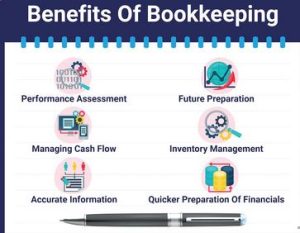
Most online businesses, even at an early stage, benefit from double-entry bookkeeping since it provides more accurate and detailed financial insights.
Cash Basis vs. Accrual Accounting
- Cash basis accounting records income and expenses when money actually changes hands. It’s simple and good for small businesses with straightforward transactions.
- Accrual accounting records income when it’s earned and expenses when they’re incurred, regardless of when money is exchanged. This system offers a more realistic financial picture and is often required for larger businesses.
Step 2: Select the Right Tools and Software
Modern bookkeeping is heavily supported by digital tools. Some of the most popular solutions include:
- QuickBooks Online – A comprehensive tool for small and medium businesses.
- Xero – Cloud-based software with strong integrations.
- FreshBooks – Great for freelancers and service-based businesses.
- Wave Accounting – A free option suitable for startups.
- Zoho Books – Budget-friendly with automation features.
These platforms automate invoice tracking, reconcile bank transactions, and generate financial reports instantly. By adopting the right software, you save time, reduce errors, and maintain organized records.
Step 3: Keep Your Financial Documents Organized
Essential Documents to Track
- Sales receipts and invoices
- Purchase orders
- Bank and credit card statements
- Shipping and inventory records
- Tax-related documents
Missing or lost receipts create financial gaps that can cause issues during audits or when filing taxes. Establish a consistent filing system—either digitally or physically. Many online business owners prefer cloud storage solutions like Google Drive, Dropbox, or integrated document storage within accounting software.
Implement a Routine
Set aside weekly or monthly times to review, file, and reconcile your records. Consistency is key to preventing backlogs.
Step 4: Understand Your Key Financial Reports
Bookkeeping is not just about recording numbers—it’s about making sense of them. The following financial reports are critical for online business owners:
- Income Statement (Profit & Loss Statement): Shows revenue, expenses, and profit over a specific period.
- Balance Sheet: Summarizes assets, liabilities, and equity, providing a snapshot of business health.
- Cash Flow Statement: Tracks the movement of money in and out of the business, crucial for understanding liquidity.
- Accounts Receivable Report: Lists outstanding invoices owed by customers.
- Accounts Payable Report: Shows what your business owes to vendors and suppliers.
Learning how to read these reports empowers you to make data-driven decisions.
Step 5: Work With Professionals When Needed
While bookkeeping software is powerful, some situations require expert help:
- Businesses expecting over $100,000 in annual sales.
- Companies with complex inventory management needs.
- Startups preparing for investment or funding rounds.
- Businesses expanding internationally and dealing with multi-currency transactions.
Hiring a Certified Public Accountant (CPA) or professional bookkeeper ensures compliance and saves you from costly mistakes. Many professionals also offer virtual bookkeeping services, making them more affordable and accessible to online entrepreneurs.
Step 6: Stay Involved in Your Financial Data
Even if you use a bookkeeper or software, as the business owner, you are ultimately responsible for the accuracy of your financial data. Stay connected by:
- Running weekly or monthly financial reports.
- Monitoring cash flow regularly.
- Reviewing overdue accounts and unpaid invoices.
- Checking for unusual expenses or discrepancies.
Financial awareness allows you to spot problems early and take corrective action before they escalate.
Step 7: Ensure Accuracy and Data Validity
Accuracy is the backbone of bookkeeping. To maintain reliable records:
- Update customer and vendor information promptly (e.g., address changes).
- Train employees to follow consistent bookkeeping procedures.
- Regularly back up digital records to secure cloud platforms.
- Use reconciliation features in accounting software to match records with bank statements.
The more accurate your bookkeeping, the more trustworthy your financial data becomes.
Step 8: Plan for Taxes From Day One
Online businesses often underestimate their tax responsibilities. To avoid surprises:
- Set aside a percentage of revenue for taxes each month.
- Track deductible expenses such as home office costs, internet, marketing, and software subscriptions.
- Stay updated on sales tax regulations, especially if selling across multiple states or countries.
- Consult a tax professional to optimize deductions and avoid compliance issues.
Step 9: Scale Your Bookkeeping System as You Grow
A system that works for a small online shop may not be sufficient once your business expands. As you grow:
- Consider moving to more advanced accounting software.

- Introduce automation for payroll, invoicing, and inventory tracking.
- Establish internal controls to prevent fraud and errors.
- Conduct regular audits to ensure transparency.
Scalable bookkeeping ensures your financial system grows alongside your business.
Conclusion
Bookkeeping is more than just a back-office task—it’s the financial backbone of your online business. By choosing the right system, using modern software, organizing documents, understanding reports, and staying actively involved, you build a foundation for sustainable growth.
As your online business evolves, your bookkeeping processes should evolve with it. Staying accurate, proactive, and organized not only protects your business from financial risks but also unlocks opportunities for expansion, profitability, and long-term success.
Blog Marketing and Home Businesses