
 By admin

Fashion Design Schools: How to Choose the Best Path for Your Creative Future
Introduction
Fashion has always been more than just clothing—it is a form of personal expression, cultural identity, and an industry worth billions of dollars globally. From haute couture runways in Paris to streetwear trends shaping youth culture worldwide, fashion design plays a vital role in shaping how societies express themselves.
For those who feel an undeniable passion for creating clothing, experimenting with fabrics, or reinventing patterns, pursuing fashion design as a career can be deeply rewarding. However, natural talent alone is rarely enough in such a competitive industry. This is where fashion design schools come in. They provide aspiring designers with technical knowledge, creative refinement, and industry connections that transform passion into a sustainable career.
But with so many prestigious institutions across the globe, one critical question arises: How do you choose the best fashion design school for you?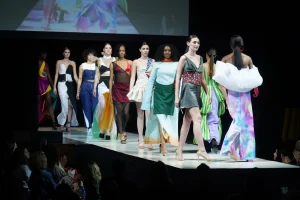
This article explores the benefits of attending a fashion design school, highlights world-renowned institutions, and provides ten practical tips to help future designers select the right program for their goals.
Why Attend a Fashion Design School?
While some legendary designers like Coco Chanel and Karl Lagerfeld entered the industry without formal education, today’s global fashion scene is far more demanding. A degree from a reputable fashion school not only validates your skills but also equips you with the tools to thrive in a constantly evolving industry.
Key Benefits of Enrolling in a Fashion Design Program
- Stay Updated with Global Trends: Fashion schools provide access to the latest trends, technologies, and design philosophies shaping modern fashion.
- Boost Your Confidence and Skills: Gaining formal training and a degree instills the confidence needed to pursue careers in highly competitive markets.
- Deepen Your Technical Knowledge: Students learn the principles behind patterns, fabric selection, garment construction, and advanced sewing techniques beyond simple stitching.
- Master Color Theory and Styling: Understanding how to mix and match colors and cuts can elevate your designs to professional standards.
- Learn Beyond Designing: Fashion programs often include business management, branding, sustainability practices, and digital fashion design—skills crucial for long-term success.
- Networking Opportunities: Working with fellow students, instructors, and industry professionals can lead to lifelong partnerships and collaborations.
- Access to Career Opportunities: Fashion schools often maintain relationships with major fashion houses, retailers, and startups, helping students land internships and jobs.
Simply put, fashion school transforms raw creativity into a well-rounded profession by combining artistic vision with practical knowledge.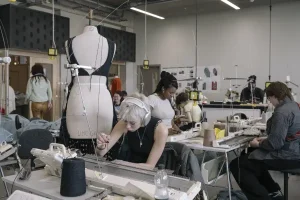
World-Renowned Fashion Design Schools
Several institutions around the globe stand out for shaping some of the most successful designers in history. These schools are known not only for their rigorous academic programs but also for their strong ties to the fashion industry.
Europe
- Central Saint Martins (London, UK): Known for producing stars like Alexander McQueen, John Galliano, and Stella McCartney. It emphasizes creativity, innovation, and pushing artistic boundaries.
- London College of Fashion (UK): Specializes in fashion business, media, and technology alongside design.
- Royal Academy of Fine Arts (Antwerp, Belgium): Famous for its avant-garde approach and alumni like the “Antwerp Six.”
- Institut Français de la Mode (Paris, France): Offers cutting-edge programs in both design and luxury brand management.
United States
- Parsons School of Design (New York City): With alumni like Marc Jacobs and Tom Ford, Parsons is a hub for creativity and industry connections.
- Fashion Institute of Technology (FIT, New York): Offers hands-on, career-focused education with access to the heart of the U.S. fashion industry.
- Otis College of Art and Design (Los Angeles): Known for its strong connections with California’s fashion and entertainment industry.
Asia
- Bunka Fashion College (Tokyo, Japan): One of Asia’s most respected fashion schools, producing designers like Kenzo Takada and Yohji Yamamoto.
- National Institute of Fashion Technology (India): Known for blending traditional textiles with modern fashion design education.
Each of these schools has its own strengths, cultural influences, and industry partnerships, making them unique. The challenge is not finding a good school but identifying which one is the right fit for your personal goals.
How to Choose the Best Fashion Design School for You
Selecting the right school is a life-changing decision. Below are ten essential tips to guide aspiring designers through the process.
1. Define Your Major and Specialization
Fashion design is broad—it includes womenswear, menswear, textile design, accessory design, fashion marketing, and even digital fashion. Begin by asking: Which area of fashion excites me most? Once you know your focus, look for schools that excel in that field.
2. Create Your Evaluation Criteria
Make a checklist of what matters most to you. Consider factors like program structure, course duration, available majors/minors, tuition fees, location, internships, and graduate success rates.
3. Build a List of Potential Schools
Research online, talk to alumni, and attend education fairs. Compile a list of schools that match your career aspirations.
4. Gather In-Depth Information
Visit each school’s official website. Study their curriculum, faculty profiles, admission requirements, student reviews, and career placement statistics.
5. Narrow Down Your Options
Apply your criteria from Step 2 to eliminate schools that don’t align with your goals, budget, or desired specialization.
6. Experience the Schools Firsthand
If possible, schedule a campus visit or attend an open house. Many schools now offer virtual tours, student Q&A sessions, and online webinars.
7. Prepare and Submit Applications
Gather your academic records, recommendation letters, and most importantly, your portfolio. A strong portfolio showcasing your creativity is often more important than grades.
8. Explore Scholarship Opportunities
Fashion schools can be expensive, especially in global fashion capitals. Research scholarships, grants, and financial aid programs offered by institutions or external organizations.
9. Compare Offers and Make a Decision
Evaluate acceptance letters alongside scholarship results. Consider not only tuition costs but also living expenses, location benefits, and industry opportunities.
10. Prepare for Your Journey
Once admitted, prepare mentally and financially for the exciting journey ahead. Fashion school is rigorous but rewarding, demanding both creativity and discipline.
The Future of Fashion Education
The fashion industry is evolving rapidly, and so is fashion education. Modern fashion schools are integrating technology, sustainability, and inclusivity into their programs.
- Digital Fashion & 3D Design: With the rise of virtual clothing and fashion in the metaverse, schools are teaching 3D modeling, digital textiles, and AR/VR applications.
- Sustainability: Students learn eco-friendly design, circular fashion, and ethical sourcing to meet global sustainability demands.
- Globalization of Fashion: Schools emphasize cross-cultural design thinking, preparing students for international careers.
- Business & Entrepreneurship: Beyond design, many programs now include fashion entrepreneurship, e-commerce, and branding strategies.
These shifts mean that future designers won’t just create clothes—they’ll create solutions that shape the future of fashion.
Conclusion
Fashion design schools are more than just places of learning—they are gateways to careers in one of the most dynamic and influential industries in the world. By attending a top institution, you gain the technical expertise, creative vision, and industry connections necessary to thrive in today’s competitive market.
Choosing the right school requires reflection, research, and careful decision-making. Define your specialization, set clear criteria, explore schools thoroughly, and align your choice with your long-term goals. With dedication and the right education, your passion for fashion can evolve into a lifelong, rewarding career.
So, whether your dream is to become the next big runway designer, innovate in sustainable fashion, or launch your own label, the journey begins with one critical step: choosing the best fashion design school for you.
The History of Turkish Fashion