
 By admin

7 Steps to Great Makeup: The Modern Woman’s Guide to Flawless Beauty
Introduction
Makeup is an art form—one that allows you to express your individuality, enhance your natural beauty, and project confidence in every situation. Whether you’re preparing for a business meeting, a casual brunch, or a night out, makeup plays a central role in helping you look and feel your best.
However, achieving the perfect look isn’t about layering on product after product—it’s about knowing how to balance, blend, and choose the right shades and textures for your skin tone, facial structure, and personal style. In this comprehensive guide, we’ll walk you through seven essential steps to great makeup, with expert advice, product recommendations, and modern techniques to help you elevate your beauty routine.
Step 1: Avoid Wearing Too Much Makeup
The Power of Subtlety
The golden rule of beauty is simple: makeup should enhance your features, not hide them. One of the most common mistakes many women make is applying too much product, which can draw attention for all the wrong reasons. In 2025, makeup trends emphasize a natural, radiant look—healthy skin with soft color accents rather than heavy layers.
Foundation and Blending
Your foundation is the base of your entire look. Choose a formula that matches your skin tone and undertone—whether it’s warm, cool, or neutral. A good foundation should even out your complexion without creating a mask-like effect.
Modern formulations, such as serum foundations and tinted moisturizers, offer lightweight coverage while delivering hydration and skin-care benefits.
The key is blending. Use a damp makeup sponge or brush to distribute the product evenly. Always check your makeup in natural light to ensure there are no visible lines around your jawline or hairline.
Eyeliner and Mascara
Dark, thick eyeliner can overpower your eyes and make your look feel harsh. Instead, opt for softly smudged pencil liners or brown gel liners for a natural definition. When applying mascara, remember that less is more. Two light coats are usually enough to open up the eyes without clumping or flaking. Waterproof formulas are great for long wear, but choose nourishing versions to protect your lashes from dryness.
Powder and Setting
Setting powder keeps your makeup in place and prevents shine, especially in the T-zone. However, using too much can make your face look flat and cakey. Opt for translucent loose powder or finely milled mineral powder, applying lightly only where needed.
The goal is to keep your skin’s natural glow visible while controlling excess oil.
Step 2: Mastering the Perfect Lips
Lip Liner and Shape Definition
Lip makeup has evolved from the bold outlines of the past to softly blended edges that enhance the natural lip shape. Use a lip liner close to your lipstick color to define the edges and prevent feathering. Modern liners also act as long-wearing bases—filling the lips with liner before applying lipstick helps your color stay on longer.
Choosing the Right Shade
Select lip colors that complement your skin undertone:
- Cool undertones: rose, berry, plum, or mauve shades.
- Warm undertones: coral, peach, bronze, or brick-red tones.
- Neutral undertones: you can experiment with both warm and cool shades.
If you wish to make your lips look fuller, apply a touch of lip gloss to the center of your lips or use a highlight pencil above the Cupid’s bow. Avoid overlining your lips too much—it often looks unnatural, especially in daylight.
Long-Lasting Lip Color
For all-day wear, consider matte or satin liquid lipsticks infused with hydrating ingredients like hyaluronic acid or vitamin E. Always exfoliate and moisturize your lips beforehand for a smooth finish.
Step 3: Choosing Makeup That Fits the Occasion
Day vs. Night Makeup
One of the most important aspects of makeup artistry is context. Your look should change depending on where you’re going and what time of day it is.
- Daytime makeup: Light, natural tones; tinted moisturizer or BB cream; subtle blush; nude lipstick.
- Evening makeup: Bolder shades, luminous highlighter, and more defined contouring. Evening lighting allows for deeper tones and more dramatic eyes.
Seasonal Adjustments
Your makeup routine should also adapt to the season.
- In summer, switch to lightweight, waterproof products that can withstand humidity.
- In winter, focus on moisture-rich formulas and creamy textures to combat dryness.
Professional and Casual Settings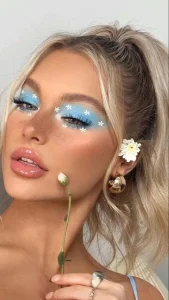
For work or formal events, choose neutral eyeshadows and soft matte finishes that exude professionalism. For casual outings, experiment with playful shades or soft shimmer to show off your personality.
Step 4: Embrace the Right Amount of Makeup
Overcoming the Fear of Makeup
Many women avoid makeup because they’re unsure where to start or fear looking overdone. The truth is, makeup doesn’t have to be complicated. Begin with basic essentials—foundation, mascara, blush, and a touch of lipstick.
Once you’re comfortable, you can gradually explore more products such as eyeshadow palettes, highlighters, and eyebrow gels.
Light Makeup, Big Impact
Even minimal makeup can make a significant difference. A bit of tinted moisturizer, concealer under the eyes, and a dab of blush instantly brighten your face and give a polished look. Remember, makeup should make you feel empowered, not overwhelmed.
Seeking Professional Guidance
If you’re unsure about techniques or product choices, consider visiting a makeup artist or beauty consultant for a one-on-one tutorial. Many cosmetic brands now offer virtual consultations, helping you learn what products work best for your face shape and skin type.
Step 5: Creating a Cohesive Look
Harmony in Colors
Your makeup should appear balanced and harmonious. Avoid mixing colors that clash. Darker skin tones often look stunning in rich, bold shades, while lighter skin tones are best complemented by soft, pastel hues.
When in doubt, follow the “less is more” rule—a neutral base with one feature emphasized, such as bold lips or dramatic eyes, always looks refined.
Managing Oily and Dry Skin
Your skin type influences how makeup behaves throughout the day.
- For oily skin, use oil-control primers and matte-finish foundations. Keep blotting papers or pressed powder handy for touch-ups.
- For dry skin, apply a hydrating primer and use cream-based products to maintain a dewy finish.
Finishing Touches
Set your makeup with a setting spray to lock everything in place and add a healthy glow. This not only extends wear time but also ensures that your look remains fresh from morning to night.
Step 6: Hair Color and Skin Tone Harmony
Finding the Perfect Match
Your hair color can dramatically influence how your makeup looks. The secret is maintaining harmony between your hair color and your skin tone.
- If you have dark hair, opt for rich, warm tones like espresso or chestnut.
- If you’re blonde or have lighter hair, stick with soft golden or ash shades to maintain balance.
Adapting with Age
As you age, both your hair and skin change. Your skin tends to become lighter, so consider adjusting your hair color accordingly—slightly lighter shades can make your complexion look more radiant and youthful.
Maintenance and Care
If you color your hair, always keep up with maintenance. Visible roots can distract from even the most flawless makeup. Regular touch-ups and nourishing treatments will keep your color fresh and healthy-looking.
Step 7: Keeping Your Makeup Fresh All Day
Regular Touch-Ups
Even the best-applied makeup can fade over time. Keep your essentials—compact powder, lipstick, blotting papers, and a small brush—in your bag for midday touch-ups.
A quick refresh of your lips and powder around the T-zone can instantly restore your glow.
Setting for Longevity
Modern setting sprays with ingredients like aloe, cucumber extract, or hyaluronic acid can help seal your look while keeping your skin comfortable.
For long days, layer products strategically: primer → foundation → powder → setting spray. This creates a lasting base that resists heat, sweat, and humidity.
Confidence Is the Final Step
No matter how skillfully applied your makeup is, your smile and confidence are what truly make you beautiful. Makeup is a tool to express yourself—so wear it with pride, not pressure.
Conclusion
Makeup is not just about following trends—it’s about self-expression, balance, and confidence. By understanding the principles of subtle enhancement, color harmony, and proper technique, you can create a look that complements your individuality.
From the right foundation shade to harmonious lip colors and hair tones, every choice contributes to your unique expression of beauty. Remember: less can often be more, and a confident smile will always be your best accessory.
When applied thoughtfully, makeup doesn’t mask who you are—it amplifies your natural radiance and tells the world that you are confident, capable, and unapologetically yourself.
5 Reasons to Learn Music Theory