
 By admin
Introduction
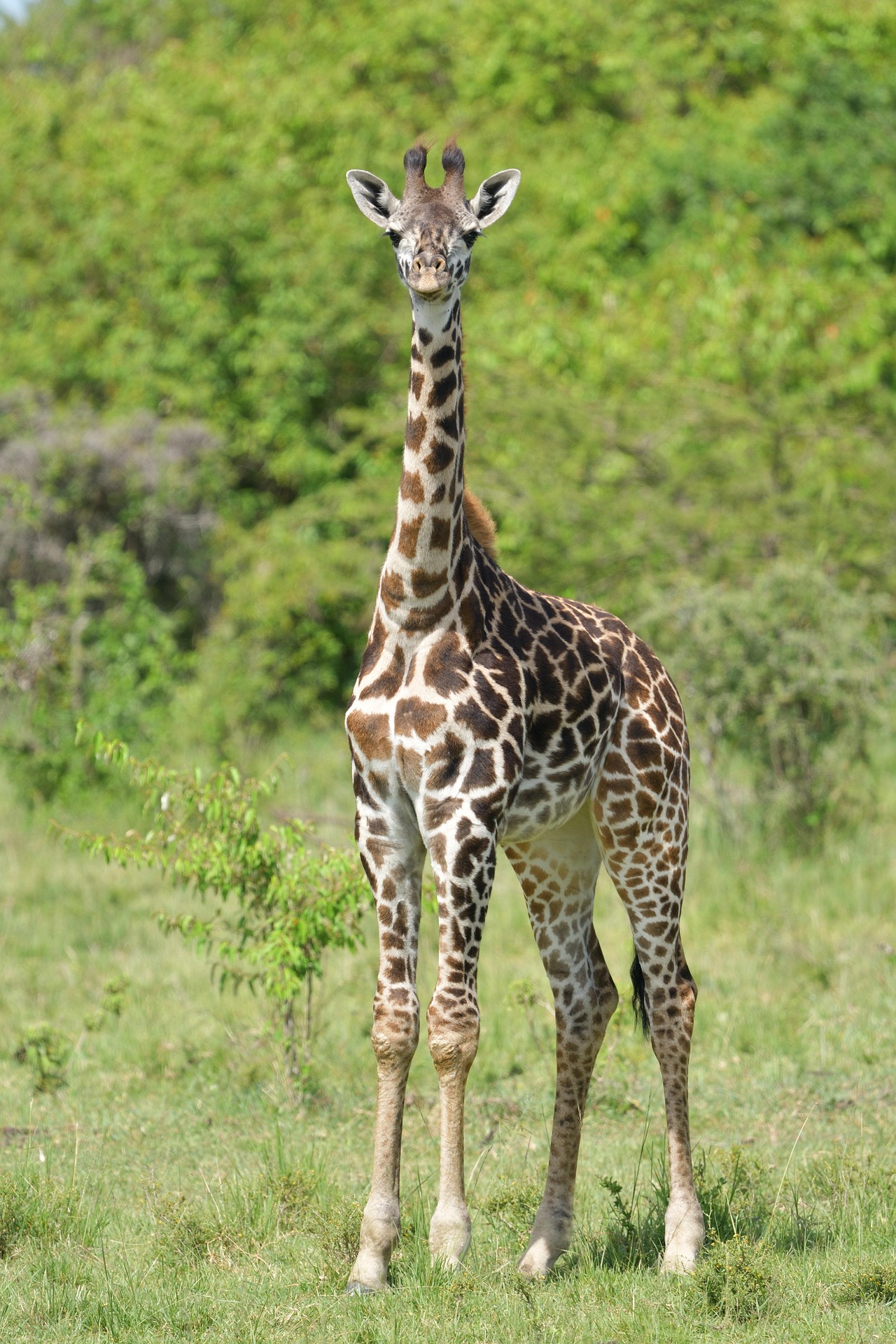
Among the most recognizable and iconic animals in the world, giraffes stand as living testaments to the wonders of evolution. With their extraordinary height, elongated necks, and distinctive spotted coats, giraffes captivate both scientists and wildlife enthusiasts alike. Native to Africa, these gentle giants are more than just a symbol of the savanna; they play a crucial ecological role, serve as a source of cultural fascination, and face increasing threats in the modern age.
This article explores the giraffe’s unique biology, habitat, behavior, cultural significance, and the ongoing conservation challenges they face. With a growing global interest in wildlife preservation, understanding giraffes is not only a matter of scientific curiosity but also a vital step toward ensuring their survival.
The Biology of the Giraffe
Anatomy and Physical Characteristics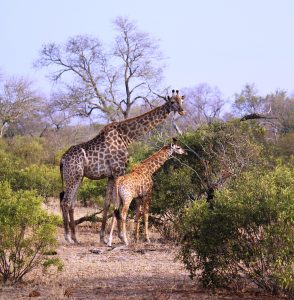
The giraffe (Giraffa camelopardalis) is the tallest land animal on Earth. Adult males can reach up to 5.5–6 meters (18–20 feet) in height, while females are slightly shorter. Their necks alone can measure up to 2.4 meters (8 feet), yet they contain the same number of cervical vertebrae as humans—seven. This adaptation is a remarkable evolutionary modification that allows them to reach high foliage.
- Height and weight: Males weigh between 1,200 and 1,900 kilograms (2,600–4,200 pounds), while females range between 800 and 1,300 kilograms.
- Coat patterns: Each giraffe has a unique coat pattern, much like a human fingerprint, which aids in camouflage and temperature regulation.
- Ossicones: Both males and females have horn-like structures called ossicones, covered with skin and hair. These play a role in thermoregulation and, in males, are used during necking battles.
The Remarkable Neck
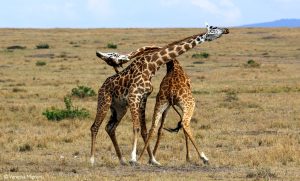
Contrary to popular belief, giraffes did not evolve long necks solely to reach tree canopies. Research suggests that sexual selection also played a role. Male giraffes engage in “necking” battles, swinging their necks like sledgehammers to strike opponents. The winners gain dominance and mating opportunities.
Circulatory Adaptations
Standing tall brings unique physiological challenges. Giraffes have evolved specialized circulatory systems to manage blood flow:
- Powerful hearts weighing up to 11 kilograms pump blood at double the pressure of most large mammals.
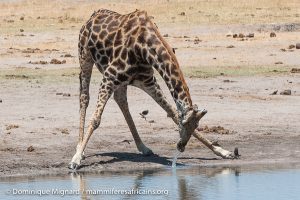
- Valves in neck veins prevent blood from rushing to the brain when lowering the head to drink.
- Elastic blood vessels help regulate pressure, preventing fainting or brain damage.
Habitat and Distribution
Native Range
Hwange National Park
Giraffes are exclusively native to Africa, thriving in savannas, grasslands, and open woodlands. Historically widespread across the continent, their range has now contracted significantly due to habitat loss and human activity.
Regional Subspecies
Modern genetic studies suggest there are four distinct giraffe species rather than a single species with subspecies. These include:
- Northern giraffe (Giraffa camelopardalis) – Found in Chad, Sudan, and northern Kenya.
- Reticulated giraffe (Giraffa reticulata) – Known for its striking polygonal coat patterns, found in Kenya, Somalia, and Ethiopia.
- Masai giraffe (Giraffa tippelskirchi) – With irregular star-like spots, native to Tanzania and Kenya.
- Southern giraffe (Giraffa giraffa) – Found in South Africa, Botswana, and Namibia.
Each population has adapted to its local environment, yet all are under varying levels of threat.
Diet and Feeding Behavior
Browsers of the Savanna
Giraffes are herbivores that primarily feed on leaves, buds, and flowers. Their long necks allow them to access food sources unreachable by most herbivores, reducing competition.
- Favorite trees: Acacia, mimosa, and wild apricot.
- Feeding range: They can consume up to 34 kilograms (75 pounds) of foliage daily.
- Tongue adaptation: Their 45 cm (18 in) long prehensile tongue is dark-colored to protect against sunburn and is capable of stripping leaves from thorny branches.
Water Consumption
Despite their size, giraffes drink infrequently, often only once every few days. They obtain most of their hydration from moisture-rich leaves, which reduces their vulnerability to predators at watering holes.
Behavior and Social Structure
Herd Dynamics
Giraffes live in loose, open social structures rather than tightly bonded herds. Group composition is fluid, with individuals joining and leaving regularly.
- Female groups: Often consist of mothers and calves.
- Male groups: Typically form bachelor herds or roam solitarily.
- Communication: Giraffes communicate through infrasonic sounds below the range of human hearing, as well as body language and subtle vocalizations.
Reproduction and Lifespan
- Gestation period: Approximately 15 months.
- Calves: Born at a height of around 1.8 meters (6 feet) and can stand within hours of birth.
- Lifespan: In the wild, giraffes live about 20–25 years, while in captivity they may live slightly longer due to medical care and safety from predators.
Ecological Importance
Keystone Species
Giraffes play a vital role in maintaining healthy ecosystems:
- Seed dispersal: By feeding on fruits and moving long distances, they spread seeds across large areas.
- Pruning trees: Their browsing encourages new plant growth and maintains balance in savanna ecosystems.
- Supporting biodiversity: Birds often perch on giraffes, feeding on parasites, while their dung enriches soil for insects and plants.
Cultural and Historical Significance
Ancient Symbolism
Canon 7D mark II, canon 100-400 mm lense.
1/400, f5.6, ISO 100
Giraffes have fascinated humans for millennia. Ancient Egyptians depicted giraffes in artwork, and they were prized gifts in royal courts across Asia and Europe. Their unique appearance earned them names like “camelopardalis,” meaning a mix of camel and leopard.
Modern Popularity
Today, giraffes are beloved symbols of African wildlife. They appear in children’s literature, cartoons, and zoos worldwide, sparking curiosity and affection across cultures.
Conservation Challenges
Population Decline
Once abundant, giraffe populations have dropped by nearly 40% in the last three decades, leading conservationists to call this a “silent extinction.”
- Habitat loss: Expanding agriculture, urbanization, and deforestation reduce giraffe habitats.
- Poaching: Giraffes are hunted for meat, hides, and tails.
- Civil conflict: In some regions, political instability disrupts conservation efforts.
Conservation Efforts
Organizations such as the Giraffe Conservation Foundation (GCF) and the International Union for Conservation of Nature (IUCN) are working to protect giraffes through:
- Habitat protection and creation of wildlife corridors.
- Community-based conservation programs that involve local populations.
- Genetic studies to better manage breeding and species classification.
Human Interaction and Ethical Considerations
Ecotourism
Giraffes are a major draw for African ecotourism, generating revenue that supports both local economies and conservation initiatives. Responsible tourism ensures that giraffes are protected while communities benefit.
Captivity and Zoos
While zoos contribute to education and conservation, ethical debates continue over keeping giraffes in captivity. Advocates stress the importance of maintaining genetic diversity through captive breeding programs, while critics highlight welfare concerns related to limited space and natural behavior restriction.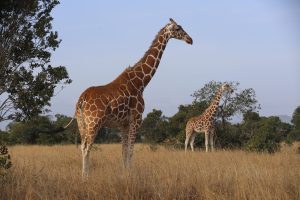
The Future of Giraffes
The fate of giraffes depends on global awareness, local conservation initiatives, and sustainable practices. Protecting giraffes is not only about saving a single species but about preserving ecosystems, cultural heritage, and the natural balance of the African savanna.
Conclusion
Giraffes are far more than tall animals with spotted coats. They are evolutionary marvels, ecological engineers, and cultural icons. Yet their future hangs in the balance due to human activity and environmental change. By promoting conservation, supporting responsible ecotourism, and raising global awareness, we can ensure that giraffes continue to stride gracefully across Africa’s landscapes for generations to come.
Sea Otters: Guardians of the Ocean Ecosystem