
 By admin
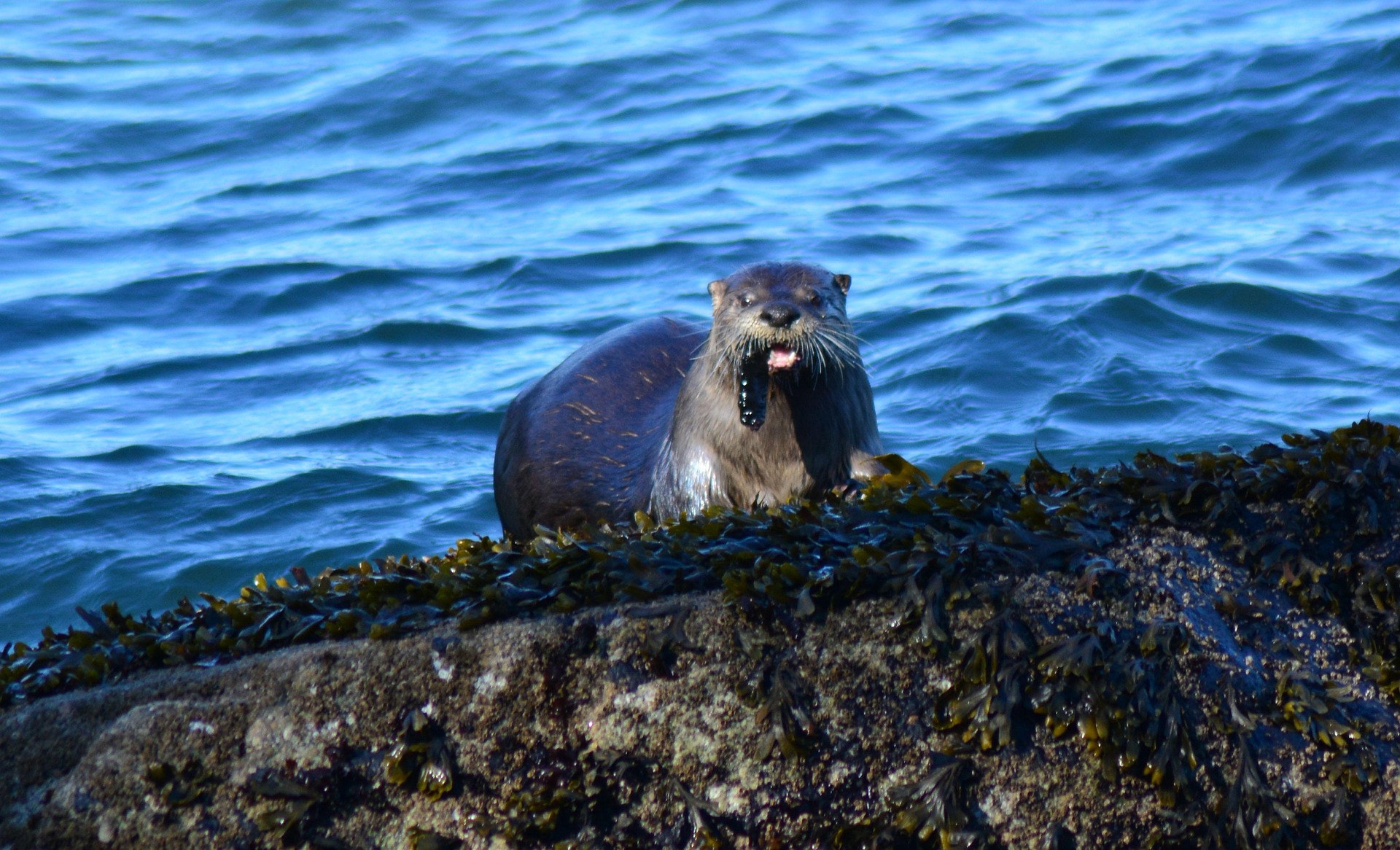
Sea Otters: Guardians of the Ocean Ecosystem
Introduction
The sea otter (Enhydra lutris), often called the “guardian of the kelp forest,” is one of the most fascinating marine mammals in the world. Known for its playful behavior, dense fur, and role in maintaining ecological balance, the sea otter has captured the attention of scientists, conservationists, and nature enthusiasts alike. Once driven to near extinction due to the fur trade, sea otters have made a remarkable recovery in some regions, yet they remain vulnerable to numerous environmental threats.
In this article, we will explore the biology, behavior, ecological significance, and conservation of sea otters. We will also highlight their cultural importance and explain why protecting them is crucial not only for marine biodiversity but also for human well-being.
Biology and Physical Characteristics
Appearance and Fur
Sea otters are relatively small marine mammals, typically measuring between 1.2 and 1.5 meters in length and weighing between 20 and 45 kilograms. Unlike most marine mammals, sea otters lack a thick layer of blubber. Instead, they rely on their incredibly dense fur—considered the thickest in the animal kingdom with up to 1 million hairs per square inch—to stay warm in cold ocean waters. Their fur is waterproof, providing insulation through trapped air, which must be maintained through constant grooming.
Anatomy and Adaptations
- Webbed Feet: Their hind limbs are webbed, acting like flippers for swimming.
- Dexterous Forepaws: Sea otters have nimble front paws capable of handling rocks, shells, and other tools to break open prey.
- Lung Capacity: They can hold their breath for up to 5 minutes while diving for food.
- Teeth: Adapted for crushing shellfish and crustaceans.
These adaptations make sea otters uniquely suited for life in nearshore environments.
Distribution and Habitat
Geographic Range
Historically, sea otters ranged widely across the North Pacific Ocean, from northern Japan to Baja California, Mexico. However, overhunting during the fur trade in the 18th and 19th centuries drastically reduced their populations. Today, their primary habitats include:
- Alaska (USA): Home to the largest population, particularly in the Aleutian Islands.
- California Coast (USA): Smaller populations persist, particularly around Monterey Bay and Big Sur.
- Russia’s Kamchatka Peninsula and Kuril Islands.
- British Columbia (Canada).
Preferred Habitat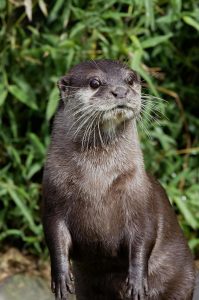
Sea otters thrive in coastal environments with kelp forests, rocky shores, and abundant prey. Kelp forests not only provide food but also shelter from predators and stormy seas.
Behavior and Lifestyle
Social Structure
Sea otters are highly social animals. They often float in groups called “rafts,” which can range from a few individuals to over 100. Rafts are usually separated by sex, with males forming bachelor groups while females gather with pups.
Feeding Habits
Sea otters are keystone predators that consume a wide variety of marine invertebrates. Their diet includes:
- Sea urchins
- Clams
- Mussels
- Crabs
- Snails
- Octopus and small fish
They are also one of the few non-human animals known to use tools, such as rocks, to crack open hard shells. This unique feeding strategy not only demonstrates intelligence but also helps maintain the balance of their ecosystems.
Grooming and Thermoregulation
Because they lack blubber, grooming is essential. Otters spend hours each day cleaning and fluffing their fur to ensure insulation. They also blow air into their coats to maintain buoyancy and warmth.
Reproduction and Life Cycle
Mating and Birth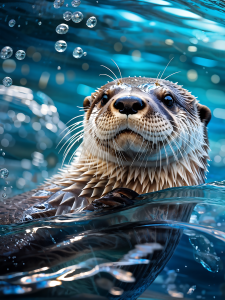
Sea otters do not have a fixed breeding season, although most births occur in spring. After a gestation period of 6–8 months, a single pup is born. Twins are rare, and usually only one pup survives.
Pups and Maternal Care
Mothers are highly attentive, carrying pups on their chests while floating on the water’s surface. They groom, nurse, and even wrap pups in kelp to prevent them from drifting away. Pups depend on their mothers for 6–8 months until they learn to dive and hunt independently.
Ecological Importance
Sea Otters as Keystone Species
Sea otters play a critical role in maintaining the health of kelp forests. By preying on sea urchins, they prevent these herbivores from overgrazing kelp. Without otters, unchecked sea urchin populations can devastate kelp ecosystems, leading to “urchin barrens.”
Impact on Biodiversity
Kelp forests protected by sea otters provide shelter and food for countless marine species, including fish, crabs, and seabirds. Healthy kelp forests also absorb carbon dioxide, helping mitigate climate change.
Threats and Conservation
Historical Overhunting
During the fur trade (1741–1911), sea otters were hunted relentlessly for their pelts. Populations plummeted from hundreds of thousands to just a few thousand individuals worldwide.
Modern Threats
- Oil Spills: Oil destroys the insulating properties of their fur, leading to hypothermia.
- Pollution: Heavy metals, plastics, and toxins affect their food supply.
- Fishing Gear: Entanglement in nets and traps can lead to drowning.
- Predation: In some regions, killer whales have increased predation on otters.
- Climate Change: Warming oceans affect kelp forests and prey availability.
Conservation Efforts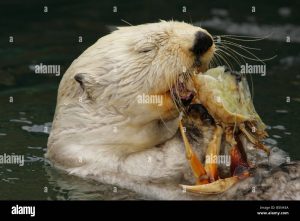
Conservation programs have been moderately successful. International protections, marine reserves, and rehabilitation centers have helped restore populations. Organizations such as the Monterey Bay Aquarium in California play a vital role in rescuing and rehabilitating stranded otters.
Current Status
- IUCN Red List: Sea otters are classified as Endangered.
- Population Trend: While some populations are stable, others remain at risk due to environmental and human pressures.
Cultural and Human Connections
Indigenous Traditions
For many Indigenous peoples of the North Pacific, sea otters hold cultural and spiritual significance. Their pelts were once symbols of wealth and status, and their presence is often tied to traditional stories and ecological knowledge.
Ecotourism and Education
Today, sea otters contribute to local economies through wildlife tourism. Visitors flock to coastal areas like Monterey Bay to watch otters play, dive, and float, bringing awareness to marine conservation.
The Future of Sea Otters
The survival of sea otters is deeply intertwined with ocean health. Protecting them means safeguarding kelp forests, fisheries, and coastal ecosystems. As climate change accelerates, their role as ecosystem engineers becomes even more critical. Continued conservation measures, stricter pollution control, and community-based marine stewardship are essential for ensuring that future generations can admire these remarkable animals.
Conclusion
Sea otters are far more than adorable marine mammals floating on their backs. They are ecological guardians, cultural icons, and living reminders of the fragility and resilience of ocean ecosystems. By understanding their biology, protecting their habitats, and addressing modern threats, humanity can ensure that sea otters continue to thrive in the wild. Their story is a powerful testament to how conservation can restore balance to nature—and why the fight to protect them is worth every effort.
How Do Ants Walk on Walls Without Falling?