
 By admin
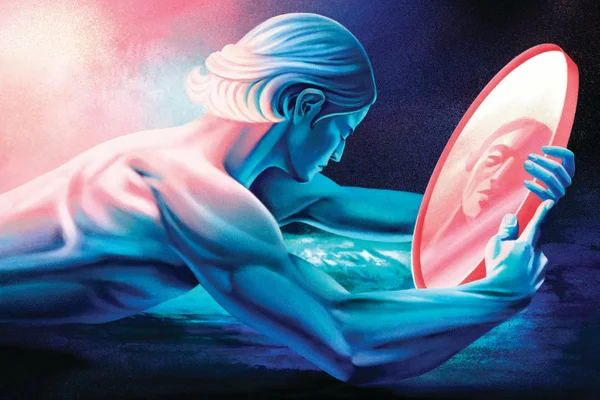
Introduction: The Allure of Fame in the Modern Age
In today’s hyper-connected world, fame has evolved from a rare privilege to a tantalizing goal accessible to anyone with a smartphone and social media account. The desire to be seen, recognized, and celebrated has become a defining feature of modern society. Yet, behind this craving for visibility lies a deeper psychological phenomenon—narcissism.
For narcissists, fame is not merely a pursuit; it is an addiction that feeds their fragile self-esteem and validates their sense of existence. They thrive on admiration, attention, and recognition, which serve as a constant source of emotional fuel known as narcissistic supply. This article explores the relationship between fame and narcissism—why certain individuals become addicted to attention, how society both glorifies and punishes them, and what psychological mechanisms drive this obsessive pursuit of celebrity status.
1. Narcissism and the Drive to Be Famous
1.1 Understanding the Narcissistic Mind
Narcissism, derived from the Greek myth of Narcissus who fell in love with his own reflection, represents a personality pattern characterized by grandiosity, need for admiration, and lack of empathy. Modern psychology classifies pathological narcissism as a personality disorder that profoundly affects one’s relationship with self and others.
For the narcissist, fame functions as an external mirror reflecting their idealized image back to them. When people recognize, praise, or even criticize them, they feel validated. Without this constant reflection, their fragile self-concept begins to crumble, leading to feelings of emptiness, humiliation, and rage.
1.2 Fame as a Narcissistic Supply
Being famous grants the narcissist a steady stream of attention, adoration, and approval—the three essential nutrients of narcissistic supply. Fame not only provides a sense of power but also helps the narcissist delineate their identity: “I am seen, therefore I exist.”
When public attention wanes, narcissists experience what psychologists call narcissistic injury, a psychological wound that triggers deep emotional pain. To heal, they go to extreme lengths—provoking controversy, engaging in scandals, or reinventing themselves—to reclaim the spotlight.
1.3 The “No Bad Publicity” Mindset
For narcissists, attention is valuable regardless of its nature. They subscribe to the philosophy that “all publicity is good publicity.” Whether they are loved or hated, admired or feared, the crucial point is to be noticed. Negative press or scandals are often reinterpreted as proof of relevance. In this way, the narcissist transforms infamy into affirmation.
2. The Endless Pursuit: How Narcissists Chase Recognition
2.1 Attention as a Drug
The need for attention operates much like an addiction. Just as an addict craves a substance to maintain equilibrium, narcissists crave visibility to preserve their sense of worth. Periods of obscurity or neglect can trigger symptoms akin to withdrawal—anger, depression, and self-destructive behavior.
They continuously plot and manipulate to regain exposure, crafting new personas or engaging in shocking acts to stay in the public eye. The obsession with remaining relevant drives their decisions, shaping careers and relationships alike.
2.2 The False Self: Constructing an Illusion
Narcissists often project an artificial persona known as the False Self—a grandiose and idealized version of who they wish to be. This image is everything they are not: confident, powerful, intelligent, and admired. The reactions this persona elicits become the fuel that sustains their fragile ego.
The narcissist’s identity is thus built on illusion. Every smile, compliment, or article written about them reinforces this façade, while every criticism threatens to shatter it. This precarious existence leads to a cycle of constant performance and emotional instability.
2.3 Switching Roles and Fields
Because fame itself is the goal—not the field through which it is achieved—narcissists often shift careers or interests rapidly. They might move from acting to business, from writing to politics, always seeking new arenas for visibility. Their loyalty lies not with their craft but with the attention it generates.
For them, life is a stage, and every interaction, profession, or relationship becomes a potential audience.
3. Society’s Role: The Spectacle of Celebrity and Humiliation
3.1 Why We Love to Watch the Famous Fall
Modern audiences are not passive observers of fame—they are active participants. The same public that elevates celebrities also takes pleasure in their downfall. This paradox reflects deep psychological mechanisms rooted in envy, projection, and moral superiority.
Fans often project their hopes and fantasies onto celebrities. When these idols falter—through scandal, failure, or moral error—fans experience betrayal. To restore their own self-esteem, they seek to humiliate or “punish” the fallen star, asserting their moral dominance.
3.2 Schadenfreude: The Joy of Watching Others Fall
The German term Schadenfreude—pleasure derived from others’ misfortunes—captures society’s fascination with celebrity scandals. Watching famous individuals suffer provides psychological relief. It reassures ordinary people that success and beauty do not exempt one from pain or failure.
The higher the celebrity climbs, the greater the satisfaction when they fall. This dynamic mirrors ancient morality tales, reminding us that hubris leads to downfall and reinforcing the idea that justice prevails.
3.3 The Media as a Modern Colosseum
In the digital age, media platforms have become the new gladiator arenas. Talk shows, tabloids, and social media channels thrive on public shaming and controversy. Reporters who humiliate celebrities on air often reflect the collective aggression of their audience.
This phenomenon is not purely sadistic—it fulfills a cultural function. Public humiliation restores a sense of balance by reminding society that even the powerful are vulnerable. Yet it also perpetuates the cycle of narcissism: every scandal feeds the celebrity’s craving for relevance, even through disgrace.
4. The Fan–Celebrity Contract: Mutual Exploitation
4.1 A Psychological Exchange
The relationship between celebrities and their fans is not accidental—it is transactional. Celebrities perform the roles their fans expect of them, projecting perfection, beauty, and success. In return, fans offer adulation and loyalty.
This unwritten contract gratifies both sides: the celebrity feels omnipotent and adored, while the fan experiences vicarious fulfillment through identification with the idol’s glamorous life.
4.2 Fans as Co-Creators of Celebrity Identity
Fans contribute actively to the construction of celebrity personas. Through likes, comments, and online discussions, they amplify fame and sustain visibility. The modern celebrity exists within a feedback loop, where fan engagement directly determines their relevance.
However, this relationship can quickly sour. When celebrities deviate from fan expectations—expressing controversial opinions or showing human flaws—the audience often retaliates with outrage and rejection. This cyclical admiration and condemnation reflect a deep societal ambivalence toward success and individuality.
5. The Making of a Narcissistic Celebrity
5.1 Nature vs. Nurture: The Roots of Narcissism
The origins of narcissism remain debated. Some researchers argue it is genetically predisposed, while others point to traumatic childhood experiences. Many narcissists report growing up in environments where they were objectified—valued only for performance, appearance, or obedience.
Both neglect and excessive pampering can lead to narcissistic traits. Overindulgent parents may create an unrealistic sense of entitlement, while abusive ones instill insecurity and a desperate need for validation. Either way, the child learns to construct a false identity to gain approval.
5.2 From Insecurity to Superiority
Paradoxically, behind the narcissist’s arrogance lies profound insecurity. Their inflated self-image masks feelings of unworthiness and shame. Fame offers a convenient escape: it replaces inner emptiness with external recognition.
However, the relief is temporary. Like an addict chasing their next fix, the narcissist constantly seeks new sources of attention to stave off the pain of self-doubt.
5.3 Why Not All Celebrities Are Narcissists
While many celebrities exhibit narcissistic traits, not all suffer from narcissistic personality disorder. Some pursue fame as a means of artistic expression or achievement. The difference lies in motivation and stability: a healthy individual can detach from fame without losing their sense of self, while a narcissist cannot survive without it.
Fame for the narcissist is not a byproduct of talent—it is the essence of existence.
6. The Narcissistic Cycle: Rise, Fall, and Reinvention
6.1 The Rise: The Birth of a Persona
Every narcissistic celebrity begins with the creation of a persona—a carefully curated image designed to attract attention. At this stage, admiration flows freely, and the narcissist feels invincible.
However, as the novelty fades, they grow restless and anxious. Without a constant influx of validation, their inner void resurfaces, pushing them toward riskier behaviors or sensational acts.
6.2 The Fall: The Pain of Obscurity
When fame diminishes, the narcissist experiences psychological collapse. Feelings of rejection and humiliation intensify, leading to emotional outbursts, substance abuse, or self-destructive actions. The absence of attention feels like annihilation.
In response, they often manufacture new scandals, controversies, or “comebacks” to regain visibility. Thus, the cycle of fame addiction continues.
6.3 Reinvention: The Illusion of Change
To survive in a fast-moving media world, many narcissistic celebrities reinvent themselves—altering appearance, ideology, or profession. This illusion of change allows them to remain relevant while preserving the same underlying addiction to attention.
Each reinvention is a temporary fix rather than a true transformation.
Conclusion: The Mirror of Fame
Fame and narcissism are intertwined in a complex dance of projection and reflection. Narcissists pursue fame not for wealth or admiration alone, but because it validates their existence. The public, in turn, participates in this cycle—elevating and tearing down celebrities to satisfy its own emotional needs.
In an age dominated by social media, where everyone can be a “micro-celebrity,” society must confront its collective fascination with visibility. The addiction to fame, both personal and cultural, reveals a deeper truth: that many of us seek in others the validation we fail to find within ourselves.
To escape the trap, individuals—famous or not—must rediscover self-worth independent of external recognition. Only then can we break free from the endless cycle of admiration, envy, and destruction that defines the modern cult of celebrity.