
 By admin
Norway: A Comprehensive Overview
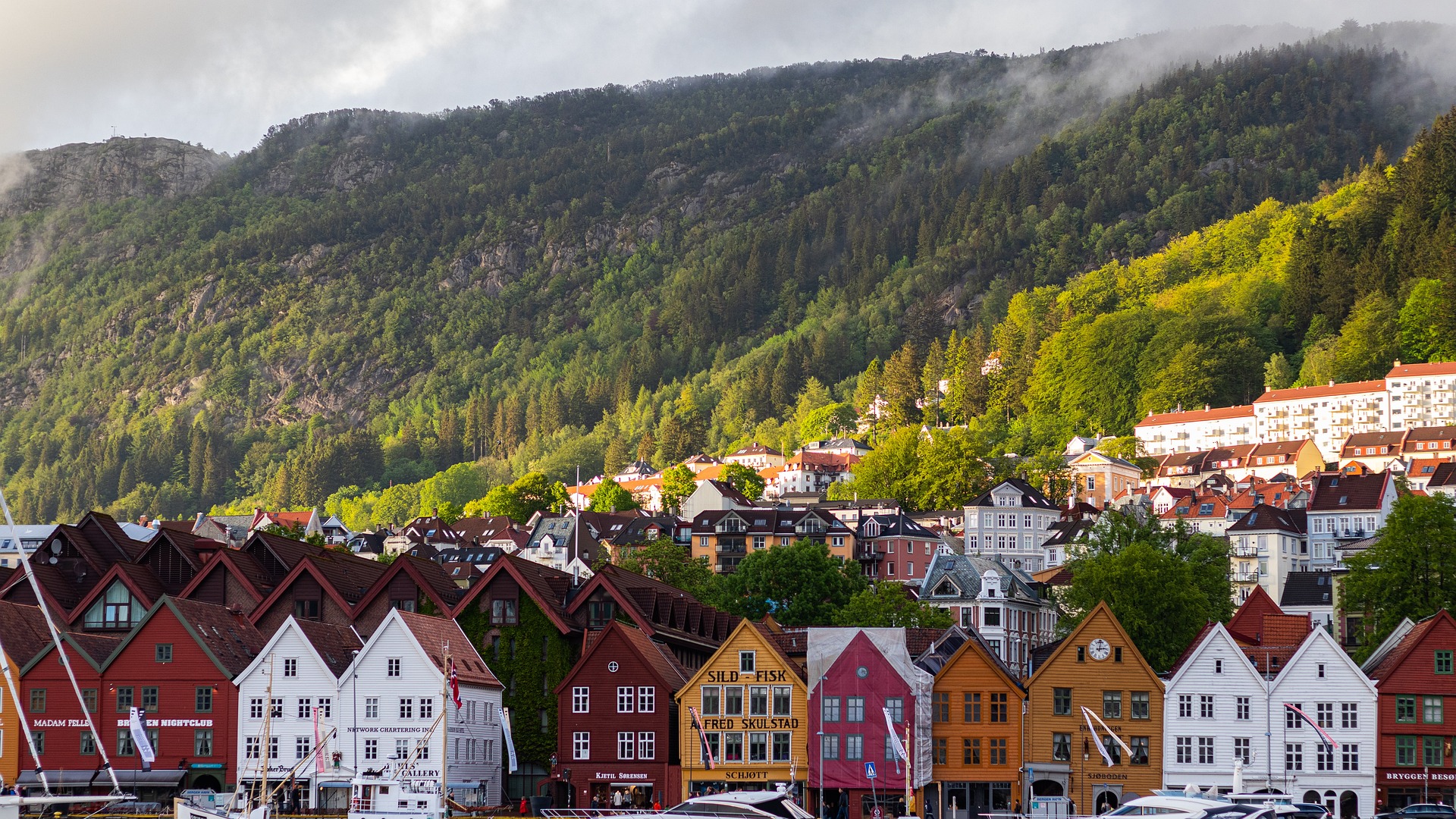
Norway, officially known as the Kingdom of Norway, is a Scandinavian nation celebrated for its breathtaking natural beauty, robust economy, and high standard of living. Situated in Northern Europe, this country is a land of fjords, mountains, and midnight sun. Its remarkable history, cultural richness, and progressive policies make it a fascinating country to explore. This article delves into the various aspects of Norway, including its geography, history, economy, society, and cultural heritage, to provide an all-encompassing understanding of the nation. !!!.
Geography
Norway is located on the western portion of the Scandinavian Peninsula, sharing borders with Sweden, Finland, and Russia. It boasts a lengthy coastline along the North Atlantic Ocean and the Barents Sea. The country is renowned for its dramatic fjords, formed during the Ice Age, which cut deep into the land and are often surrounded by steep cliffs and lush greenery. Famous examples include Geirangerfjord and Nærøyfjord, both UNESCO World Heritage Sites.
Covering an area of approximately 385,207 square kilometers, Norway has a varied topography. From the rugged mountains of Jotunheimen to the flat plains of Østlandet, and from the Arctic tundra of Finnmark to the verdant valleys of Vestlandet, the country’s landscapes are incredibly diverse. The northern region, which lies within the Arctic Circle, experiences phenomena such as the midnight sun and polar night, drawing thousands of tourists annually.
History
The history of Norway dates back to the Viking Age (793–1060 AD), a period when Norse explorers, traders, and warriors dominated parts of Europe and beyond. Norway’s unification under King Harald Fairhair in the 9th century marked the beginning of its history as a single kingdom.
Norway entered a union with Denmark in 1380, which lasted for centuries until 1814, when Norway declared independence and adopted its constitution. However, the country entered into another union with Sweden later that year, which lasted until 1905. This marked the beginning of modern Norway as an independent constitutional monarchy. During World War II, Norway was occupied by Nazi Germany, but it regained sovereignty in 1945 and subsequently became a founding member of the United Nations in 1945 and NATO in 1949.
Economy
Norway is one of the wealthiest countries in the world, thanks to its abundant natural resources and well-managed economy. The nation has significant reserves of oil and natural gas, discovered in the North Sea during the 1960s. This has transformed Norway into a leading energy exporter. The government manages its oil wealth through the Government Pension Fund Global, often referred to as the “Oil Fund,” which is one of the largest sovereign wealth funds globally.
Apart from petroleum, Norway’s economy is diversified, including sectors such as maritime industries, fishing, aquaculture, renewable energy, and technology. Hydropower accounts for nearly 98% of Norway’s electricity production, showcasing the country’s commitment to sustainability.
Norway is also part of the European Economic Area (EEA), which allows it to participate in the European Single Market without being a member of the European Union (EU). This unique arrangement enables Norway to maintain its economic independence while benefiting from trade with EU countries.
Society and Quality of Life
Norway consistently ranks high in global indices for quality of life, happiness, and human development. The nation boasts a comprehensive welfare state that provides free education, universal healthcare, and generous social benefits. These factors, combined with low levels of corruption and high levels of equality, contribute to the country’s excellent living standards.
The population of Norway is approximately 5.4 million people. The majority reside in urban areas, with Oslo, Bergen, Stavanger, and Trondheim being the largest cities. Despite its small population, Norway is known for its multicultural society, welcoming immigrants and fostering inclusivity.
Education is highly valued in Norwegian society, and the country offers free higher education to both domestic and international students. This policy has attracted scholars and researchers worldwide, contributing to Norway’s reputation as a hub for innovation and knowledge.
Culture and Heritage
Norwegian culture is deeply influenced by its Viking heritage, folklore, and natural surroundings. The nation is famous for its traditional wooden stave churches, such as the Urnes Stave Church, a UNESCO World Heritage Site. Additionally, Norway is known for its distinctive art and literature, with figures like Edvard Munch, whose painting “The Scream” is iconic, and Henrik Ibsen, often called the “father of modern drama.”
Music also plays a significant role in Norwegian culture, from classical composers like Edvard Grieg to contemporary black metal bands that have gained international acclaim. The Sami people, indigenous to northern Norway, contribute to the cultural mosaic with their unique traditions, language, and joik (a traditional form of song).
Tourism
Tourism is a significant part of Norway’s economy, driven by its stunning natural landscapes and cultural attractions. Visitors flock to see the Northern Lights in Tromsø, hike to Preikestolen (Pulpit Rock) or Trolltunga, and cruise through the fjords. Winter sports, such as skiing and snowboarding, are immensely popular, with Norway often considered the birthplace of modern skiing.
The nation’s commitment to sustainability extends to its tourism industry, promoting eco-friendly practices and encouraging travelers to experience its beauty responsibly. The “Norwegian Scenic Routes,” a network of 18 road trips through picturesque landscapes, exemplifies this approach.
Progressive Policies and Global Contributions
Norway is a global leader in environmental conservation, aiming to become carbon-neutral by 2030. The country has invested heavily in renewable energy, electric vehicle adoption, and sustainable practices. As of recent years, over half of new car sales in Norway are electric, showcasing its commitment to reducing carbon emissions.
In addition to environmental efforts, Norway is known for its humanitarian contributions. It consistently ranks as one of the world’s most generous aid donors, supporting global initiatives for education, health, and poverty alleviation. The Nobel Peace Prize, awarded annually in Oslo, underscores Norway’s dedication to fostering peace and resolving conflicts worldwide.
Challenges
While Norway is often seen as a model nation, it faces challenges such as addressing climate change, maintaining economic stability in a post-oil era, and ensuring social integration for immigrants. The government is actively working on diversifying the economy and investing in sectors like green technology and innovation to reduce dependency on fossil fuels.
Conclusion
Norway stands as a beacon of prosperity, natural beauty, and progressive values. Its unique blend of rich history, vibrant culture, and forward-thinking policies make it a nation worth admiring. From its majestic fjords to its bustling urban centers, and from its Viking roots to its modern innovations, Norway offers a fascinating journey through time and landscapes. Whether you are drawn by its serene nature, cultural depth, or commitment to sustainability, Norway undoubtedly holds a special place on the global stage.
Lithuania: A Comprehensive Guide