By admin
Rwanda, a small landlocked country in East-Central Africa, is often referred to as the “Land of a Thousand Hills” due to its stunning mountainous landscape. Despite its tumultuous past, Rwanda has emerged as a beacon of resilience and innovation in Africa. This article explores Rwanda’s geography, history, economy, culture, and its remarkable journey of transformation.
Geography and Biodiversity
Rwanda’s compact size, covering just 26,338 square kilometers, belies its diverse geography. The country shares borders with Uganda to the north, Tanzania to the east, Burundi to the south, and the Democratic Republic of Congo to the west. The central and western regions are dominated by rolling hills, while the eastern part features savannah plains and wetlands.
One of Rwanda’s most striking geographical features is the Virunga Mountain range, home to volcanoes and lush forests. These mountains are a critical habitat for endangered mountain gorillas, making Rwanda a global hotspot for eco-tourism. The Akagera National Park, Nyungwe Forest, and Lake Kivu add to the country’s rich biodiversity, hosting an array of wildlife and plant species.
A Brief Historical Perspective
Rwanda’s history is deeply rooted in its monarchy, which dates back centuries. The pre-colonial period was marked by a well-organized kingdom led by the Tutsi kings, with a socio-political system that also included the Hutu and Twa communities. However, the colonial era, dominated first by Germany and later by Belgium, sowed seeds of division among these groups.
The culmination of ethnic tensions led to the tragic 1994 genocide against the Tutsi, during which over 800,000 people were killed in just 100 days. This devastating event left an indelible mark on the nation. However, post-genocide Rwanda, under the leadership of President Paul Kagame, has achieved remarkable progress in rebuilding and uniting the country.
Governance and Political Stability
Today, Rwanda is often lauded for its strong governance and political stability. The government’s emphasis on accountability, transparency, and inclusivity has helped foster a sense of national unity. Decentralized governance has empowered local communities, ensuring that development efforts reach even the most remote areas.
Rwanda’s Vision 2050 outlines ambitious goals to transform the nation into an upper-middle-income country. Key pillars include good governance, economic transformation, and social development, supported by investments in infrastructure, technology, and education.
Economic Transformation
Rwanda’s economy has undergone a dramatic transformation since the 1990s. The nation boasts one of the fastest-growing economies in Africa, with an average annual GDP growth rate exceeding 7% over the past two decades. Key sectors driving this growth include agriculture, tourism, ICT, and manufacturing.
Agriculture
Agriculture remains the backbone of Rwanda’s economy, employing nearly 70% of the population. The government’s initiatives to modernize agriculture through irrigation, improved seeds, and farmer cooperatives have significantly boosted productivity. Major exports include coffee, tea, and horticultural products.
Tourism
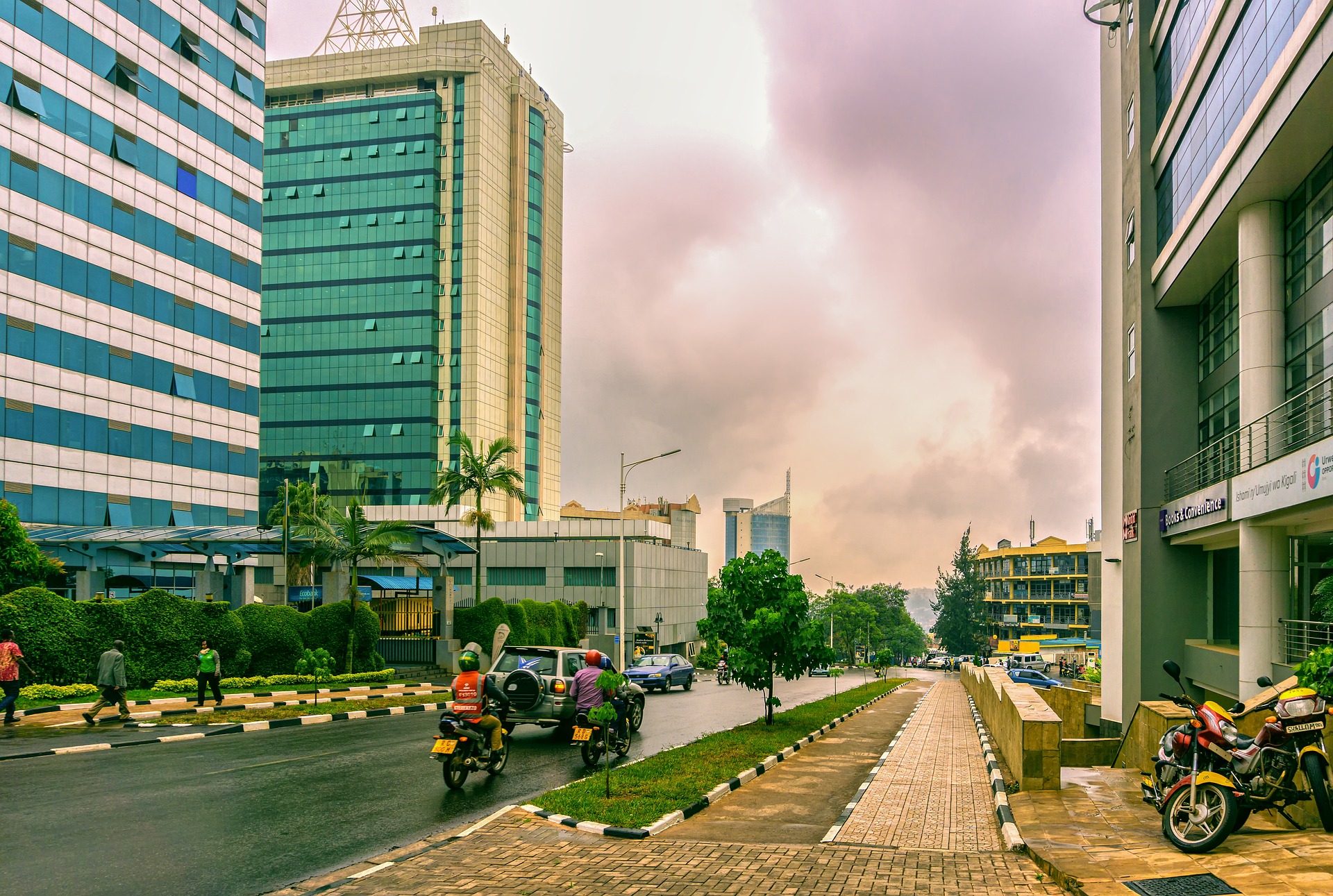
Tourism is a cornerstone of Rwanda’s economy. The country’s conservation efforts, particularly in protecting mountain gorillas, have attracted eco-conscious travelers from around the globe. High-end lodges and well-organized tours contribute to a thriving tourism industry. Rwanda’s capital, Kigali, is also gaining recognition as a conference and business tourism hub.
ICT and Innovation
Dubbed as Africa’s Silicon Valley, Rwanda has positioned itself as a leader in ICT and innovation. Initiatives like the Kigali Innovation City and a robust digital infrastructure have attracted tech companies and startups. The government’s commitment to a cashless economy and e-governance underscores its forward-thinking approach.
Social Development and Education
Rwanda’s strides in social development are equally commendable. The country has achieved significant improvements in healthcare, education, and gender equality.
Healthcare
Rwanda’s community-based health insurance program, Mutuelle de Santé, has ensured access to affordable healthcare for over 90% of the population. The country’s focus on maternal and child health has led to a dramatic reduction in infant and maternal mortality rates.
Education
Education is a cornerstone of Rwanda’s development strategy. The government’s commitment to free and compulsory primary education has resulted in high enrollment rates. Investments in technical and vocational education aim to equip the youth with skills needed for the job market. Rwanda’s focus on gender parity in education has also yielded impressive results.
Gender Equality
Rwanda is a global leader in gender equality. Women hold over 60% of parliamentary seats, the highest proportion in the world. This achievement reflects the government’s efforts to empower women and ensure their active participation in all spheres of life.
Culture and Heritage
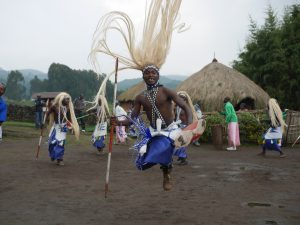
Rwandan culture is a vibrant tapestry of traditions, music, dance, and art. The Intore dance, characterized by its energetic movements and traditional drumming, is a symbol of national pride. Crafts such as basket weaving and pottery showcase the country’s rich artistic heritage.
Language and cuisine also play a significant role in Rwanda’s cultural identity. While Kinyarwanda is the national language, English and French are widely spoken. Rwandan cuisine features staples like ugali, plantains, and beans, with brochettes and isombe being popular dishes.
Challenges and the Road Ahead
Despite its impressive achievements, Rwanda faces challenges such as limited natural resources, population pressure, and regional instability. Climate change poses risks to agriculture and water resources, necessitating sustainable practices and policies.
The government’s focus on green growth, renewable energy, and environmental conservation demonstrates its commitment to addressing these challenges. Initiatives like the Green Rwanda program and the use of drones for agricultural mapping reflect innovative solutions.
Conclusion
Rwanda’s transformation from a nation marred by conflict to a model of resilience and progress is nothing short of extraordinary. With its stunning landscapes, rich culture, and a forward-looking approach to development, Rwanda offers lessons in perseverance and innovation. As the Land of a Thousand Hills continues its journey, it stands as a testament to what determined leadership and collective effort can achieve.