
 By admin
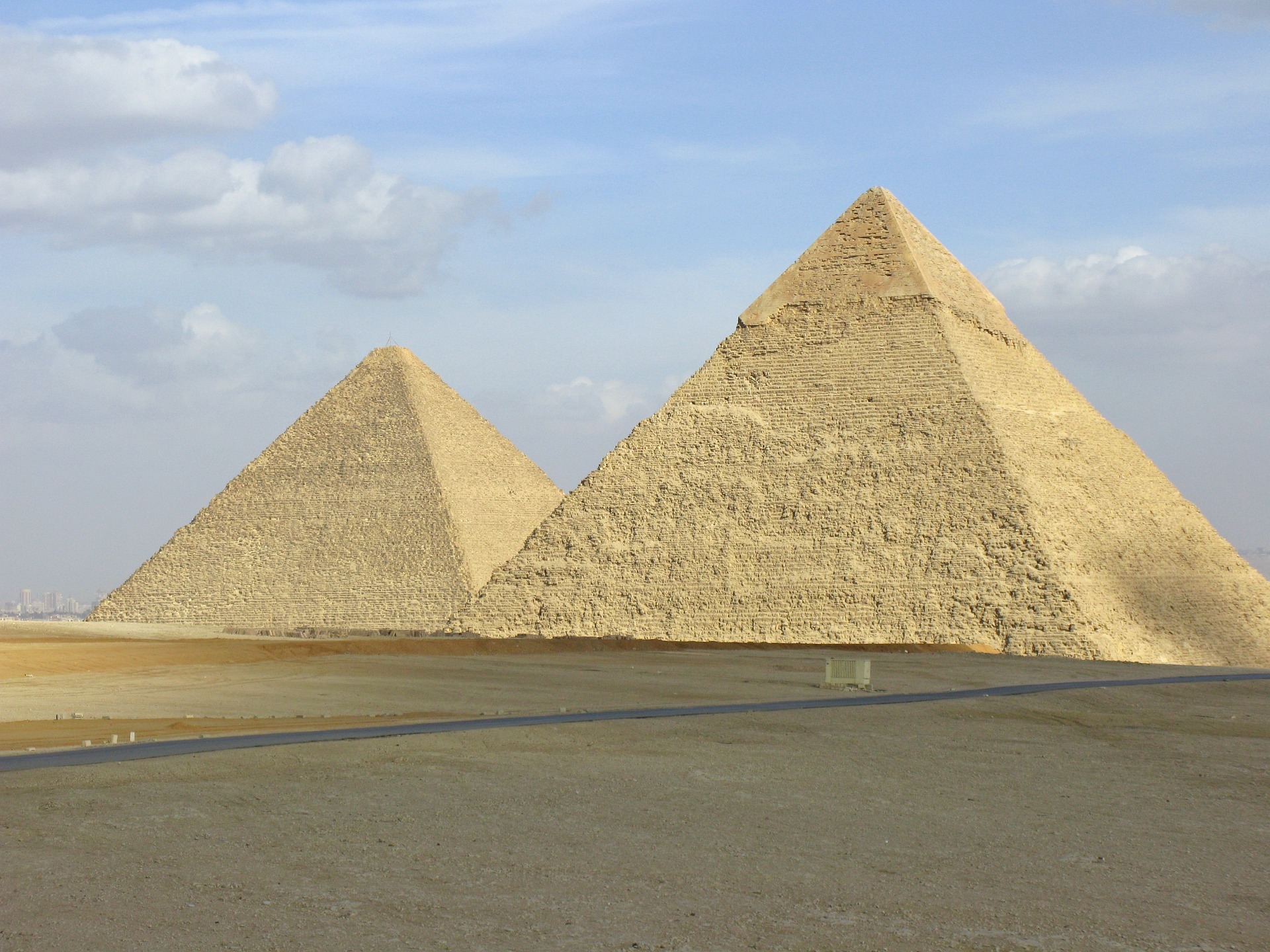
The Egyptian Pyramids: Timeless Monuments of Ancient Civilization
The Egyptian pyramids stand as one of the most awe-inspiring architectural achievements in human history. These ancient structures, with their massive scale and precise engineering, continue to captivate the imagination of millions around the world. Built thousands of years ago during the height of the ancient Egyptian civilization, the pyramids serve as both a testament to human ingenuity and a window into the cultural, religious, and social practices of a remarkable era. In this article, we explore the history, construction techniques, cultural significance, and enduring legacy of the Egyptian pyramids.
Historical Background
The construction of the pyramids began during the Old Kingdom period of ancient Egypt (c. 2686–2181 BCE). This era, often referred to as the “Age of the Pyramids,” witnessed the emergence of monumental architecture designed to honor the pharaohs, who were considered divine rulers. The most famous pyramids were built in the Giza Plateau near modern-day Cairo, but pyramids can be found in various other locations across Egypt.

The earliest known pyramid, the Step Pyramid of Djoser, was constructed around 2650 BCE during the Third Dynasty. Designed by the architect Imhotep, this structure marked a significant departure from traditional flat-roofed mastaba tombs. It featured six stepped layers, symbolizing the pharaoh’s ascension to the heavens.
The Fourth Dynasty (c. 2613–2494 BCE) saw the construction of the Great Pyramids of Giza. These include the Pyramid of Khufu (Great Pyramid), the Pyramid of Khafre, and the Pyramid of Menkaure. The Great Pyramid, built for Pharaoh Khufu, is the largest of the three and originally stood at a height of 146.6 meters (481 feet). It was considered one of the Seven Wonders of the Ancient World and remains the only one still largely intact.
Construction Techniques and Challenges
The construction of the pyramids remains a subject of extensive study and debate. Ancient Egyptians lacked modern machinery, relying instead on simple tools, human labor, and innovative engineering techniques. The primary materials used were limestone and granite, quarried locally or transported from distant locations such as Aswan.
- Quarrying and Transporting Stones:
- Large limestone blocks were extracted using copper tools and wedges. For granite, which was harder, workers employed pounding techniques with dolerite stone hammers.
- Transportation involved hauling the blocks on sledges over sand. Water was likely poured on the sand to reduce friction and facilitate movement.
- Alignment and Precision:
- The pyramids were meticulously aligned with celestial bodies. The Great Pyramid’s base is aligned almost perfectly with the cardinal points of the compass.
- Advanced surveying tools, such as plumb bobs, leveling instruments, and sighting rods, were used to ensure precision.
- Labor Force:
- Contrary to popular belief, the pyramids were not built by slaves but by a workforce of skilled laborers, farmers, and seasonal workers. These laborers lived in nearby villages and were organized into well-structured teams.
- Archaeological evidence suggests that they were well-fed and provided with medical care, highlighting the importance of the project to the state.
- Ramps and Construction Methods:
- Scholars propose various ramp systems, including straight ramps, zigzag ramps, and spiral ramps, to transport the stones to higher levels.
- These ramps were likely constructed of mudbrick and lubricated with clay to reduce drag.
Cultural and Religious Significance
The pyramids were more than architectural marvels; they were deeply intertwined with ancient Egyptian religion and cosmology. The pharaohs believed in an eternal afterlife, and the pyramids served as their tombs, ensuring their safe passage to the next world.
- Symbolism of Shape:
- The pyramid’s shape symbolized the rays of the sun, connecting the pharaoh to the solar deity Ra. It was also a representation of the primordial mound, the mythical site of creation in Egyptian mythology.
- Burial Chambers and Goods:
- Inside the pyramids, burial chambers were carefully designed to protect the deceased’s body and possessions. These chambers contained sarcophagi, canopic jars, and various items needed for the afterlife.
- Elaborate carvings and texts, such as the Pyramid Texts, were inscribed on the walls to guide the pharaoh’s soul through the underworld.
- The Role of the Sphinx:
- The Great Sphinx, located near the Pyramid of Khafre, further underscores the religious significance of the Giza complex. This colossal statue with a lion’s body and a human head is thought to represent the pharaoh’s strength and wisdom.
Architectural Evolution
The design of pyramids evolved over centuries. Early examples, like the Step Pyramid of Djoser, featured tiered layers. Subsequent pyramids, such as the Bent Pyramid and the Red Pyramid of Sneferu, marked the transition to smooth-sided structures. The culmination of this evolution is seen in the Great Pyramids of Giza, which display remarkable symmetry and precision.
By the Middle Kingdom (c. 2055–1650 BCE), pyramid construction declined, and tombs became less grandiose. Rock-cut tombs in the Valley of the Kings replaced pyramids as the preferred burial sites for pharaohs, reflecting changing religious and economic conditions.
Enduring Legacy and Modern Significance
The Egyptian pyramids have left an indelible mark on human history and culture. They continue to inspire awe and curiosity, drawing millions of visitors to Egypt each year. Modern scientific studies and archaeological discoveries have further deepened our understanding of these ancient structures.
- Tourism and Economy:
- The pyramids are a cornerstone of Egypt’s tourism industry, attracting travelers, historians, and archaeologists from around the globe.
- Technological Influence:
- The engineering techniques used in pyramid construction have influenced modern architecture and engineering, showcasing the ingenuity of ancient builders.
- Cultural Heritage:
- The pyramids are a source of national pride for Egyptians and a symbol of their rich cultural heritage. They are protected as UNESCO World Heritage Sites.
- Scientific Research:
- Advanced technologies, such as 3D mapping, ground-penetrating radar, and muon tomography, have been employed to explore the pyramids and uncover hidden chambers and passages.
Challenges and Preservation Efforts
Despite their durability, the pyramids face threats from natural and human-induced factors. Erosion, pollution, and unauthorized tourism activities pose significant challenges to their preservation. The Egyptian government and international organizations have implemented conservation programs to safeguard these treasures for future generations.
Conclusion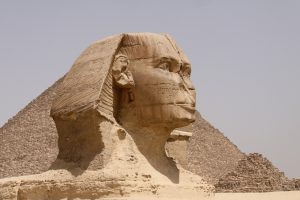
The Egyptian pyramids remain one of the greatest achievements of human civilization. Their architectural brilliance, cultural significance, and historical value continue to captivate and inspire people worldwide. As we uncover more about their construction and purpose, these timeless monuments remind us of the ingenuity and ambition of our ancestors. They stand not only as relics of a distant past but as enduring symbols of human creativity and perseverance.