
 By admin

Understanding Canine Distemper: Symptoms, Prevention, and Modern Care
Introduction
Canine distemper is one of the most serious and potentially fatal viral diseases that can affect domestic dogs and a variety of wild animals. Despite advances in veterinary medicine, distemper remains a global concern due to its highly contagious nature and the severe damage it can inflict on the immune, respiratory, gastrointestinal, and nervous systems. Many dog owners have heard the term but may not fully understand what the disease is, how it spreads, what symptoms to look for, and most importantly, how to prevent it.
This article provides a comprehensive and updated overview of canine distemper, including its causes, symptoms, methods of transmission, treatment options, and best practices for prevention. Understanding distemper is not only essential for responsible pet ownership—it is crucial for protecting your dog’s health and the well-being of the larger canine community.
What Is Canine Distemper?
Definition and Virus Characteristics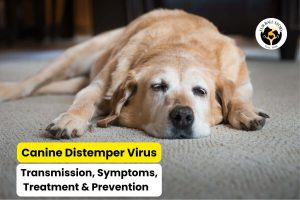
Canine distemper is caused by the Canine Distemper Virus (CDV), a close relative of the measles virus in humans. This virus belongs to the Paramyxoviridae family, known for affecting various mammals. CDV is highly infectious and aggressive, capable of spreading rapidly in unvaccinated populations.
Animals Affected
While domestic dogs are the most commonly affected species, the virus also infects:
- Foxes
- Wolves
- Coyotes
- Ferrets
- Raccoons
- Mink
- Lions and other large wild cats
- Seals
Because of this broad host range, canine distemper is considered a cross-species viral threat, making wildlife an ongoing source of infection.
How Distemper Spreads
Primary Transmission Methods
The virus is most commonly spread through aerosol transmission, meaning dogs can contract it by breathing in viral particles released when infected animals cough, sneeze, or bark. It can also spread through:
- Saliva
- Urine
- Blood
- Respiratory droplets
- Shared food and water bowls
A dog does not need direct contact with another animal to become infected. Exposure to contaminated environments can be enough, especially in kennels, shelters, breeding facilities, or dog parks where animals gather.
Infectious Period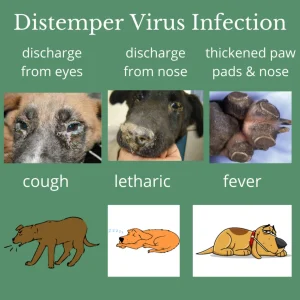
One of the challenges in containing the disease is that infected dogs may appear healthy for several days or weeks while still shedding the virus. Even after recovering, a dog may continue to carry and spread CDV for up to several months, making quarantine critical in preventing outbreaks.
Stages and Symptoms of Canine Distemper
Canine distemper progresses through several stages, each affecting different systems in the dog’s body. Not every dog will display all symptoms, and the severity varies based on immune response, age, and vaccination history.
1. Early Stage: Respiratory and Systemic Symptoms
During the early phase, the virus targets the respiratory tract and lymph nodes. Symptoms may resemble a mild cold or flu:
- Runny nose
- Watery eyes
- Red, inflamed eyes (conjunctivitis)
- mild coughing
- Slight fever (up to 103.5°F / 39.7°C)
- Loss of appetite
- Lethargy and fatigue
Because these symptoms are common to many other infections, distemper is often misdiagnosed in its early stages unless laboratory testing is performed.
2. Gastrointestinal Stage
As the virus attacks more organs, the gastrointestinal system becomes affected:
- Vomiting
- Diarrhea (sometimes severe and bloody)
- Significant weight loss

- Dehydration
- Dry or cracked nose
- Thickened footpads (in some cases, known as “hard pad disease”)
The weakening of the immune system leaves the dog vulnerable to secondary bacterial infections, which can worsen symptoms dramatically.
3. Neurological Stage
If the infection progresses to the nervous system, symptoms become more severe and often irreversible:
- Muscle twitching (commonly in the face and legs)
- Seizures
- Jerking or involuntary movements
- Disorientation or confusion
- Loss of coordination or inability to walk
- Sensitivity to touch or light
- Paralysis
This stage is often where the disease becomes life-threatening, and many dogs do not recover once neurological damage has developed.
Diagnosing Canine Distemper
Veterinarians diagnose distemper using a combination of:
- Clinical symptoms
- Blood tests
- Nasal or ocular swab tests (PCR testing)
- Imaging, such as x-rays, to assess lung damage
Because symptoms overlap with other diseases, accurate diagnosis is critical to ensuring proper management and preventing further spread.
Treatment: Can Canine Distemper Be Cured?
No Known Cure
There is currently no cure for the canine distemper virus itself. Treatment focuses on controlling symptoms, preventing secondary infections, and supporting the dog’s immune system.
Supportive Care Typically Includes:
- Intravenous (IV) fluids to prevent dehydration
- Anti-nausea medications
- Antibiotics to reduce secondary infections
- Anti-seizure medications (if neurological symptoms are present)
- Pain relief and temperature control
- Nutritional support and immune boosters
Some dogs recover if treatment begins early and the immune system is strong. However, dogs that reach the neurological stage often suffer permanent damage or require euthanasia to prevent suffering.
Prevention: The Importance of Vaccination
Vaccination Is the Best Protection
The most effective way to protect dogs from distemper is through vaccination. Modern vaccines are safe, reliable, and widely available.
Core Vaccine Schedule
Typically, puppies receive the DHPP vaccine, which protects against:
- Distemper
- Hepatitis
- Parvovirus
- Parainfluenza
Recommended Vaccination Schedule:
- Initial doses: 6–8 weeks old
- Follow-up doses every 3–4 weeks until 16 weeks old
- Booster: 1 year after the final puppy vaccine
- Boosters every 1–3 years depending on veterinarian guidance
Additional Prevention Steps
- Avoid contact with unknown dogs, especially unvaccinated ones
- Keep your dog away from wildlife areas or stray animal locations
- Maintain strict hygiene in kennels and grooming spaces
- Quarantine any dog showing respiratory or neurological symptoms
Vaccination does not just protect one dog—it helps maintain herd immunity, reducing the overall presence of the virus in communities.
Can Humans Get Distemper?
While humans cannot contract canine distemper, they can carry the virus on clothing or objects, accidentally transferring it between animals. Proper sanitation and handwashing are essential when handling multiple animals.
Living With and Supporting a Dog Recovering From Distemper
Recovery is possible for some dogs, especially if treatment occurs during early stages. However, dogs that survive distemper may suffer long-term effects, such as:
- Chronic muscle spasms
- Neurological disorders
- Behavioral changes
- Weak immunity
Providing a calm environment, proper nutrition, and ongoing veterinary follow-up are crucial for long-term care.
Conclusion
Canine distemper is a devastating virus that poses a serious threat to dogs and other animals worldwide. While there is no cure, awareness, early diagnosis, and most importantly, vaccination play the most significant roles in stopping the spread of the disease. By understanding how distemper spreads, recognizing its symptoms, and taking preventative action, dog owners can dramatically reduce the risk of infection. Protecting your pet through vaccination is not just an option—it is a vital responsibility that ensures your dog’s health, comfort, and longevity.
Taking proactive measures today can save your dog from pain, suffering, and potentially life-threatening complications tomorrow.