
 By admin

Mastering Personal Finance: How to Create, Maintain, and Optimize Your Budget for Long-Term Success
Introduction: The Power of Financial Control
In today’s fast-paced and consumer-driven world, personal finance has become more challenging than ever. Rising living costs, easy access to credit, and the constant temptation of online shopping make it difficult to stay in control of money. Yet, one proven tool continues to stand the test of time—a well-structured personal budget.
A budget is not a restrictive set of rules designed to limit your lifestyle. Instead, it is a financial blueprint that helps you prioritize your needs, eliminate wasteful spending, and achieve both short-term and long-term goals. From building an emergency fund to reducing debt, from saving for retirement to enjoying life’s pleasures, budgeting is the foundation of financial success.
This article provides a complete guide to creating, maintaining, and optimizing a budget, with actionable strategies and modern insights. It also highlights common pitfalls to avoid, practical money-saving tips, and ways to adapt budgeting to your lifestyle.
Step One: Creating and Maintaining a Budget
Listing Income and Expenses
The first step in budgeting is to understand where your money comes from and where it goes. Create a detailed list of all income sources—this may include salary, freelance income, alimony, child support, investment returns, or side hustles. Next, list all expenses, both fixed and variable.
- Fixed expenses: Rent or mortgage, utilities, insurance, loan payments.
- Variable expenses: Food, transportation, entertainment, clothing, travel.
- Occasional expenses: Medical bills, car maintenance, holidays, gifts.
By tracking every expense, you gain a clear picture of your spending habits. Use apps such as Mint, YNAB (You Need a Budget), or PocketGuard to simplify the process.
Adjusting Expenses
If your income does not cover your expenses, you must reduce spending or increase earnings. Small adjustments, like cutting entertainment or dining out, may solve minor gaps. For larger deficits, consider downsizing housing, renegotiating bills, or taking on additional income streams.
Even if your income covers all expenses, trimming unnecessary spending can free money for long-term goals such as vacations, education funds, or investments.
Adding Essential Budget Categories
Many beginners overlook critical categories, including:
- Debt reduction: Aggressively paying down high-interest loans saves thousands in interest.
- Emergency fund: A safety net covering 3–6 months of expenses prevents reliance on credit during crises.
- Retirement savings: Contributing to a pension or 401(k)/IRA ensures financial stability in later years.
Benefits of Budgeting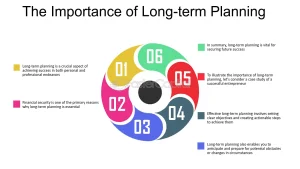
A disciplined budget provides multiple benefits:
- Financial security – You can pay bills on time and avoid debt.
- Goal achievement – Whether saving for a car, a home, or college tuition, budgeting makes dreams achievable.
- Debt reduction – A clear framework helps chip away at outstanding balances.
- Peace of mind – Financial stress decreases when money is well-managed.
A budget is not about limitation—it is about empowerment.
Step Two: Cutting Back on Spending
Managing Credit Card Habits
Credit card debt is one of the leading causes of financial instability. To avoid unnecessary interest:
- Pay with cash or debit whenever possible.
- If using a credit card, pay off the full balance each month.
- Transfer balances to cards with lower interest rates.
- Choose cards with no annual fees.
Everyday Money-Saving Habits
- Bring lunch from home: Saving $8–$12 daily adds up to thousands annually.
- Optimize phone usage: Switch to cheaper plans or make calls during off-peak hours.
- Use coupons and discount apps: Apps like Honey or Rakuten make savings effortless.
- Refinance loans: With historically low mortgage rates, refinancing can reduce monthly payments.
- Bundle insurance: Combining auto and home insurance often results in significant discounts.
Small adjustments, when consistent, create substantial annual savings.
Step Three: Start Saving
Pay Yourself First
The golden rule of personal finance is to save before you spend. Decide on a percentage of your paycheck (e.g., 10%) and automatically deposit it into a savings or investment account. Automating this step ensures consistency.
Use Spare Change and Micro-Savings
Technology now makes saving effortless. Apps like Acorns or Chime round up every purchase and deposit the spare change into savings. Over time, these micro-savings accumulate significantly.
Build Different Savings Buckets
- Emergency fund: Covers unexpected costs like car repairs or medical bills.
- Short-term goals: Vacations, weddings, home improvements.
- Long-term goals: Retirement, children’s education, property investment.
Stay Flexible
Life changes—new jobs, relocations, or family growth—require adjusting your budget. Review your plan every 3–6 months and make necessary revisions.
Step Four: Avoid Common Budgeting Pitfalls
Even the most disciplined savers make mistakes. Awareness is the first step to prevention.
Overusing Credit Cards
Having easy access to credit encourages unnecessary purchases. Keep only one credit card for emergencies and store it in a safe place rather than your wallet.
Lack of Patience
Financial goals take time. Resist the temptation to break savings habits for instant gratification. Discipline is the foundation of long-term success.
Failing to Update the Budget
Income and expenses evolve—ignoring these changes can create financial imbalances. Keep your budget dynamic.
Ignoring Special Occasions
Holidays, birthdays, or vacations require planning. By budgeting year-round for these expenses, you avoid overspending when the time arrives.
Underestimating Travel Costs
Transportation and accommodations are only part of travel expenses—budget for food, activities, and souvenirs, which often cost more than expected.
Step Five: Easy Money-Saving Changes
Maximize Product Usage
- Turn bottles upside down to use every drop.
- Cut open toothpaste or lotion tubes to avoid waste.
- Use less detergent and soap than recommended—manufacturers often suggest more than necessary.
Smart Substitutions at Home
- Replace costly cleaners with vinegar, baking soda, or ammonia.
- Use household containers (like jars or tubs) instead of buying storage bags.
- Replace expensive lotions with natural alternatives like coconut oil or petroleum jelly.
DIY Laundry Solution
Dissolve a bar of soap in water, add washing soda, and create your own low-cost laundry detergent.
These small tweaks may seem minor, but collectively, they can save hundreds per year.
Modern Tools to Enhance Budgeting
In addition to traditional budgeting, modern technology offers helpful tools:
- Budgeting apps: Mint, YNAB, Goodbudget.
- Banking automation: Automatic transfers to savings and bill payments.
- Financial literacy platforms: Free courses from Khan Academy or Coursera.
- Investment platforms: Apps like Robinhood or Fidelity make it easy to start investing with small amounts.
Leveraging technology ensures accuracy, consistency, and convenience in financial management.
Conclusion: Your Money, Your Freedom
Financial independence does not come from luck—it comes from discipline, planning, and consistency. By creating and maintaining a budget, cutting unnecessary spending, saving consistently, and avoiding common pitfalls, you can transform your financial life.
The key is not perfection but persistence. Even if your budget fails at first, adjust it and keep moving forward. Over time, these habits become second nature, giving you more freedom, less stress, and greater opportunities to enjoy life on your terms.
Maximizing Google AdSense Income