
 By admin
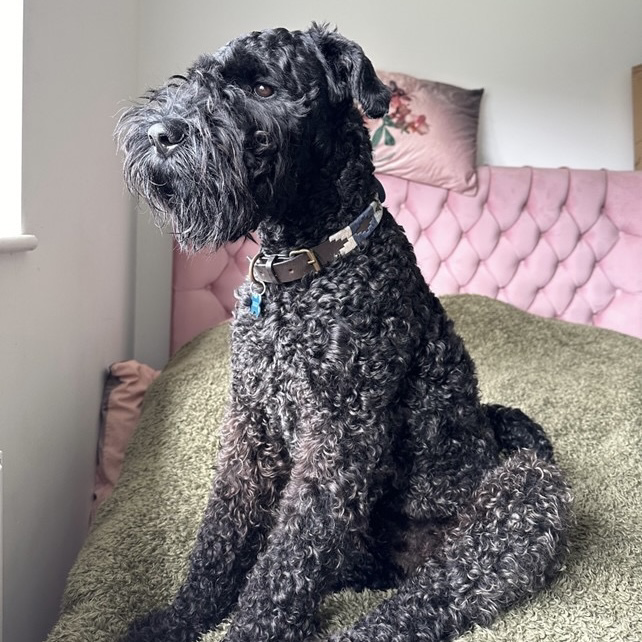
The Kerry Blue Terrier: History, Characteristics, and Care of an Extraordinary Breed
Introduction
The Kerry Blue Terrier, often simply called the Kerry, is a unique and fascinating dog breed that has captured the hearts of dog lovers worldwide. Known for its distinctive blue-gray coat, remarkable adaptability, and spirited personality, the Kerry Blue Terrier holds a special place among terriers.
Although this breed has been a part of Irish heritage for over 150 years, its exact origins remain shrouded in mystery. Throughout history, the Kerry has been celebrated as a versatile working dog, a loyal family companion, and even a skilled watchdog. Today, it continues to thrive in homes across the world, balancing its playful energy with unwavering devotion.
In this article, we will explore the history, temperament, care needs, training requirements, and modern role of the Kerry Blue Terrier. Whether you are considering bringing one into your home or simply want to learn more about this rare breed, this comprehensive guide will provide all the information you need.
The Origins and History of the Kerry Blue Terrier
Irish Roots and Folklore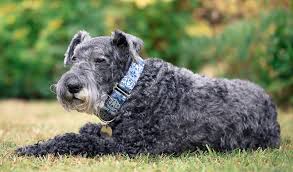
The Kerry Blue Terrier is one of Ireland’s most iconic dog breeds. For centuries, it has been associated with the rugged countryside of County Kerry, from which it takes its name. Yet, despite its long presence in Irish culture, the true origins of the breed remain uncertain.
Legends and folklore abound:
- The Peasant’s Hunter: One story suggests that Irish peasants bred the Kerry as a hunting companion since wolfhounds were reserved for the nobility. While aristocrats pursued game with their wolfhounds, peasants relied on the Kerry’s agility, courage, and intelligence to hunt smaller prey.
- The Russian Shipwreck Theory: Another tale describes a shipwreck off the Irish coast carrying a blue-coated dog, believed to have swum ashore and bred with local terriers. This could explain the unique coat color that defines the breed today.
Development as a Working Dog
Originally bred as a farm and utility dog, the Kerry Blue Terrier excelled in multiple roles. Farmers valued it for controlling vermin, hunting small game, and even herding livestock. Over time, the breed became known not only for its versatility but also for its bravery, often taking on animals larger than itself.
By the early 20th century, the breed gained recognition outside Ireland. It was showcased in dog shows and even trained by the English as a police dog, highlighting its intelligence and trainability.
Modern Recognition
The Irish Kennel Club first recognized the breed in the 1920s, and the American Kennel Club (AKC) followed suit in 1924. Today, while not as common as other terriers, the Kerry Blue Terrier remains cherished by enthusiasts who admire its combination of beauty, brains, and loyalty.
Physical Characteristics
Distinctive Coat
The Kerry Blue Terrier’s most striking feature is its soft, wavy, blue-gray coat. Puppies are born black, and the signature blue coloring develops gradually, usually appearing by 18 months. The coat is non-shedding, making it a potential choice for allergy-sensitive households, though it requires regular grooming.
Size and Build
- Height: 17–19 inches (43–48 cm)
- Weight: 30–40 pounds (13–18 kg)
The breed is medium-sized, with a muscular yet elegant build. Its stance exudes confidence, and its expressive dark eyes give it a lively, intelligent look.
Health and Lifespan
The Kerry Blue Terrier is generally a healthy and hardy breed, with an average lifespan of 12–15 years. While they have fewer genetic issues than many purebred dogs, owners should still screen for:
- Hip dysplasia
- Eye conditions (such as cataracts and entropion)
Responsible breeders typically provide health certifications before adoption.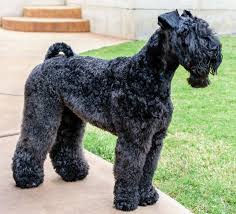
Temperament and Personality
Loyal and Affectionate Companions
Kerry Blue Terriers are deeply devoted to their families. They thrive on human companionship and are happiest when included in daily activities. Many owners describe their Kerries as “velcro dogs” because they love to follow their humans around.
Playful and Energetic
This is a high-energy breed with a playful spirit. They enjoy interactive games, outdoor adventures, and mental challenges. Without enough exercise and stimulation, they can become restless or mischievous.
Natural Watchdogs
The Kerry’s alertness makes it an excellent watchdog. While not overly aggressive, it is protective of its home and will bark to alert owners of unfamiliar activity.
Terrier Traits
Like many terriers, the Kerry can sometimes be stubborn and strong-willed. Early training and consistent boundaries are essential to channel their intelligence and independence into positive behaviors.
Training and Socialization
Eager to Learn
The Kerry Blue Terrier is highly trainable due to its intelligence and eagerness to please. With positive reinforcement techniques, such as treats and praise, they quickly learn commands and tricks.
Early Socialization
Socialization is vital to prevent territorial behavior and aggression toward other dogs. Introducing your Kerry to different people, pets, and environments from a young age ensures a well-rounded temperament.
House Training
One of the advantages of the Kerry Blue Terrier is that it is relatively easy to housebreak. Their cooperative nature makes them quick learners, especially when routines and consistency are applied.
Exercise and Activity Needs
Daily Requirements
The Kerry Blue Terrier is not a couch potato. It requires at least 60–90 minutes of daily exercise. Activities may include:
- Walks and hikes
- Agility training
- Fetch and tug-of-war
- Interactive puzzle toys
Mental Stimulation
Because of their intelligence, Kerries also need mental challenges. Without sufficient engagement, they may become bored and develop destructive behaviors.
Grooming and Coat Care
Regular Grooming
The Kerry Blue Terrier’s coat is unique—it does not shed like most dogs but continues to grow, similar to human hair. As such, it requires:
- Brushing 2–3 times per week to prevent matting
- Professional grooming every 6–8 weeks to maintain its distinct look
Allergy-Friendly Qualities
While no dog is truly hypoallergenic, the Kerry’s non-shedding coat produces less dander than many breeds, making it a popular choice for allergy sufferers.
Family Compatibility
With Children
Kerry Blue Terriers can make wonderful companions for children. They are playful, energetic, and affectionate. However, children should be taught to treat the dog with kindness and respect, as Kerries do not tolerate rough handling.
With Other Pets
The Kerry’s strong prey drive means caution should be exercised when introducing them to smaller animals. While they can live peacefully with other dogs if properly socialized, they may sometimes challenge same-sex dogs.
Is the Kerry Blue Terrier Right for You?
The Kerry Blue Terrier is a remarkable breed, but it may not be the right fit for every household. Potential owners should consider:
- Active lifestyles: Kerries need plenty of exercise and engagement.

- Commitment to grooming: Their coat requires ongoing maintenance.
- Patience and training skills: Terriers can be independent and stubborn, so consistency is key.
For the right family, however, the Kerry Blue Terrier offers unmatched companionship, loyalty, and charm.
Conclusion
The Kerry Blue Terrier is more than just a beautiful dog with a striking blue coat—it is a loyal guardian, a playful companion, and a versatile working dog with a fascinating history. From its mysterious Irish roots to its modern role as a beloved family pet, the Kerry continues to enchant dog lovers around the world.
Owning a Kerry means embracing an active, affectionate, and intelligent companion who will thrive when given love, training, and attention. While not the easiest breed for first-time owners, those who understand its needs will find a lifelong friend.
The Science and Symbolism of Honeycombs