
 By admin
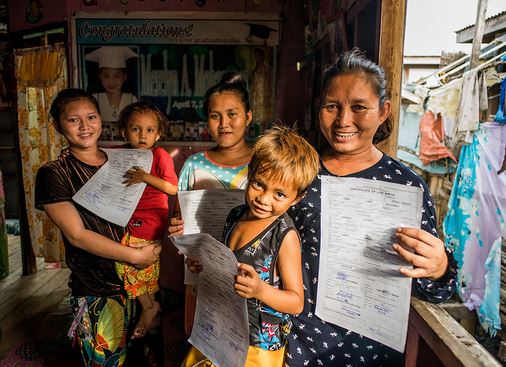
Statelessness: A Global Human Rights Challenge
Introduction
Statelessness is a complex and often overlooked global issue that affects millions of individuals worldwide. A stateless person is someone who is not recognized as a citizen by any country under the operation of its laws. This lack of nationality deprives individuals of fundamental rights and access to essential services, leaving them in a state of legal and social limbo. Statelessness not only impacts the lives of those directly affected but also poses broader challenges to global human rights and social justice. This article explores the causes, challenges, and solutions related to statelessness, with a particular focus on the difficulties stateless individuals face in international travel and accessing basic rights.
Understanding Statelessness
Definition and Legal Framework
According to the 1954 Convention Relating to the Status of Stateless Persons, a stateless individual is defined as “a person who is not considered as a national by any State under the operation of its law.” This legal definition highlights the precarious position of stateless individuals, who lack the protection and recognition that citizenship provides. Without nationality, stateless persons are often excluded from legal systems, making them vulnerable to exploitation and marginalization.
Global Statistics
The United Nations High Commissioner for Refugees (UNHCR) estimates that there are at least 4.3 million stateless individuals globally, although the actual number is believed to be much higher due to underreporting and lack of data. Statelessness is a widespread issue, affecting regions such as the Middle East, Southeast Asia, and parts of Africa.
Causes of Statelessness
1. Discrimination in Nationality Laws
Discriminatory laws based on ethnicity, religion, or gender are significant contributors to statelessness. For example, in some countries, women are unable to pass their nationality to their children, leading to statelessness if the father is unknown or also stateless. Such laws disproportionately affect marginalized groups and perpetuate cycles of exclusion.
2. State Succession and Border Changes
The emergence of new states or changes in national borders can leave individuals without a clear nationality. For instance, the dissolution of the Soviet Union and Yugoslavia created stateless populations as new nations established their citizenship criteria, often excluding minority groups.
3. Gaps and Conflicts in Nationality Laws
Inconsistencies between nationality laws of different countries can result in statelessness. For example, a child born in a country that grants citizenship by descent (jus sanguinis) to parents who are citizens of a country that grants citizenship by birth (jus soli) may end up stateless if neither country recognizes the child as a citizen.
4. Administrative Barriers
Bureaucratic inefficiencies, lack of documentation, and high costs associated with registration can prevent individuals from obtaining proof of nationality. In many cases, statelessness is a result of systemic failures rather than individual circumstances.
Challenges Faced by Stateless Individuals
1. Lack of Legal Recognition
Without citizenship, stateless individuals often lack access to identity documents, making it difficult to prove their existence legally. This legal invisibility excludes them from participating in society and accessing basic rights.
2. Restricted Freedom of Movement
Stateless individuals face significant barriers to domestic and international travel. Without passports or recognized travel documents, they are often unable to cross borders or even move freely within their country of residence.
3. Limited Access to Essential Services
Access to education, healthcare, employment, and social services is often restricted or denied to stateless individuals. These services typically require proof of nationality, leaving stateless persons in a perpetual state of deprivation.
4. Vulnerability to Exploitation
Stateless individuals are at heightened risk of exploitation, trafficking, and arbitrary detention due to their lack of legal protection. Their marginalization makes them easy targets for abuse and human rights violations.
International Travel for Stateless Individuals
1. Travel Documents under the 1954 Convention
The 1954 Convention Relating to the Status of Stateless Persons obliges signatory states to issue travel documents to stateless individuals lawfully residing within their territories. These “Convention Travel Documents” function similarly to passports, enabling stateless persons to travel internationally.
2. Refugee Travel Documents
Stateless individuals recognized as refugees under the 1951 Refugee Convention may be issued refugee travel documents, allowing them to travel outside their country of residence.
3. National Solutions
Some countries have implemented provisions to issue temporary or permanent travel documents to stateless individuals, even if they are not parties to the 1954 Convention.
Challenges with Travel Documents
Despite these mechanisms, stateless individuals often face significant hurdles, including limited recognition of their travel documents, stringent visa requirements, and administrative barriers in the application process.
Case Study: Statelessness in the Middle East
The issue of statelessness is particularly pronounced in the Middle East, where the “Bidun” population in countries like Kuwait faces severe restrictions. The term “Bidun,” derived from the Arabic “bidun jinsiyya” (without nationality), refers to individuals who have lived in these countries for generations but are not recognized as citizens.
Bidun individuals often lack access to official identification documents, severely limiting their ability to travel, work legally, or access public services. Despite ongoing efforts to resolve their stateless status, many continue to face legal and social challenges.
Efforts to Address Statelessness
1. Role of the UNHCR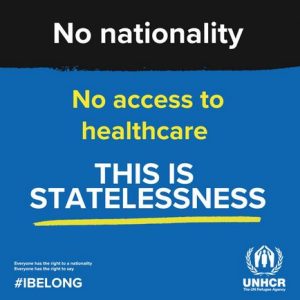
The United Nations High Commissioner for Refugees (UNHCR) has a mandate to identify and protect stateless individuals and to prevent and reduce statelessness globally. The agency works with governments to reform nationality laws and implement procedures to recognize stateless status.
2. Global Campaign to End Statelessness
Launched in 2014, this campaign aims to end statelessness within a decade by raising awareness, promoting legal reforms, and supporting stateless populations.
3. National Initiatives
Some countries have taken steps to naturalize stateless populations or implement legal safeguards to prevent new cases of statelessness. For example, ensuring that children born on their soil acquire nationality is a critical measure.
Conclusion
Statelessness remains a pressing human rights issue with profound implications for affected individuals. While international frameworks provide mechanisms for assistance, significant challenges persist, particularly concerning international travel and access to basic rights. Addressing statelessness requires a concerted effort from governments, international organizations, and civil society to ensure that every individual has the right to a nationality and the protections it affords.
What to Do If You’re on the No-Fly List