
 By admin
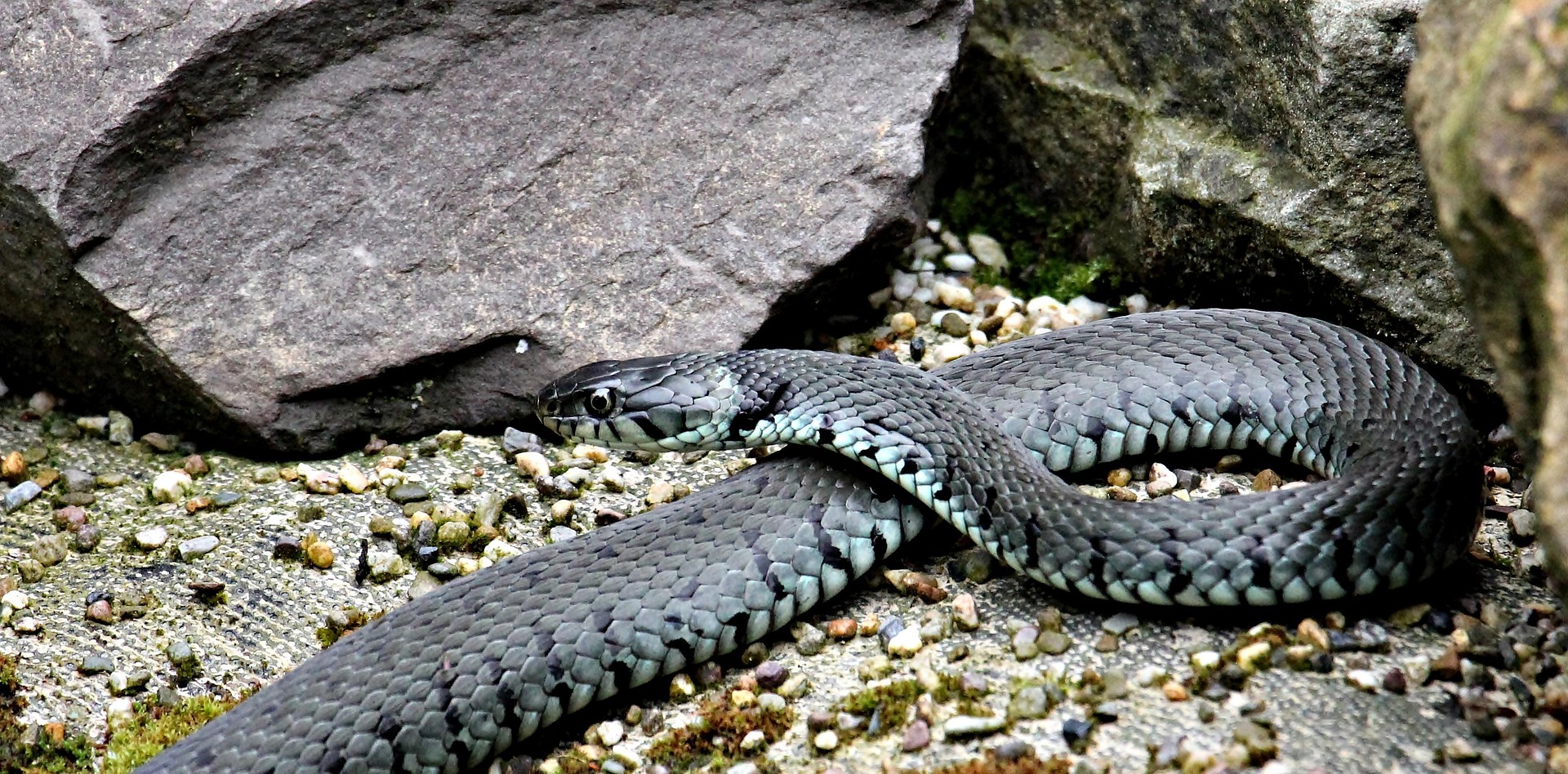
Snakes are among the most fascinating and enigmatic creatures in the animal kingdom. Despite lacking limbs, they have evolved a variety of unique locomotion methods that allow them to navigate diverse environments efficiently. This article delves into the anatomy of snakes, their various modes of movement, and the evolutionary adaptations that have enabled them to thrive without legs.
Anatomy of Snake Locomotion
The snake’s body is a marvel of evolutionary engineering, specifically adapted for movement without limbs. Key anatomical features include:
- Vertebral Column: Snakes possess an elongated spine comprising 200 to 400 vertebrae, each connected to a pair of ribs. This structure provides both flexibility and support, enabling a wide range of motion.
- Musculature: A complex system of muscles attaches to the ribs and skin, facilitating precise control over body movements. These muscles contract sequentially to produce various locomotor patterns.
- Scales: The ventral scales, or scutes, are specialized for traction. Their overlapping arrangement grips surfaces, aiding in propulsion.
Modes of Snake Locomotion
Snakes employ several distinct locomotion methods, each suited to specific terrains and situations:
- Lateral Undulation: The most common form of snake movement, characterized by a series of S-shaped curves that propagate down the body. By pressing against fixed points in the environment, such as rocks or branches, the snake generates forward thrust. This method is highly efficient on both land and in water.
- Concertina Movement: Utilized in confined spaces like burrows, the snake anchors the rear portion of its body while extending the front, then pulls the back part forward. This inchworm-like motion is slower but effective in tight environments.
- Sidewinding: Employed primarily by desert-dwelling species on loose substrates like sand, sidewinding involves lifting parts of the body off the ground and moving sideways in a series of coordinated loops. This technique minimizes contact with the hot surface and provides stability on shifting terrain.
- Rectilinear Locomotion: A slow, straight movement where the snake alternately lifts and contracts sections of its belly scales, inching forward smoothly. This mode is often used by heavy-bodied snakes, such as pythons and boas, especially when stalking prey.
Evolutionary Adaptations
The evolution of limbless locomotion in snakes is a subject of extensive scientific inquiry. Fossil evidence suggests that snakes descended from lizard-like ancestors that gradually lost their limbs to adapt to burrowing lifestyles. Over time, their bodies became elongated, and their internal organs rearranged to fit the streamlined shape.
Interestingly, some modern snakes, like pythons and boas, retain vestigial pelvic spurs—remnants of hind limbs—indicating their evolutionary history. These spurs are often used during mating but play no role in locomotion.
Neurological Control
The coordination of muscle contractions for snake locomotion is governed by a specialized nervous system. Central pattern generators (CPGs) in the spinal cord produce rhythmic signals that control the sequential activation of muscles, enabling the various modes of movement. This decentralized control allows snakes to react swiftly to environmental stimuli, even without direct input from the brain.
Environmental Interactions
Snakes have adapted their locomotion to thrive in diverse habitats:
- Arboreal Environments: Tree-dwelling snakes utilize lateral undulation and concertina movements to navigate branches, often employing their prehensile tails for additional grip.
- Aquatic Environments: Water snakes enhance lateral undulation by flattening their bodies to increase surface area, effectively propelling themselves through water.
- Fossorial Environments: Burrowing species exhibit reduced scales and streamlined bodies, facilitating concertina movement through soil and tight underground passages.
Energetics of Snake Locomotion
Despite the absence of limbs, snake locomotion is energy-efficient. Studies have shown that lateral undulation, in particular, requires less energy compared to the locomotion of similarly sized limbed animals. This efficiency is partly due to the passive elastic recoil of muscles and skin, which aids in movement without continuous muscular effort.
Conclusion
The limbless locomotion of snakes is a testament to evolutionary ingenuity. Through specialized anatomy, diverse movement strategies, and neurological adaptations, snakes have mastered the art of movement without limbs, allowing them to occupy a wide array of ecological niches successfully.
The Truth Behind Bat Vision and Echolocation