
 By admin
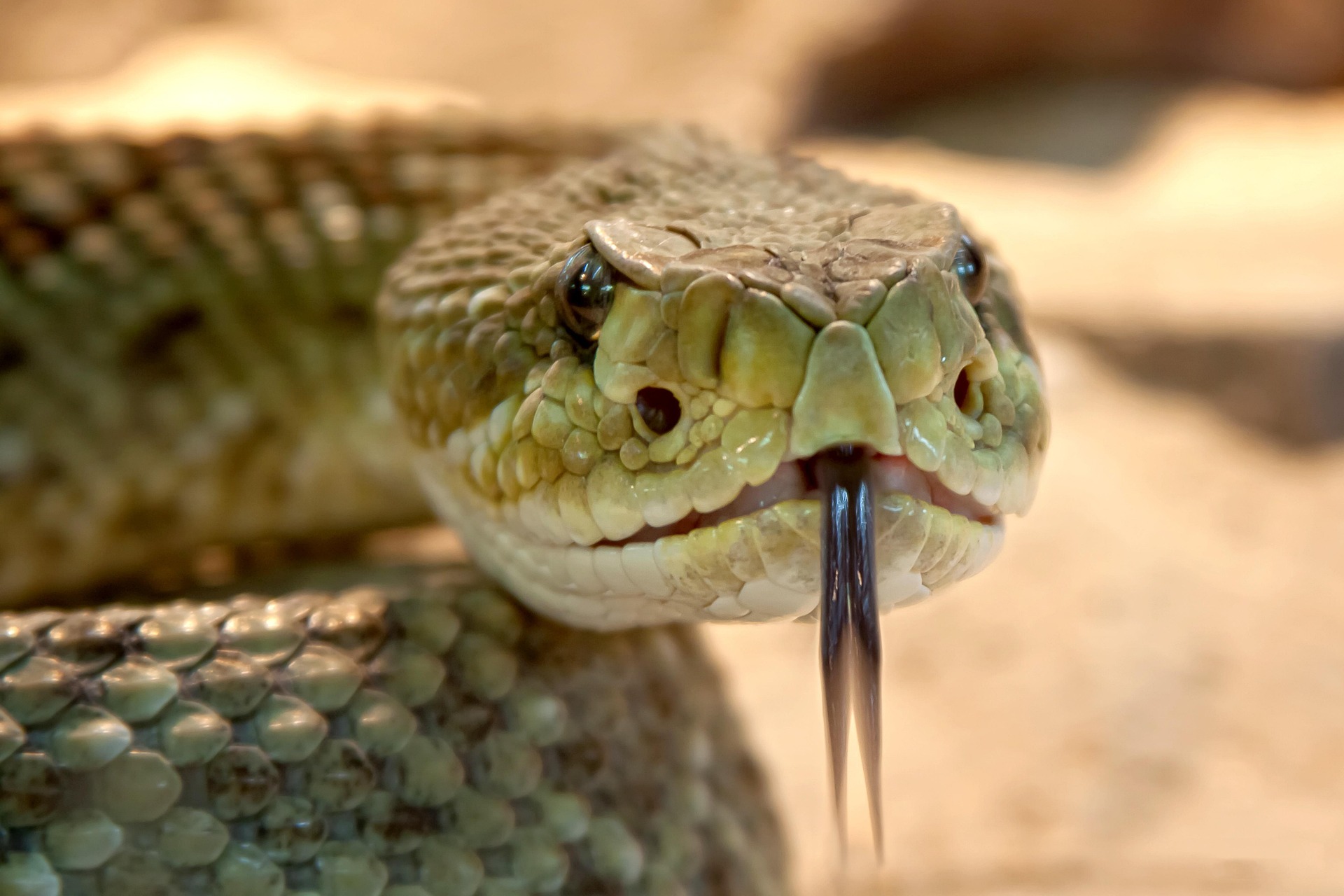
How Do Snakes Hear Without Ears? Unraveling the Mystery of Snake Auditory Perception
Introduction
Snakes have long captivated scientists and nature enthusiasts due to their unique adaptations, from their slithering locomotion to their predatory prowess. One of the most intriguing aspects of snake biology is their ability to perceive sounds despite the absence of external ears. How do these limbless reptiles detect vibrations and interpret their surroundings? This article explores the anatomy of snake hearing, the mechanisms they use to sense vibrations and airborne sounds, and the latest scientific discoveries that shed light on this fascinating sensory system.
The Anatomy of Snake Hearing
Lack of External Ears
Unlike mammals, snakes lack external ear structures, such as pinnae and eardrums (tympanic membranes). This absence has led to the misconception that snakes are deaf. However, their auditory system is highly specialized, relying on internal structures to detect and process vibrations.
The Inner Ear and Its Role
Snakes possess an inner ear that includes the cochlea, a structure responsible for processing sound vibrations. The inner ear is connected to the jawbone through a single ossicle called the columella. This bone acts as a bridge, transmitting vibrations from the jaw to the inner ear. This unique adaptation allows snakes to detect both ground-borne and airborne vibrations, albeit with varying efficiency.
Mechanisms of Sound Detection in Snakes
Ground-Borne Vibrations: A Primary Sensory Input
Snakes are highly attuned to ground-borne vibrations, which play a critical role in their survival. As they move, their bodies remain in constant contact with the ground, enabling them to sense vibrations caused by nearby prey, predators, or environmental changes.
- Jawbone as a Vibration Receptor: The snake’s jawbone acts as a primary receptor for ground vibrations. When vibrations travel through the ground, they are picked up by the jawbone and transmitted to the inner ear via the columella.
- Sensitivity to Subtle Movements: This mechanism is incredibly sensitive, allowing snakes to detect even the faintest vibrations, such as the footsteps of a small rodent or the approach of a predator.
Airborne Sounds: Limited but Present Perception
While snakes are primarily adapted to detect ground vibrations, recent studies suggest they can also perceive certain airborne sounds.
- Transmission Through Skull Bones: Airborne sound waves are believed to travel through the snake’s skull bones to the inner ear. However, due to the lack of external and middle ear structures, their ability to detect airborne sounds is limited.
- Preference for Low Frequencies: Snakes are more attuned to low-frequency sounds, which are more likely to produce detectable vibrations. High-frequency sounds, on the other hand, are less perceptible to them.
Recent Scientific Discoveries
Behavioral Responses to Sound Stimuli
A groundbreaking study conducted by the University of Queensland explored how snakes respond to different sound frequencies. Researchers exposed captive snakes to three distinct sound frequencies in a controlled environment and observed their reactions.
- Varied Behavioral Responses: The study revealed that snakes exhibited different behaviors depending on the frequency and type of sound. For example, some species displayed defensive postures when exposed to specific airborne sounds, suggesting an ability to detect and interpret potential threats.
- Implications for Auditory Perception: These findings indicate that snake hearing is more complex than previously thought, with the ability to distinguish between different types of sounds.
Anatomical Insights into Vibration Transmission
Recent anatomical studies have focused on the role of the columella and jawbone in sound detection.
- Efficient Vibration Transmission: Research has confirmed that the columella is highly effective at transmitting vibrations from the jaw to the inner ear. This adaptation is particularly advantageous for hunting and predator avoidance.
- Adaptations for Survival: The ability to detect subtle vibrations enhances a snake’s ability to locate prey and evade predators, even in low-visibility environments.

Implications of Snake Auditory Capabilities
Predatory Behavior and Hunting Strategies
The ability to detect vibrations is crucial for a snake’s hunting success.
- Ambush Predators: Many snakes rely on ambush tactics, remaining motionless until prey comes within striking distance. Their sensitivity to ground vibrations allows them to detect the approach of prey without relying on visual cues.
- Enhanced Hunting Efficiency: This sensory adaptation enables snakes to hunt effectively in diverse environments, from dense forests to arid deserts.
Communication and Social Interactions
While snakes are generally solitary, their auditory capabilities may play a role in communication.
- Mating and Territoriality: During mating seasons, snakes may use vibrations or low-frequency sounds to signal their presence to potential mates or rivals.
- Parental Care: In some species, auditory cues may facilitate interactions between mothers and offspring, although this area requires further research.
Evolutionary Adaptations
The evolution of vibration-based hearing in snakes highlights their remarkable adaptability.
- Compensating for Lack of External Ears: By developing a specialized auditory system, snakes have overcome the limitations of their anatomy, allowing them to thrive in various ecological niches.
- Diversity of Sensory Adaptations: The unique hearing mechanisms of snakes underscore the diversity of sensory adaptations in the animal kingdom, offering insights into the evolutionary pressures that shape these traits.
Conclusion
Snakes, despite their lack of external ears, have evolved sophisticated mechanisms to perceive their environment through vibrations. Their specialized anatomy, particularly the connection between the jawbone and inner ear via the columella, enables them to detect both ground-borne and certain airborne sounds. Recent scientific advancements have deepened our understanding of snake auditory capabilities, revealing complex behaviors and adaptations that enhance their survival. These discoveries not only enrich our appreciation for these enigmatic reptiles but also contribute to the broader field of sensory biology and evolution.
Feeding Your Dog for Optimal Health