
 By admin

Why Are Mice the Preferred Choice for Scientific Experiments?
Introduction
Scientific research has been the driving force behind countless advancements in medicine, biology, and environmental studies. Among the various methodologies employed, animal testing remains a cornerstone of experimental science, with mice being the most widely used subjects. These small rodents have played a pivotal role in groundbreaking discoveries, from understanding genetic disorders to developing life-saving drugs. But what makes mice the go-to choice for researchers? This article delves into the historical, biological, and ethical reasons behind the widespread use of mice in scientific experiments, while also exploring modern alternatives and their implications for the future of research.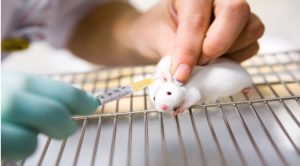
Historical Background of Mice in Research
The use of mice in scientific experiments dates back to the early 20th century, when researchers began to recognize their unique biological and genetic characteristics. In 1909, Clarence Cook Little, an American geneticist, pioneered the development of inbred mouse strains, creating genetically uniform populations. This breakthrough allowed scientists to control variables and ensure reproducibility in their studies. Over time, mice became indispensable in fields such as genetics, immunology, and cancer research, leading to transformative discoveries that have shaped modern medicine.
Biological Advantages of Mice in Research
1. Genetic Similarity to Humans
One of the primary reasons mice are favored in research is their striking genetic similarity to humans. Approximately 95% of mouse genes have human counterparts, making them ideal for studying human diseases and biological processes. This genetic overlap enables researchers to model complex conditions such as cancer, diabetes, and neurodegenerative disorders with remarkable accuracy.
2. Small Size and Rapid Reproduction
Mice are small, cost-effective, and easy to house, making them practical for large-scale studies. Their short reproductive cycles—gestation periods of about 20 days—allow researchers to observe genetic changes and disease progression across multiple generations in a relatively short time frame. This rapid turnover is invaluable for longitudinal studies and genetic research.
3. Adaptability to Genetic Manipulation
Mice are highly amenable to genetic modification, enabling scientists to create models that mimic human diseases. Techniques such as gene knockout and transgenic engineering have revolutionized our understanding of gene function and disease mechanisms.
Mice in Genetic Research
1. Knockout Mice
Knockout mice are genetically engineered to have specific genes deactivated, allowing researchers to study the effects of gene loss. This approach has been instrumental in understanding diseases like Alzheimer’s, cystic fibrosis, and various cancers. For instance, knockout mice have helped identify the role of the BRCA1 gene in breast cancer.
2. Transgenic Mice
Transgenic mice carry foreign genes inserted into their genomes, enabling scientists to study how these genes influence disease development. These models have been critical in cancer research, where they have helped identify new therapeutic targets and test potential treatments.
Mice in Drug Development
1. Preclinical Testing
Before any new drug can be tested in humans, it must undergo rigorous preclinical testing in animal models. Mice are widely used to evaluate the safety, efficacy, and pharmacokinetics of new compounds. Their biological similarity to humans makes them a reliable proxy for predicting how a drug will behave in human patients.
2. Toxicology Studies
Mice are essential for toxicology studies, which assess the potential side effects and safe dosage ranges of new drugs. These studies provide critical data on how drugs are absorbed, metabolized, and excreted, ensuring that only the safest and most effective treatments proceed to human trials.
3. Disease Models
Mouse models of human diseases, such as diabetes, cardiovascular disorders, and autoimmune conditions, are invaluable for testing new therapies. For example, mouse models of diabetes have facilitated the development of advanced insulin formulations and glucose-lowering medications.
Ethical Considerations and Alternatives
1. The 3Rs Principle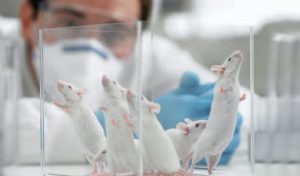
The ethical use of animals in research is guided by the 3Rs principle: Replacement, Reduction, and Refinement.
- Replacement: Encourages the use of non-animal alternatives, such as cell cultures or computer simulations, whenever possible.
- Reduction: Aims to minimize the number of animals used in experiments without compromising scientific validity.
- Refinement: Focuses on improving experimental procedures to reduce pain and stress for animals.
2. Advances in Alternative Methods
Emerging technologies, such as organ-on-a-chip systems and advanced computational models, are increasingly being used to complement or replace animal testing. While these methods are not yet capable of fully replicating the complexity of living organisms, they represent a significant step toward reducing reliance on animal models.
3. Regulatory Oversight
Animal research is subject to strict regulatory oversight in most countries. Institutions conducting animal studies are required to establish Institutional Animal Care and Use Committees (IACUCs) to ensure compliance with ethical guidelines. These committees review research proposals to ensure that animal use is justified and that humane practices are followed.
Case Studies of Breakthroughs Using Mice
1. Cancer Research
Mice have been instrumental in identifying the genetic mutations responsible for various cancers. For example, mouse models were crucial in the development of HER2 inhibitors, a targeted therapy for breast cancer.
2. Vaccine Development
Mouse models have played a critical role in the development of vaccines for diseases such as polio, influenza, and COVID-19. During the COVID-19 pandemic, mice were used to test vaccine candidates and evaluate immune responses.
3. Neurodegenerative Diseases
Research on Alzheimer’s and Parkinson’s diseases has benefited significantly from mouse models. By studying genetically modified mice that exhibit symptoms similar to these conditions, scientists have identified potential therapeutic targets and tested experimental treatments.
Conclusion
Mice have become an indispensable tool in scientific research due to their genetic similarity to humans, ease of handling, and adaptability for genetic manipulation. Their use has led to groundbreaking discoveries in genetics, drug development, and disease research. While ethical concerns surrounding animal testing persist, ongoing efforts to refine research practices and develop alternative methods are helping to strike a balance between scientific progress and animal welfare. As technology continues to evolve, the future of research may see a gradual shift away from animal models, but mice will likely remain a critical component of scientific exploration for years to come.
How Snakes Hear Without Ears