
 By admin
Introduction
The 1990s marked a golden era in television history, with groundbreaking storytelling, unforgettable characters, and series that still resonate with audiences decades later. This decade was pivotal in transitioning television from formulaic sitcoms to complex narratives, serialized dramas, and genre-bending formats. The shows of the ’90s not only entertained but also redefined what television could be, setting the stage for the modern era of prestige TV.
In this article, we’ll explore the top 10 TV series of the 1990s, delving into what made each show iconic, how they reflected the culture of the time, and why they remain relevant in today’s streaming world. From the laughter of ‘Friends’ to the dark complexity of ‘The Sopranos’, each series carved its own legacy in television history.
1. Friends – Coffee, Sarcasm, and Enduring Friendship
A Sitcom That Defined a Generation
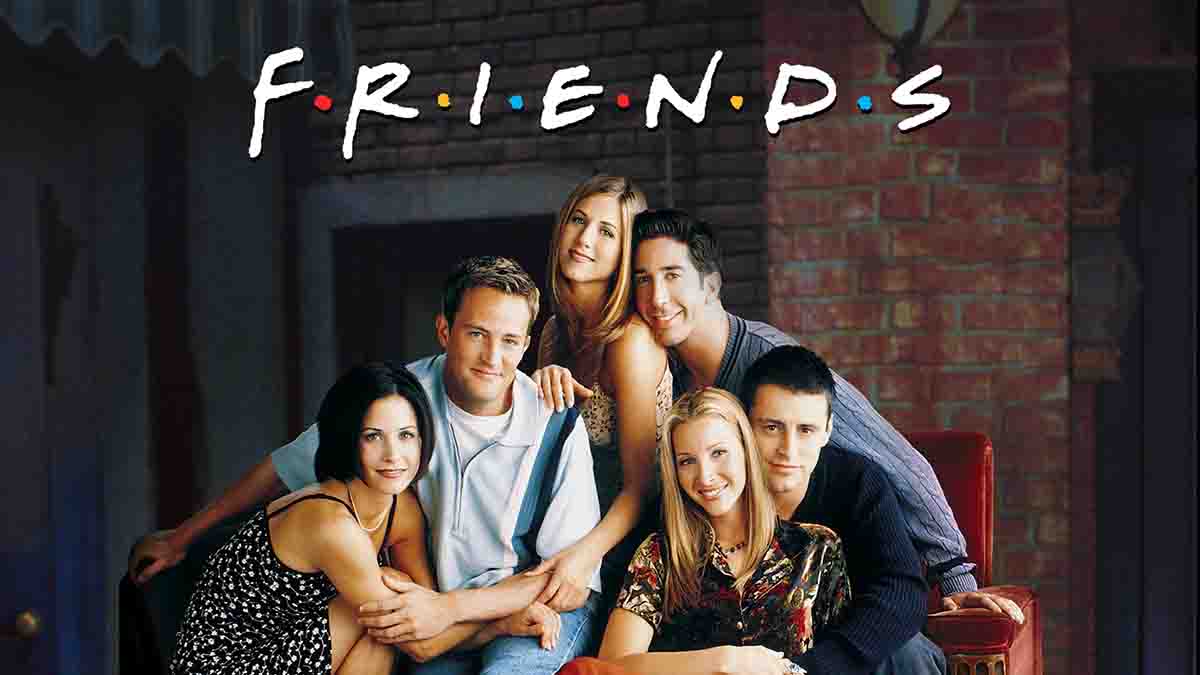
Premiering in 1994, Friends followed six twenty-somethings navigating life, love, and careers in New York City. With its Central Perk coffeehouse setting and catchy theme song, it quickly became a cultural phenomenon.
Legacy and Cultural Impact
-
Created iconic catchphrases (“We were on a break!”)
-
Boosted careers of actors like Jennifer Aniston and Matthew Perry
-
Remains a streaming giant on platforms like Netflix and Max
Why It Endures
The universal themes of friendship, growing pains, and romantic misadventures make Friends eternally relatable. Its rewatch value and syndication success prove its timeless charm.
2. Seinfeld – A Show About Nothing That Meant Everything
Redefining Sitcoms
Created by Larry David and Jerry Seinfeld, this “show about nothing” debuted in 1989 and soared through the ’90s, celebrating everyday absurdities.
What Made It Special
-
Unique structure without moral lessons or heartfelt conclusions
-
Iconic characters like Kramer and George Costanza
-
Revolutionized TV comedy writing
Lasting Influence
Seinfeld paved the way for meta-humor and self-aware storytelling in modern comedies. Its observational humor remains unmatched.
3. The X-Files – Aliens, Conspiracies, and Government Secrets
The Rise of Sci-Fi Drama
Airing from 1993, The X-Files brought science fiction to the mainstream. Agents Mulder and Scully investigated paranormal phenomena and government conspiracies with palpable chemistry.
Key Elements
-
A blend of “monster-of-the-week” and overarching story arcs
-
Themes of trust, skepticism, and existential fear
-
One of the first shows to create online fan communities
Cultural Relevance
Its dark tone and philosophical depth influenced later series like Lost and Stranger Things. “The truth is out there” became a generational mantra.
4. The Simpsons – America’s Favorite Yellow Family
Animated Satire with a Bite
Debuting in 1989 but flourishing in the 1990s, The Simpsons combined cartoon absurdity with sharp social satire.
Highlights of the Era
-
Seasons 3 to 8 are considered the show’s golden years
-
Tackled political, social, and family issues through humor
-
Introduced a new format for adult animation
Why It Still Matters
The Simpsons laid the groundwork for shows like Family Guy, South Park, and Rick and Morty. Its longevity (now over 30 seasons) is a testament to its innovative storytelling.
5. Twin Peaks – The Surreal Mystery That Bewitched Audiences
A Genre-Defying Experience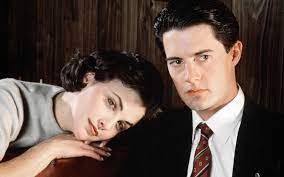
David Lynch’s Twin Peaks (1990-1991) was unlike anything on TV at the time—part mystery, part horror, part soap opera.
What Set It Apart
-
Dreamlike narrative structure
-
The haunting question: “Who killed Laura Palmer?”
-
A mix of supernatural and small-town Americana
Enduring Legacy
Though its original run was short-lived, it became a cult classic and inspired shows like The Leftovers and Dark. Its 2017 revival proved its lasting appeal.
6. The Fresh Prince of Bel-Air – Humor with Heart
Will Smith’s Breakthrough
In 1990, The Fresh Prince of Bel-Air introduced audiences to Will Smith’s magnetic charisma. The sitcom followed a street-smart teen from Philly adjusting to life in an upscale LA neighborhood.
Memorable Features
-
Hilarious contrast between cultures and classes
-
Balanced comedy with emotional depth (e.g., Will’s confrontation with his father)
-
A catchy and beloved theme song
Modern Influence
It brought diversity to mainstream TV and opened the door for other shows centered on Black families. A dramatic reboot, Bel-Air, premiered in 2022, highlighting its enduring relevance.
7. ER – High-Stakes Drama in the Emergency Room
Medical Drama Redefined
Premiering in 1994 and running for 15 seasons, ER set the standard for medical dramas. Created by Michael Crichton, it showcased life inside a chaotic Chicago emergency room.
Notable Elements
-
Realistic medical scenarios and intense pacing
-
Launched George Clooney’s Hollywood career
-
Emphasized emotional complexity and moral dilemmas
Influence on TV
ER inspired a generation of shows like Grey’s Anatomy, House, and The Good Doctor. Its dynamic camera work and ensemble cast style became a new television norm.
8. Frasier – Sophisticated Humor with Emotional Depth
A Spin-off That Surpassed Expectations
Spinning off from Cheers, Frasier (1993-2004) centered on psychiatrist Dr. Frasier Crane, navigating life, love, and radio in Seattle.
Intellectual Yet Accessible
-
Known for witty dialogue and clever references
-
Explored family dynamics, especially between Frasier, Niles, and their father Martin
-
Won 37 Emmy Awards
Timeless Appeal
Its smart humor and emotionally resonant storytelling keep Frasier on many “best sitcoms” lists. A reboot launched in 2023, reaffirming its lasting impact.
9. Buffy the Vampire Slayer – Fighting Demons and Teenage Angst
A Teen Show With Bite
Premiering in 1997, Buffy the Vampire Slayer combined supernatural horror with coming-of-age drama. Joss Whedon’s creation redefined genre TV.
Key Strengths
-
A strong female lead (Sarah Michelle Gellar as Buffy)
-
Complex themes: identity, mortality, empowerment
-
Memorable villains and high school metaphors
Pop Culture Impact
Buffy built one of the first passionate online fandoms and pioneered season-long story arcs in genre television. It remains a feminist icon and critical favorite.
10. The Sopranos – The Birth of Prestige Television
Not Just a Mafia Story
Though technically debuting in 1999, The Sopranos deserves a place here for launching the modern golden age of TV. Created by David Chase, it follows mob boss Tony Soprano as he juggles family life and criminal duties.
Revolutionary Elements
-
Deep psychological complexity
-
Cinematic production quality
-
Anti-hero storytelling that influenced Breaking Bad and Mad Men
Why It Changed Everything
It blurred the lines between film and television, proving that serialized storytelling could achieve artistic greatness. The Sopranos set the tone for the 21st-century TV landscape.
Conclusion
The 1990s were a transformative decade for television, where innovation met imagination. These ten shows not only defined their time but helped shape the future of TV as we know it. Whether it was through groundbreaking comedy, riveting drama, or supernatural suspense, they left an indelible mark on pop culture.
With the rise of streaming, many of these series have found new audiences, proving that great storytelling is truly timeless. Revisiting them isn’t just nostalgia—it’s a masterclass in narrative, character, and cultural relevance. If you’re new to any of these shows, you’re in for a treat. If you’re rewatching, enjoy the comfort of familiar excellence.
The Foundations of a Lasting Relationship