
 By admin
The Rise of Danish Fashion: Minimalism, Sustainability, and Innovation
Introduction Denmark, renowned for its rich cultural heritage, stunning landscapes, and exceptional quality of life, has also emerged as a key player in the global fashion industry. Danish fashion is characterized by a unique blend of minimalist aesthetics, a strong commitment to sustainability, and innovative designs. This article explores the origins, leading brands, and promising future of Denmark’s fashion industry.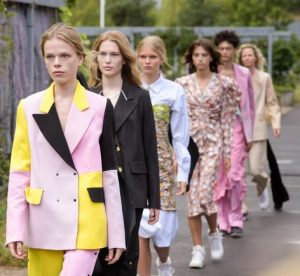
A Rich and Inspiring History Danish fashion dates back to the early 20th century, but it was in the 1960s and 1970s that Denmark began to establish its reputation in the industry. Inspired by Scandinavian design principles—clean lines, neutral colors, and functionality—Danish designers have successfully created fashion that is both stylish and practical.
The minimalist aesthetic, a hallmark of Scandinavian design, has influenced not only architecture and interior decor but also fashion. This movement follows the philosophy of “less is more,” emphasizing simple cuts, soothing color palettes, and a focus on high-quality, durable materials.
Leading Danish Fashion Brands Today, several Danish brands dominate the international fashion scene, seamlessly combining style and ecological responsibility. Some of the most influential names include:
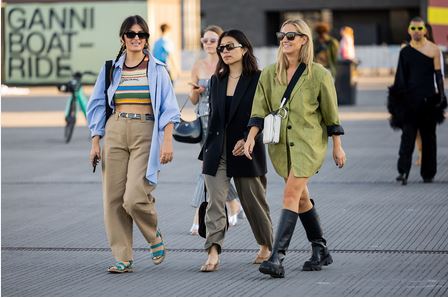
- Ganni: Redefining Minimalism with Bold Colors
Unlike traditional Nordic minimalism, Ganni embraces bold prints, unique silhouettes, and innovative materials. The brand has captured a global audience by breaking conventions while staying true to Scandinavian design principles. - By Malene Birger: Timeless Elegance with a Modern Twist
Known for its sophisticated and timeless approach, By Malene Birger offers refined collections that blend classic styles with contemporary trends. Its commitment to high-quality fabrics and meticulous attention to detail make it a go-to name in accessible luxury fashion. - Samsøe & Samsøe: Versatile and Sustainable Fashion
With a focus on relaxed yet stylish clothing, Samsøe & Samsøe caters to a broad audience. The brand’s commitment to ethical fashion and sustainability aligns with the values of eco-conscious consumers.
- Knowledge Cotton Apparel & Organic Basics: Pioneers of Sustainable Fashion
These brands stand out for their dedication to eco-friendly fashion. By exclusively using organic and recycled materials, they implement transparent production practices and significantly reduce their carbon footprint, shaping the future of the textile industry.
Danish Fashion and Sustainability Denmark is a global leader in sustainability, and this commitment is deeply reflected in its fashion industry. Danish fashion brands prioritize waste reduction, environmentally friendly materials, and circular economy models.
The Danish Fashion Institute, a non-profit organization, plays a crucial role in raising awareness and organizing events like the Copenhagen Fashion Summit, which brings together industry leaders to discuss new eco-friendly initiatives.
The Impact of Copenhagen Fashion Week Held twice a year, Copenhagen Fashion Week has become a key event for designers, buyers, and journalists worldwide. This event is particularly focused on sustainable fashion, enforcing strict ecological and ethical criteria for participating brands. Its goal is to become the most sustainable fashion week in the world.
Innovation and Technology: The Future of Danish Fashion Danish fashion is constantly evolving, embracing the latest technological advancements to redefine design and production processes.
- 3D Printing and Custom Production
3D printing opens new possibilities for customization and waste reduction. This technology allows designers to produce only what is necessary, eliminating overproduction and textile waste. - Digital Fashion and Virtual Clothing
Virtual fashion is emerging as a groundbreaking trend, enabling designers to test concepts without physically producing garments. This approach minimizes environmental impact while offering unlimited creative freedom.
Conclusion Danish fashion, with its blend of minimalist aesthetics, sustainability, and innovation, is setting new standards for the industry. With influential brands, major events like Copenhagen Fashion Week, and the increasing adoption of sustainable technologies, Denmark is well-positioned to shape the future of global fashion.