
 By admin

The Evolution of Greek Fashion: A Harmonious Blend of Tradition and Modernity
Introduction
Greece, a country rich in history, culture, and artistic expression, has long been a source of inspiration for various creative fields, including philosophy, architecture, and mythology. However, its influence on the global fashion industry is equally significant. From the elegantly draped garments of antiquity to the modern-day creations of internationally acclaimed designers, Greek fashion has evolved into a fascinating blend of tradition and innovation.
Today, Greek fashion is characterized by a deep appreciation for heritage, high-quality craftsmanship, and sustainable design, making it a standout in the international fashion landscape. This article explores the historical evolution of Greek fashion, its contemporary industry, its impact on global trends, and the challenges and opportunities shaping its future.
Ancient Greek Influence on Fashion
Greek fashion has its roots in antiquity, where garments were meticulously designed to be both practical and aesthetically pleasing. Some of the most iconic pieces from ancient Greece include:
- Chiton: A tunic-like garment made from linen or wool, worn by both men and women.
- Peplos: A rectangular piece of cloth draped over the body and pinned at the shoulders, often associated with femininity and grace.
- Himation: A heavier cloak worn over the chiton, providing additional warmth and status symbolism.
These ancient garments were defined by their fluid drapery, which emphasized the natural form of the human body. Their influence is still visible in modern haute couture, with fashion houses such as Versace, Dior, and Valentino drawing inspiration from classical Greek aesthetics in their collections.
Furthermore, Greek mythology and art have played a crucial role in shaping fashion aesthetics. The flowing garments of goddesses depicted in ancient sculptures continue to inspire designers worldwide, reinforcing the timeless appeal of Grecian fashion.
The Rise of the Modern Greek Fashion Industry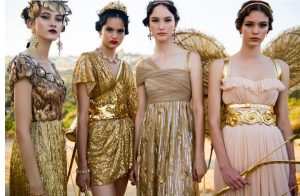
In recent decades, Greece has witnessed a remarkable transformation in its fashion industry. Emerging designers and established brands alike have gained international recognition for their ability to merge traditional craftsmanship with contemporary design. Some of the most influential Greek designers include:
- Mary Katrantzou: Known for her vibrant digital prints and architectural silhouettes, she has captivated global fashion audiences.
- Zeus+Dione: A luxury brand deeply rooted in Greek heritage, focusing on artisanal craftsmanship and sustainable materials.
- Celia Kritharioti: A celebrated couture designer, renowned for her exquisite evening gowns and bridal collections.
Greek designers are distinguished by their meticulous attention to detail, use of high-quality natural fabrics, and a profound connection to Mediterranean culture. This unique blend of old and new has made Greek fashion a desirable choice for luxury consumers worldwide.
Additionally, sustainability has become a defining characteristic of Greek fashion. Many brands are embracing eco-friendly practices, such as using organic fabrics, ethical production methods, and supporting local artisans. This shift aligns with the global movement towards ethical and slow fashion, positioning Greece as a leader in responsible luxury.
Greek Street Style and Everyday Fashion
Greek street style is a harmonious mix of effortless Mediterranean elegance and contemporary European trends. In urban hubs such as Athens and Thessaloniki, fashion-conscious individuals experiment with minimalism and bold statement pieces, reflecting both the country’s historical influences and modern aesthetics.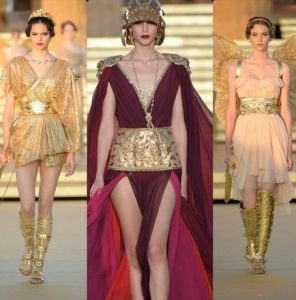
Key elements of Greek street style include:
- Linen and cotton fabrics: Essential for comfort in Greece’s warm climate.
- Neutral and earthy tones: Inspired by the country’s natural landscapes.
- Handcrafted leather sandals: A staple in every wardrobe, reflecting Greece’s artisanal heritage.
- Flowing maxi dresses and tailored suits: Combining comfort with sophistication.
- Oversized sunglasses and straw hats: Adding a touch of glamour while providing sun protection.
Fashion choices in Greece are heavily influenced by the Mediterranean climate, with lightweight, breathable fabrics playing a crucial role in everyday attire. The vibrant island culture also shapes color palettes, with shades of white, blue, and sandy beige dominating Greek fashion aesthetics.
The Role of Fashion in Greek Tourism
Tourism is a significant economic driver for Greece, and its fashion industry benefits greatly from the annual influx of visitors. Popular destinations such as Mykonos, Santorini, and Crete have become hotspots for boutique shopping, offering a diverse range of locally made fashion items.
Greek fashion brands have strategically leveraged the country’s picturesque landscapes and historical landmarks to promote their collections. Fashion campaigns, editorial shoots, and luxury collaborations often take place against the backdrop of ancient ruins, whitewashed island villages, and the shimmering Aegean Sea. This synergy between breathtaking locations and high-end fashion has positioned Greece as a premier destination for fashion tourism.
Additionally, Greek resort wear has gained immense popularity among international tourists, with many seeking bohemian-inspired dresses, handwoven accessories, and elegant swimwear that reflect the relaxed yet chic Mediterranean lifestyle.
Challenges and Opportunities for Greek Fashion
Despite its growth, the Greek fashion industry faces several challenges:
- Economic Uncertainty: Greece’s economic fluctuations have impacted local production costs and consumer spending power.
- Competition from Fast Fashion: Global fast fashion brands pose a challenge to local designers who emphasize artisanal craftsmanship and sustainability.
-

Limited Manufacturing Infrastructure: Compared to major fashion capitals, Greece has fewer large-scale production facilities.
However, the industry also presents significant opportunities:
- E-commerce and Digital Expansion: Many Greek designers are utilizing online platforms to reach a broader global audience. Social media channels like Instagram, TikTok, and Pinterest have become essential tools for showcasing Greek fashion to international consumers.
- Sustainable and Ethical Fashion Movement: As the demand for eco-conscious fashion grows, Greek brands have the chance to establish themselves as leaders in sustainable luxury.
- Cultural Heritage and Storytelling: Brands that incorporate elements of Greek mythology, history, and craftsmanship into their designs can differentiate themselves in the global market.
By capitalizing on these opportunities, Greek fashion has the potential to further solidify its place on the world stage.
Conclusion
Greek fashion is a dynamic blend of historical grandeur, skilled craftsmanship, and modern creativity. From ancient draped garments to contemporary runway collections, Greece continues to inspire designers and fashion enthusiasts worldwide. With a strong emphasis on sustainability, digital expansion, and luxury craftsmanship, the Greek fashion industry is poised for even greater international recognition.
Whether in haute couture or casual streetwear, Greek fashion remains a compelling force that bridges the past and the future, celebrating both tradition and innovation in a timeless way.