
 By admin
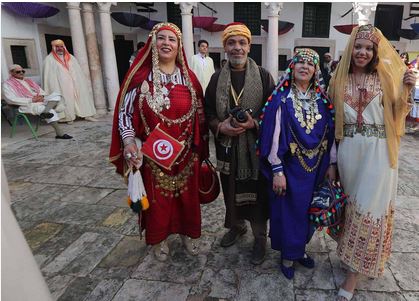
The Fashion Landscape in Tunisia: Between Tradition and Modernity
Introduction
Tunisia, a North African gem, is renowned for its rich historical heritage, diverse culture, and picturesque landscapes. Beyond its appeal as a tourist destination, Tunisia boasts a dynamic fashion industry that seamlessly blends ancestral traditions with contemporary creations. The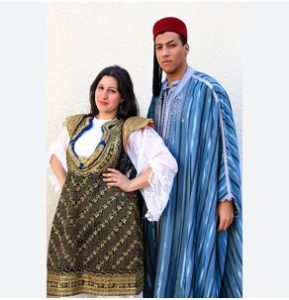 Tunisian fashion scene is rooted in exceptional artisanal craftsmanship while embracing global influences and modern innovations. This article explores the evolution of fashion in Tunisia, highlighting iconic designers, traditional garments, the impact of globalization, and the rise of sustainable fashion.
A Rich and Diverse Clothing Heritage
Tunisia’s sartorial heritage is a result of a fusion of cultures and civilizations that have left their mark over centuries. From the Phoenicians and Romans to the Arabs, Ottomans, and French, each influence has contributed to the unique and diverse Tunisian fashion identity.
Some of the most emblematic pieces of traditional Tunisian attire include:
- Chachia: A red felt cap symbolizing Tunisian identity, commonly worn by men.
- Jebba: A long, flowing tunic adorned with intricate embroidery, traditionally worn by men.
- Safsari: A silk or cotton veil that women use to cover themselves in public.
- Khlij: A beautifully embroidered dress that reflects Tunisia’s exceptional artisanal skills.
While these garments hold deep historical significance, modern Tunisian designers continuously reinterpret them, bridging the past with the present.
The Rise of Renowned Tunisian Designers
Tunisia’s fashion industry is flourishing thanks to a new generation of talented designers who honor traditional craftsmanship while infusing contemporary aesthetics. Some of the most influential figures include:
- Azzedine Alaïa: An internationally acclaimed designer known for his sculptural and sophisticated creations. His work celebrates the finesse of Tunisian craftsmanship on the global stage.
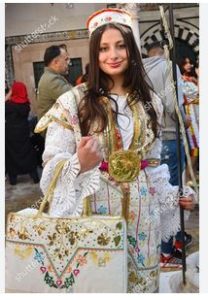
- Sonia Ben Slama: Recognized for modernizing traditional attire by integrating contemporary cuts and innovative fabrics while preserving Tunisia’s cultural essence.
- Khaoula Ben Mansour: A pioneer in sustainable fashion, she emphasizes the use of local textiles and natural dyes in her collections.
The Influence of Fashion Weeks and Industry Events
Fashion events play a crucial role in showcasing Tunisian talent on the international stage. Some of the most notable events include:
- Tunis Fashion Week: An annual event that brings together local and international designers to present their latest collections.
- Tunisian Fashion Association Initiatives: A platform that supports young designers by providing resources and networking opportunities.
These events not only enhance the visibility of Tunisian fashion but also facilitate exchanges with foreign markets, fostering collaboration and innovation.
Globalization: Opportunities and Challenges
Globalization has significantly reshaped Tunisia’s fashion landscape. While it offers local designers exposure through social media and e-commerce, it also presents formidable challenges:
- Competition with Fast Fashion Brands: International retailers in Tunisia offer low-cost collections, making it harder for local designers to compete.
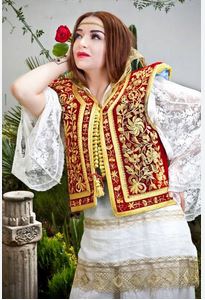
- Promoting “Made in Tunisia”: To counteract this, many Tunisian designers emphasize authenticity, quality, and craftsmanship to differentiate themselves from mass-produced fashion.
The Rise of Ethical and Sustainable Fashion
As environmental consciousness grows worldwide, Tunisia is embracing sustainable fashion practices. Several local brands are adopting eco-friendly initiatives, including:
- Using organic and recycled textiles.
- Implementing natural dyeing techniques and ethical production processes.
- Supporting local artisans to preserve traditional crafts.
Designers like Khaoula Ben Mansour advocate for sustainable fashion, offering ethical alternatives to fast fashion.
Conclusion
Tunisian fashion strikes a delicate balance between tradition and modernity. Driven by passionate artisans, visionary designers, and dynamic local initiatives, the industry is steadily gaining international recognition. Despite the challenges posed by globalization, Tunisian designers are championing authenticity and sustainability, ensuring that the country’s fashion scene continues to flourish.
The Renaissance of Greek Fashion