
 By admin
A Comprehensive Guide to Modern Dance Instruction: Mastering Movement in the Digital Age
Introduction
Dance has always been a profound form of human expression—an art that transcends language, culture, and geography. In today’s fast-paced world, dance has evolved into far more than a performance craft; it has become a multidimensional discipline that enhances physical fitness, sharpens cognitive function, reduces stress, and connects people socially and emotionally. As wellness and self-development trends continue to rise, dance stands out as a joyful and sustainable way to build a healthier and more expressive lifestyle.
However, becoming a confident dancer requires more than enthusiasm—it hinges on choosing the right learning method. With an expanding ecosystem of instructional options ranging from traditional studio training to AI-powered digital platforms, learners often find themselves overwhelmed by choices. Understanding these pathways is essential to selecting the method that best aligns with one’s goals, personality, schedule, and preferred learning style.
This comprehensive guide explores the four most prominent models of dance instruction available today. By examining their structure, advantages, limitations, and ideal use cases, this article will help you make an informed decision and embark on your dance journey with clarity and confidence.
1. Personalized Mastery: The Exclusive Advantage of Private Dance Instruction
Private dance lessons continue to represent the gold standard in dance education—particularly for learners seeking fast, personalized, and high-quality progress. The private instruction model delivers tailored pedagogy, expert technical refinement, and unmatched flexibility.
1.1 Customized Learning Experiences Designed Around You
The most defining advantage of private dance instruction is the undivided attention provided by a dedicated professional. Each session is customized to your:
- current skill level
- learning speed
- preferred dance style
- long-term goals
This bespoke format ensures that the curriculum adapts to your needs rather than forcing you into a generic learning structure. Whether you’re an absolute beginner or an intermediate dancer seeking refinement, private coaching offers the most efficient route to mastery.
1.2 Immediate Technical Feedback and Precision Correction
Poor technique can lead to injuries, inefficiency, and stagnant growth. Private instructors offer:
- instant corrections
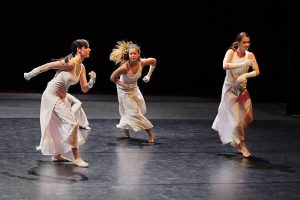
Contemporary dance. - detailed explanations
- targeted adjustments
- continuous technical monitoring
This level of precision is especially critical in styles like ballet, ballroom, contemporary, or Latin dance, where posture, foot placement, timing, and alignment define your long-term progress.
1.3 Tailored Curriculum Built Around Personal Objectives
Private lessons excel at goal-oriented training. Students often book them to:
- prepare for special occasions (e.g., first wedding dances)
- master a specific dance style
- prepare for auditions or competitions
- overcome personal challenges or insecurities
Your instructor can break complex choreographies into manageable progressions, ensuring steady and measurable improvement.
1.4 Evaluating Cost Versus Value
While private lessons generally cost more, the investment is justified by:
- faster progression
- higher-quality technique
- curated learning plans
- personalized motivation
For learners who value efficiency and individualized attention, this model offers the best return on investment.
2. Collective Synergy: The Energy and Structure of Group Dance Classes
Group dance classes provide a socially engaging, structured, and budget-friendly approach to learning. Many students thrive in this interactive environment that emphasizes collaboration, rhythm, and shared growth.
2.1 Structured Programs for Every Skill Level
Professional studios typically offer multi-level pathways such as:
- Absolute Beginner
- Beginner
- Intermediate
- Advanced
- Master Workshops
This ensures that students learn alongside peers with similar skill progression and reduces the intimidation often felt in higher-level classes.
2.2 Motivation Through Community and Shared Progress
One of the most rewarding aspects of group classes is the sense of belonging. Students benefit from:
- practicing with multiple partners
- learning to adapt to different styles
- receiving encouragement from classmates
- celebrating collective achievements
This sense of community often becomes a major reason students stay consistent and engaged long-term.
2.3 Learning Adaptability and Social Dance Etiquette
Many dance genres—like Salsa, Swing, Tango, and Bachata—require students to:
- lead or follow
- navigate crowded dance floors
- dance with multiple partners
- maintain proper etiquette
Group settings naturally cultivate these essential social and spatial skills.
2.4 Affordability and Predictable Scheduling
Because class costs are split among participants, these programs offer:
- lower fees
- recurring class times
- accessible entry points for beginners
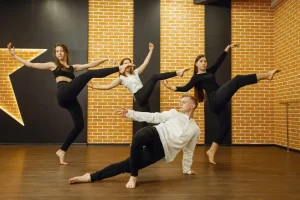
For students who value routine and enjoy the social aspect of dancing, group classes are an excellent fit.
3. Social Foundations: Informal Workshops and Community-Based Dance Learning
Informal dance workshops—often hosted at community centers, nightclubs, or before social dance events—provide a low-pressure and enjoyable introduction to dance.
3.1 Accessible and Beginner-Friendly
These sessions require:
- no prior experience
- no registration
- no need for a partner
They focus on simple steps, basic rhythm, and introductory movement, making them perfect for hesitant beginners or those curious about trying something new.
3.2 A Practical Primer for Social Dancing
These workshops often focus on one specific style such as:
- Bachata
- Salsa
- Kizomba
- Swing
- Zouk
Participants learn enough basics to comfortably join the social dance floor without feeling intimidated.
3.3 Understanding the Limitations of Informal Learning
While highly enjoyable, informal workshops are not ideal for those seeking:
- advanced technique
- structured progression
- detailed feedback
- long-term mastery
Their purpose is exposure—not technical excellence.
3.4 Best for Social Explorers and Casual Learners
This method is ideal for:
- people exploring dance for fun
- those wanting to socialize
- dancers sampling new styles before committing
- individuals seeking a new weekend activity
These workshops excel at boosting confidence, breaking social barriers, and encouraging movement without pressure.
4. Digital Autonomy: On-Demand and Interactive Video Instruction in the Modern Era
Digital learning has revolutionized dance education. With platforms like YouTube, specialized apps, streaming services, and AI-powered tools, dancers now have access to world-class instruction anytime, anywhere.
4.1 Learn at Your Own Pace with Maximum Convenience
Digital instruction allows learners to: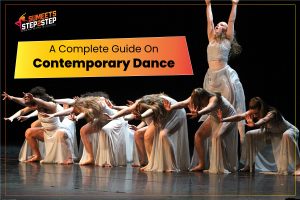
- rewind and rewatch steps
- practice privately
- learn at any hour
- study from global instructors
This flexibility makes it ideal for busy individuals, shy beginners, or those who prefer learning independently.
4.2 Massive Libraries of Styles and Expert Instructors
Online platforms offer tutorials in nearly every genre, including:
- Ballet
- Hip-hop
- Jazz
- Contemporary
- Ballroom
- Latin
- Afro
- Bollywood
- Heels
- Breakdance
This variety is unattainable in most local studios, making digital learning an unparalleled gateway into global dance culture.
4.3 Interactive Technology Is Closing the Feedback Gap
Traditionally, online learning lacked real-time correction. Today, innovations include:
- AI-driven posture and movement analysis
- motion tracking
- live-stream classes
- feedback-based video submissions
- community discussion forums
These tools greatly enhance self-directed learning and approximate the feel of in-person instruction.
4.4 Combining Digital Learning with Live Classes for Optimal Growth
The most successful dancers often blend approaches:
- use videos for practice and repetition
- attend occasional workshops for correction
- schedule private lessons for technique refinement
Digital learning becomes a powerful supplement rather than a standalone path.
Conclusion
The journey to becoming a skilled dancer is deeply personal and uniquely shaped by your goals, lifestyle, and learning preferences. The modern world offers an array of dance education models—each with distinctive strengths. Whether you prefer the individualized precision of private lessons, the motivating environment of group classes, the casual fun of social workshops, or the flexibility of digital learning, the key to progress lies in intentional selection and consistency.
Choose the method that resonates with your ambitions—technical mastery, social connection, creative expression, or personal wellness. Dance is not merely about memorizing steps; it is about discovering your unique rhythm, building confidence, and nurturing a healthier body and mind.
The dance floor is ready. Step forward with purpose, and let movement become your path to vitality, creativity, and joy.